A New Doctrine of Defiance: Iran’s Asymmetric Turn and the Fragility of American Logistics

Recent reports suggest a major escalation in the Middle East, with Iran allegedly striking 85 U.S. facilities and downing an MQ-9 Reaper. This shift signals a new Iranian strategy focused on crippling American logistical and energy infrastructure rather than direct personnel engagement.

Share
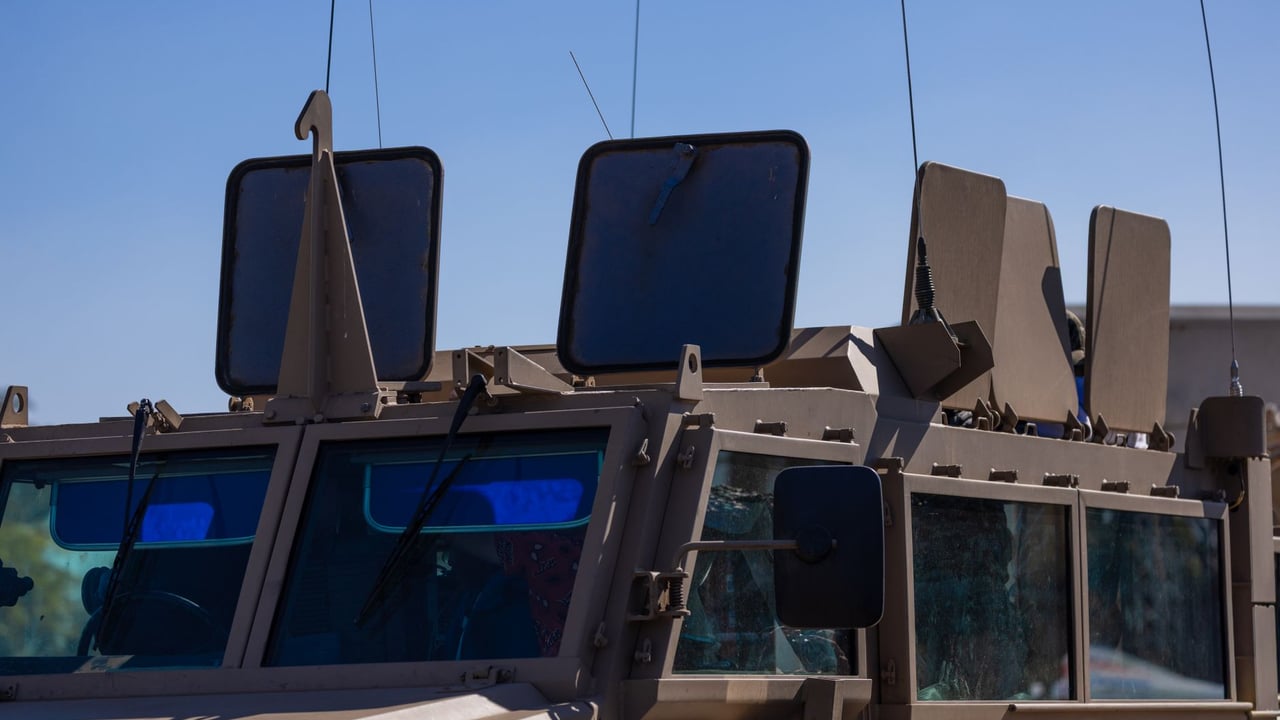
Close-up of military vehicle showing armored details under a clear sky.

Key Takeaways

  • 1Iran reportedly launched a large-scale retaliatory strike against 85 U.S. military targets in Bahrain and Kuwait.
  • 2A U.S. MQ-9 Reaper drone was allegedly shot down, highlighting Iran's growing air defense and electronic warfare capabilities.
  • 3Tehran has shifted its tactical focus toward 'infrastructure-led' asymmetric warfare, targeting logistics, power, and fuel systems.
  • 4The conflict underscores the success of Iran's domestic military industrial complex under long-term international sanctions.
  • 5Regional allies of the U.S. are showing increased hesitation to intervene, suggesting a shift in the Middle Eastern security architecture.

Editor's
Desk

Strategic Analysis

This development reflects a significant maturation of Iranian military thought, moving from reactive skirmishing to a 'total systems' approach to asymmetric conflict. By prioritizing the destruction of logistical and energy nodes, Tehran is exploiting the primary vulnerability of the U.S. expeditionary model: its extreme reliance on complex, fragile supply chains and host-nation infrastructure. This narrative, prevalent in Chinese strategic circles, views the Middle East not just as a theater of war, but as a laboratory for the decline of Western conventional dominance. If these reports of infrastructure paralysis hold true, it suggests that the era of uncontested American logistical freedom in the Gulf is effectively over, forcing a radical reassessment of how the U.S. projects power in contested environments.

China Daily Brief Editorial
Strategic Insight
China Daily Brief

The delicate state of tension between Washington and Tehran has reportedly fractured following a series of high-stakes military exchanges in the Persian Gulf. Allegations have surfaced regarding a massive Iranian counter-strike targeting 85 U.S. military installations across Bahrain and Kuwait, including critical hubs such as the U.S. Fifth Fleet headquarters. This escalation followed a purported American air raid on Iranian provinces, marking a sharp departure from the 'strategic patience' that has characterized recent regional dynamics.

Central to this shift is the reported downing of a U.S. MQ-9 Reaper drone over Bushehr province, an event that serves as a potent symbol of Tehran’s evolving anti-access/area-denial (A2/AD) capabilities. Unlike previous skirmishes that focused on direct kinetic engagement with personnel, this latest Iranian response suggests a sophisticated pivot toward infrastructure warfare. By targeting power grids and logistical arteries, Tehran aims to paralyze American operational capacity without the necessity of a large-scale conventional victory.

This strategic evolution is largely a byproduct of the 'maximum pressure' campaign initiated by the U.S. withdrawal from the JCPOA in 2018. Rather than collapsing under the weight of sanctions, Iran appears to have achieved a degree of military self-sufficiency, particularly in drone and missile technology. The proliferation of systems like the Shahed-136 has provided Tehran with a low-cost, high-impact toolset that challenges the high-tech, high-cost dominance traditionally enjoyed by Western forces.

The broader geopolitical implications point to a waning American hegemony in the Middle East. With the U.S. military footprint more dispersed and regional allies like Saudi Arabia and Israel adopting a cautious, 'wait-and-see' posture, the deterrent value of the American presence is being tested. As the threshold for direct conflict lowers, the focus of the rivalry is moving toward information dominance and the vulnerability of the support systems that sustain modern military power.

Related Articles

📰
No related articles found