
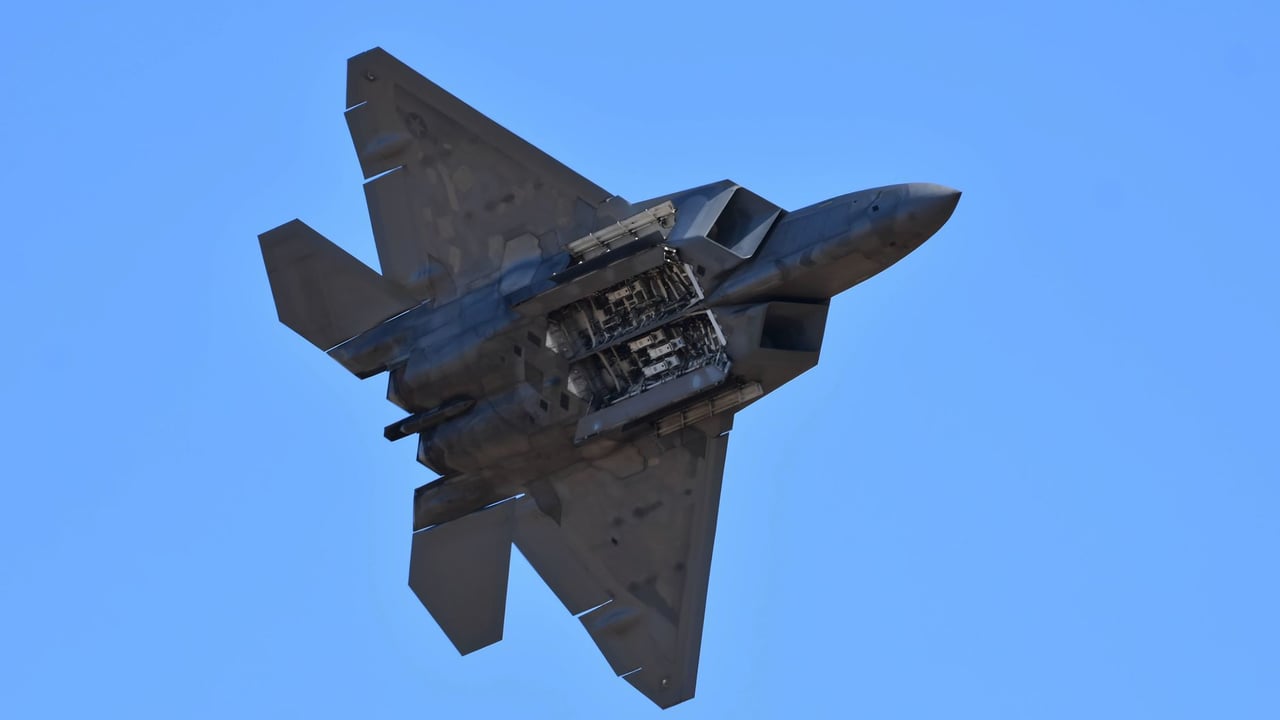

For years, Western analysts dismissed China’s Chengdu J-20 "Mighty Dragon" as a collection of compromises, targeting its engines and stealth profile. However, with the fleet reportedly surpassing 500 units and growing by over 100 aircraft annually, the discourse has fundamentally shifted. The sheer scale of production has forced a pivot from questioning the machine to questioning the man behind the stick.
This transition in Western skepticism reflects a quiet admission of China's technological maturation. Issues that once plagued early variants, such as the push for the indigenous WS-15 engine and advanced avionics, appear to be resolved or nearing parity with Western equivalents. As the J-20 fleet eclipses the U.S. Air Force’s F-22 inventory in sheer numbers, the "human factor" has become the primary metric of military readiness.
Critics now argue that China’s rapid hardware expansion will inevitably outpace its ability to train high-caliber pilots. The complexity of fifth-generation aerial combat—which emphasizes sensor fusion and information management over traditional dogfighting—requires years of specialized training. Western observers suggest this bottleneck could neutralize the numerical advantage China is building in the Pacific.
Beijing is countering this narrative by leveraging its vast pool of experienced aviators and streamlining the transition process. Modern flight control systems and intuitive human-machine interfaces in fifth-generation jets actually lower the physical workload compared to older airframes. By rotating veteran pilots from older squadrons into J-20 seats, the People’s Liberation Army Air Force (PLAAF) is rapidly building a core of elite operators.
Perhaps the most significant development is the introduction of the twin-seat J-20 variant, the first of its kind for a stealth fighter. This allows for a "dual-man" training scheme where instructors can mentor students in complex combat scenarios in real-time. This innovation suggests that China is not merely following Western training models but is actively redesigning them to accelerate pilot proficiency.
Ultimately, the "pilot gap" may be a temporary hurdle rather than a structural failure. While Western air forces struggle with pilot retention and diminishing flight hours, the PLAAF is in the midst of a massive institutional overhaul. The winner of the air superiority race in the 21st century will not just be the nation with the most advanced sensors, but the one that best integrates its human intelligence with digital systems.