

In the first half of 2026, the Chinese Renminbi achieved a rare feat of financial defiance. While the U.S. Dollar Index climbed nearly 3%, the yuan bucked the historical trend of inverse correlation, appreciating from 6.98 to 6.79 against the greenback. This 'dual-strong' phenomenon signaled a decoupling from traditional dollar-centric gravity, fueled by a surge in Chinese exports and a relative easing of trade tensions.
The drivers behind this performance were rooted in high-octane manufacturing. Between January and May, China’s export value jumped 15.5%, supported by a global boom in artificial intelligence infrastructure and a resilient domestic supply chain. This robust trade surplus created a structural floor for the currency, even as central banks elsewhere struggled to contain the dollar's dominance.
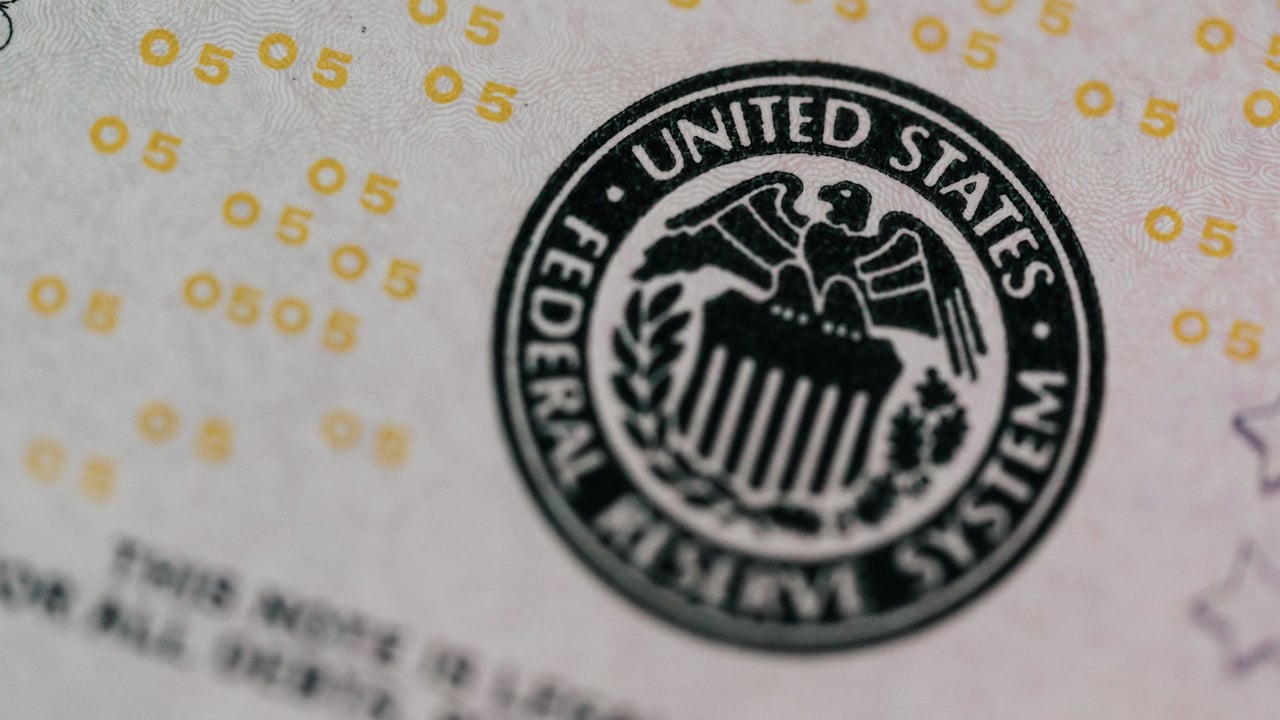
However, the tide is beginning to turn as the second half of 2026 approaches. Analysts are warning that the era of unilateral appreciation is likely over, giving way to a period of multi-dimensional volatility. The emergence of a more hawkish Federal Reserve, led by its new leadership, has repositioned the dollar as a formidable adversary once more, with markets now pricing in potential rate hikes that could further widen the interest rate gap between Beijing and Washington.
Domestically, the tailwinds are also shifting. While a massive backlog of roughly $400 billion in corporate dollar holdings remains a source of latent support, the pace of foreign exchange settlement is slowing. Furthermore, the ‘going global’ trend among Chinese enterprises has led to sustained capital outflows under the direct investment account, as firms seek to diversify their footprints amidst a shifting global geopolitical landscape.
Despite these headwinds, few expect a freefall. China’s current account surplus remains a formidable stabilizer, and the increasing use of the yuan in international settlements provides a buffer against external shocks. The second half of 2026 will likely be defined by a 'two-way' fluctuation, where the renminbi finds a new equilibrium between 6.70 and 7.10, reflecting a maturing market that is no longer a mere passenger to the dollar's movements.