From Syringes to Silicon: Wuzhou Medical’s High-Stakes Pivot into Semiconductors

Wuzhou Medical, a Chinese medical supply manufacturer facing three years of declining profits, has announced plans to acquire semiconductor firm Xuanzhi Electronic Technology. This cross-sector acquisition represents a high-risk attempt to pivot from low-margin medical disposables into the high-tech chip industry.

Share
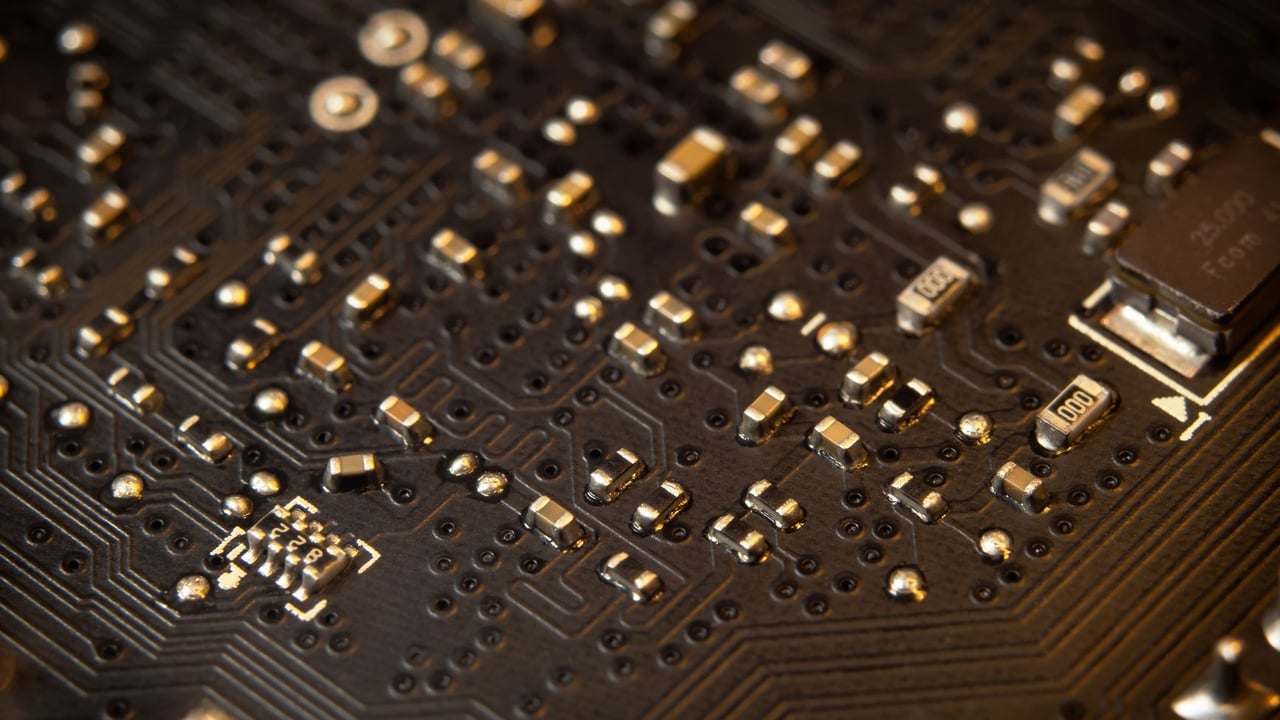
Detailed view of a circuit board showing various electronic components and traces.

Key Takeaways

  • 1Wuzhou Medical (301234.SZ) has suspended trading to facilitate the acquisition of Shanghai-based Xuanzhi Electronic Technology.
  • 2The company reported three consecutive years of declining revenue and profit, with 2025 net profit dropping 52.73% year-on-year.
  • 3The target company, Xuanzhi, focuses on integrated circuit (IC) design and technical services, a sector far removed from Wuzhou's core medical business.
  • 4The acquisition is viewed as a 'cross-sector' gamble to overcome industrial growth bottlenecks and declining product prices.
  • 5Wuzhou expects to disclose the full transaction details and resume trading by July 22, 2026.

Editor's
Desk

Strategic Analysis

Wuzhou Medical’s pivot is a classic symptom of the industrial identity crises currently facing many of China’s small-cap, traditional manufacturers. For a syringe producer to absorb a semiconductor designer is not merely diversification; it is an admission that its primary market has reached a terminal ceiling. While Beijing’s push for semiconductor self-sufficiency makes the sector a magnet for capital, these 'shotgun weddings' between unrelated industries often struggle with integration. Without inherent R&D synergy, Wuzhou risks misallocating what remains of its capital on a business it does not fundamentally understand. This case serves as a broader warning for investors regarding 'concept-chasing' in the A-share market, where high-tech pivots are frequently used to mask deteriorating fundamentals rather than to build genuine technological competitive advantages.

China Daily Brief Editorial
Strategic Insight
China Daily Brief

Wuzhou Medical, a prominent player in China’s sterile medical supply chain, is attempting a radical corporate transformation to arrest a multi-year financial decline. The company, known primarily for manufacturing syringes and diagnostic disposables, has announced a suspension of trading on the Shenzhen Stock Exchange as it prepares to acquire Xuanzhi Electronic Technology, a Shanghai-based integrated circuit designer. This move represents a dramatic leap from the low-margin world of plastic medical supplies into the high-capital, high-tech semiconductor industry.

The strategic shift comes on the heels of a grueling three-year period for Wuzhou Medical. Between 2023 and 2025, the firm witnessed a steady erosion of its market position, with net profits for 2025 plunging by over 50%. Management attributed this decline to intensified market competition, shifting demand, and unfavorable exchange rate fluctuations that exacerbated financial losses. By seeking to acquire a semiconductor firm, Wuzhou is clearly signaling its intent to exit its stagnation through a total reinvention of its business model.

The target of the acquisition, Xuanzhi Electronic Technology, has been active since 2014, specializing in technical development and the sale of integrated circuits. While the medical firm hopes this acquisition will provide a new engine for growth, the move highlights a recurring and controversial trend in the Chinese A-share market. Struggling traditional manufacturers often attempt to pivot into high-growth, state-supported sectors to boost valuations, even when industrial synergies are virtually non-existent.

Market observers remain cautious, as the integration of a chip design firm into a medical device manufacturer presents significant operational hurdles. The two industries operate on entirely different research and development cycles, talent requirements, and regulatory frameworks. Wuzhou Medical has promised to disclose full details of the transaction by late July 2026, a deadline that will determine whether this pivot is a genuine strategic evolution or a desperate attempt to stay relevant in a tightening economic environment.

Related Articles

📰
No related articles found