
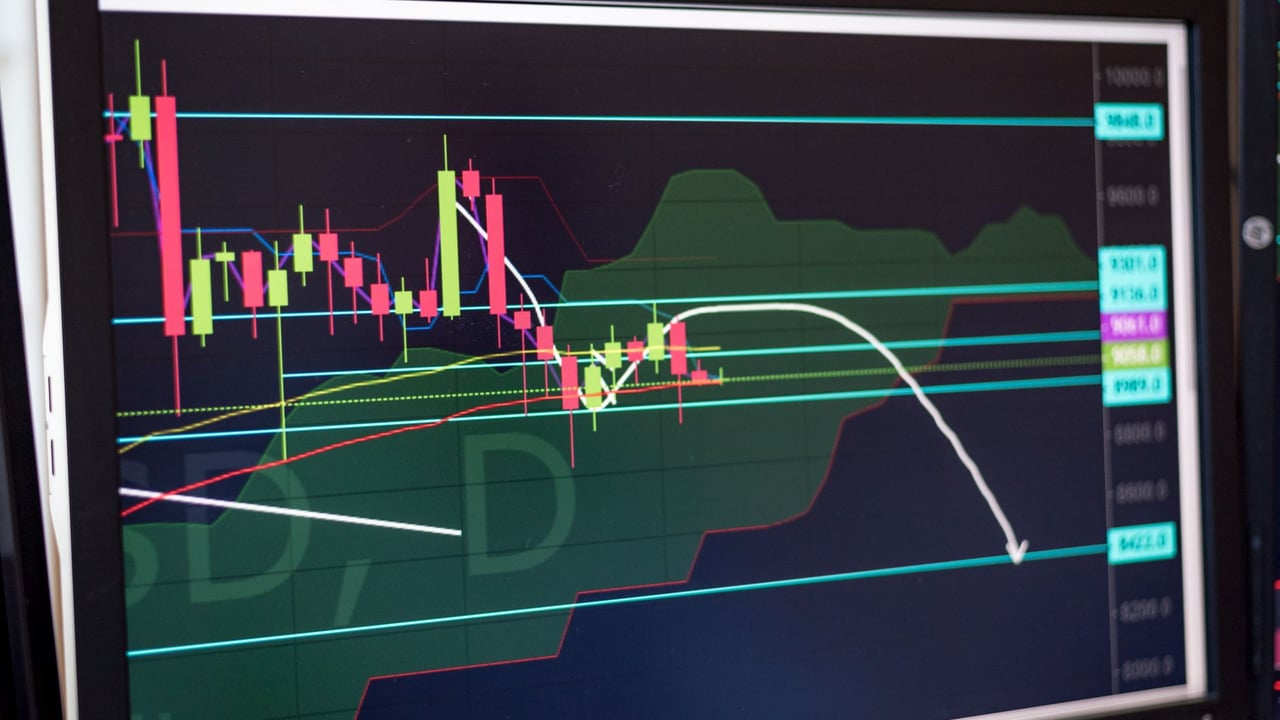

The transition from a global leading bull market to a technical bear market can be jarringly swift. In a single week of July 2026, the South Korean KOSPI index plummeted over 5%, a stark reversal for a market that had previously boasted triple-digit gains within the year. Technical analysts note that the index has now dropped 20% from its June highs, signaling a volatile shift that has triggered numerous circuit breakers and sent shockwaves through international trading floors.
This volatility is not an isolated event but serves as a bellwether for the global artificial intelligence (AI) trade. As the KOSPI buckled, major American AI bellwethers including Nvidia and the 'Magnificent Seven' collective began a period of cooling and adjustment. This synchronicity highlights how deeply the 'AI fever' has integrated global markets, where South Korea’s semiconductor-heavy index acts as a high-stakes proxy for the world’s appetite for tech innovation.
In China, the market narrative has become one of 'extreme divergence' rather than a uniform crash. While the broader indices show resilience, the internal split is profound; high-tech sectors like optical modules and storage chips have seen near-doubling returns, while traditional consumption and manufacturing sectors have languished. This 'two-speed' market reflects a structural transformation where capital is aggressively chasing AI growth while withdrawing liquidity from legacy industries.
Despite the recent turbulence, financial experts suggest the core logic of the bull market remains intact. They point to high AI demand, global liquidity easing, and the massive migration of Chinese household savings into equity markets as foundational supports. However, the nature of the rally is shifting from broad-based speculation to a more calculated focus on 'HALO' assets—infrastructure components like power grids and rare earths that support the AI ecosystem.
As the second half of 2026 begins, the era of 'easy gains' in the tech sector appears to be over. Professional advisors are increasingly recommending a defensive posture, suggesting that while the bull market lives on, the risk of mid-term adjustments remains high. Investors are being cautioned to avoid aggressive leverage and instead look for 'valuation recovery' in overlooked sectors that show clear earnings improvements following the recent purge.