
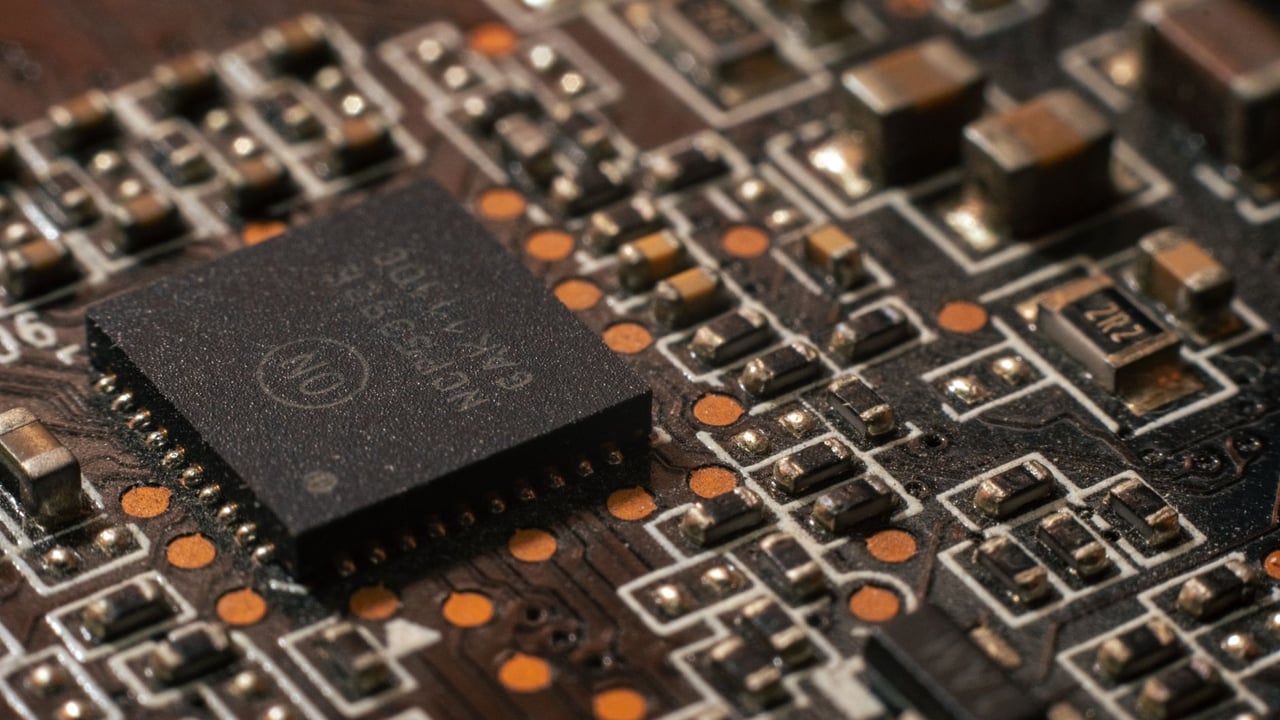

Meta Platforms is aggressively accelerating its pivot toward hardware autonomy, with plans to begin production of its proprietary ‘Iris’ AI chips this September. The move signals a critical shift in Mark Zuckerberg’s strategy to insulate the social media giant from the volatile semiconductor market and reduce its heavy reliance on external vendors like Nvidia. Internal memos reveal that Meta intends to double its total computing capacity to 14 gigawatts by next year, a staggering leap from the 7 gigawatts currently deployed in its infrastructure.
To facilitate this massive expansion, Meta has secured a series of long-term, multi-year supply agreements with key global hardware players. These include high-stakes memory chip deals with Samsung Electronics, flash storage partnerships with SanDisk, and optical fiber equipment contracts with Sumitomo Electric. These alliances underscore the complexity of Meta’s mission: it is not merely designing a processor but building a vertically integrated ecosystem capable of sustaining the next generation of generative AI and metaverse applications.
The strategic timing of the Iris rollout suggests Meta is preparing for a sustained ‘arms race’ in computing power. By doubling its capacity within twelve months, the company is positioning itself to handle increasingly complex Large Language Models (LLMs) and real-time AI processing at a scale few other tech titans can match. This infrastructure surge represents one of the most capital-intensive phases in the company’s history, reflecting a firm belief that proprietary silicon is the only way to achieve long-term cost efficiency and performance optimization.
Market reactions to the news have been polarized. While Meta’s stock saw a slight pre-market dip of 1.5% as investors weighed the immense capital expenditure involved, its suppliers have reaped immediate rewards. SanDisk, in particular, saw its shares jump by 4% in early trading, highlighting how Big Tech’s move toward custom silicon is reshaping the fortunes of the broader semiconductor supply chain. As the September production date approaches, the industry will be watching to see if Iris can truly challenge the status quo of general-purpose AI hardware.