
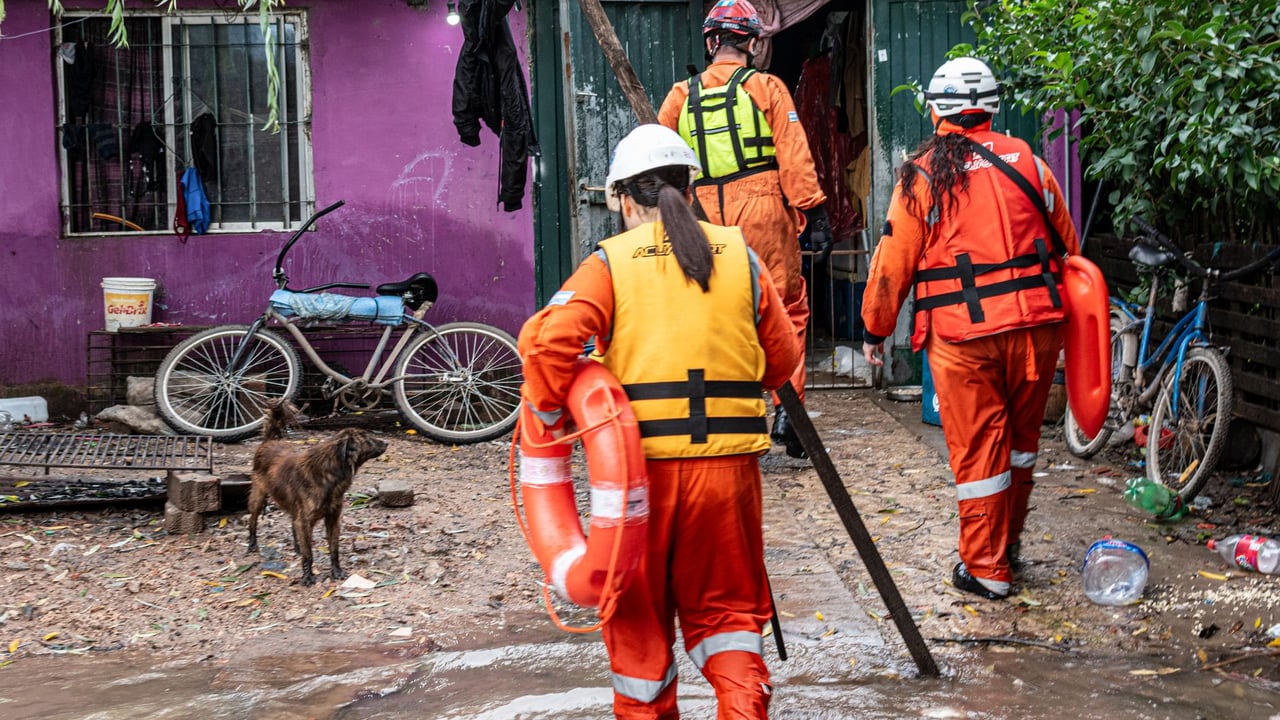

In the summer of 2026, as record-breaking floods continue to reshape the landscape of central China, a massive, specialized vessel dubbed the 'Rescue Aircraft Carrier' has become the focal point of state-led relief efforts. When the imposing craft navigated through the submerged streets of a trapped university campus this week, the reaction from stranded students was one of visceral relief. The sight of the vessel—a modular, high-capacity amphibious platform—marked a dramatic shift from the rubber dinghies and manual labor that traditionally defined flood response in the region.
This deployment is more than just a tactical success; it is a demonstration of China’s massive investment in 'emergency industry' infrastructure. As climate change intensifies the frequency and severity of urban flooding, Beijing has pivoted toward large-scale, technologically sophisticated hardware to manage crisis scenarios. The vessel acts as a mobile command center, equipped with medical facilities, power generation, and enough buoyancy to navigate shallow, debris-strewn urban environments that would ground traditional ships.
For the students trapped within their dormitories, the arrival of such a specialized craft represents the tangible reach of the state. The scale of the equipment provides a sense of security that smaller-scale interventions often fail to project. In the broader geopolitical context, these 'rescue carriers' serve as a domestic showcase of engineering prowess, signaling to a concerned public that the central government is prepared for the volatile weather patterns of the late 2020s.
The logistical feat of moving such a large vessel into a landlocked campus also highlights the integration of China’s military and civilian emergency responses. By utilizing modular construction techniques derived from naval architecture, these platforms can be rapidly assembled and deployed across flooded provinces. This capability suggests that China is building a standardized, industrial-scale response to natural disasters that treats flood zones as semi-maritime theaters of operation.