
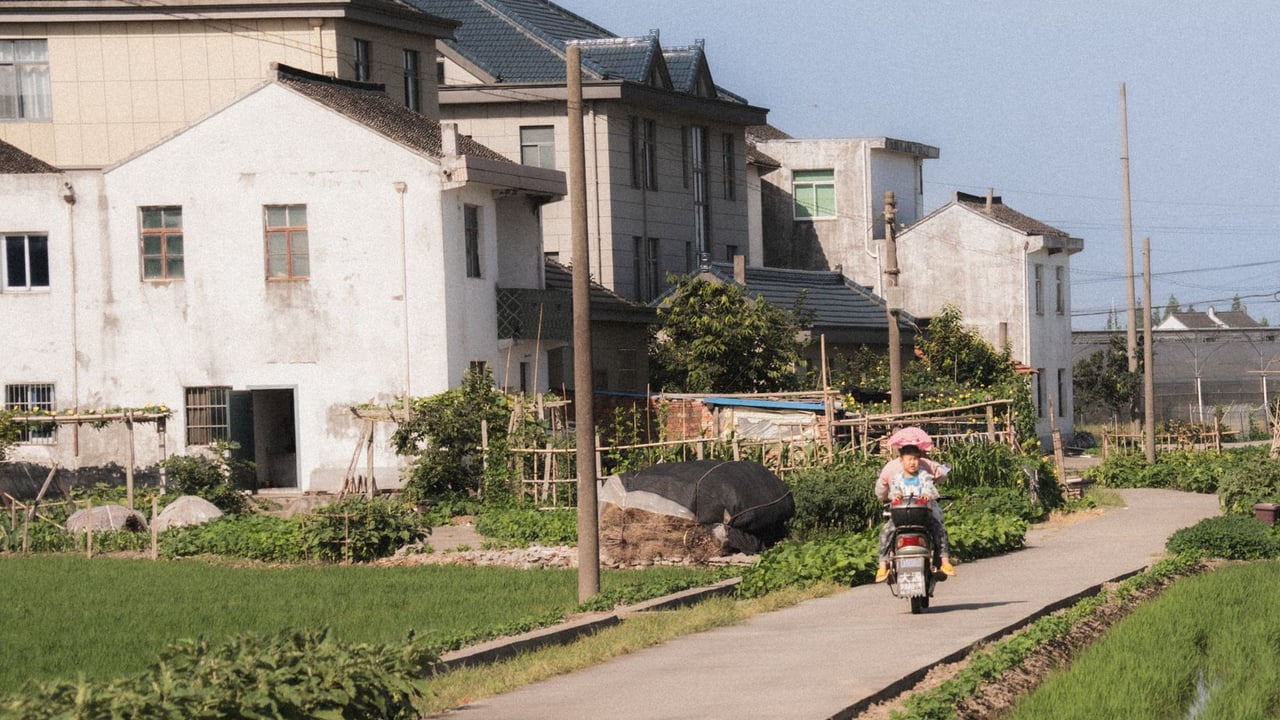

Deep in the verdant mountains of Guizhou’s Qiandongnan Miao and Dong Autonomous Prefecture, the village of Jiasuo is undergoing a transformation that blends revolutionary nostalgia with modern economic strategy. This remote settlement in Liping County has become a focal point for Beijing’s 'Red Village' initiative, a program designed to leverage Communist Party history as a driver for contemporary rural development. By weaving historical narratives into the fabric of daily life, local officials are attempting to solve the dual challenge of ideological continuity and economic stagnation.
The historical weight of Jiasuo dates back to December 1934, when the Central Red Army occupied the village during the seminal Long March. During their brief stay, soldiers reportedly integrated with the local population, repairing wells and providing medical aid to the impoverished peasantry. Today, these interactions are memorialized through physical landmarks like the 'Red Army Well' and the 'Red Army Trail.' These sites serve not only as tourist attractions but as the foundational myths for the village's identity, reinforcing the 'fish and water' bond between the Party and the people.
To ensure the longevity of this legacy, Jiasuo has integrated revolutionary history with the cultural traditions of the Dong ethnic minority. The 'Jiasuo Red Weekend Song Party' has become a staple event, where historical stories are adapted into traditional Dong-language songs. By aligning the 'Long March Spirit' with local festivals like the Dong New Year, the state effectively indigenizes its political narrative, making the Party’s historical struggles inseparable from the ethnic cultural identity of the region.
Beyond ideology, the village is pivoting toward a diversified economic model that moves past mere subsistence. Utilizing its unique terrain, Jiasuo has established collective enterprises in cattle breeding and tea cultivation, supported by state-led rural revitalization funds. This 'Red Tourism' framework aims to create a self-sustaining cycle where political heritage draws visitors, and the resulting revenue funds infrastructure and industrial upgrades. As the village’s collective economy grows, Jiasuo stands as a localized blueprint for China’s broader national effort to revitalize its interior through a mixture of cultural pride and directed investment.