

At the conclusion of a high-stakes NATO summit, Turkish President Recep Tayyip Erdoğan issued a blunt dismissal of growing opposition from Israel and Greece regarding Turkey's potential acquisition of U.S.-made F-35 stealth fighters. The Turkish leader characterized the objections raised by Israeli Prime Minister Benjamin Netanyahu and Greek Prime Minister Kyriakos Mitsotakis as having "no place in his world," signaling Ankara's unwavering commitment to modernizing its aerial capabilities.
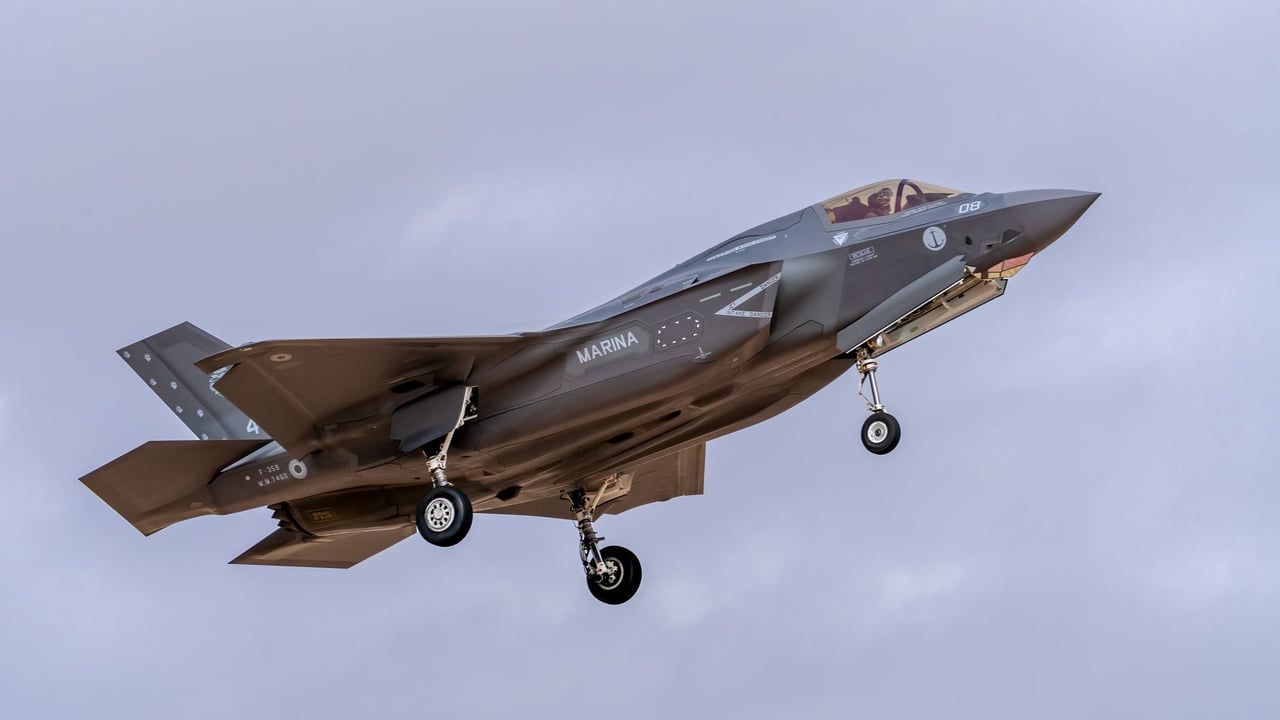
The diplomatic friction centers on the Lockheed Martin F-35, a platform that represents the pinnacle of modern air power and a critical instrument of regional influence. Israeli officials have recently stepped up their lobbying efforts in Washington, arguing that equipping Turkey with these advanced jets and compatible engines for its domestic stealth program would erode Israel's qualitative military edge in the Middle East. This pushback reflects the deep freeze in bilateral relations following the 2023 outbreak of the Israel-Hamas conflict and Turkey’s subsequent vocal support for international legal action against the Israeli leadership.
Simultaneously, Greece maintains its own historical anxieties regarding the military balance in the Aegean Sea. Athens fears that a re-equipped Turkish Air Force could disrupt the delicate status quo between the two NATO allies, who remain at odds over territorial waters, ethnic minorities, and migration routes. Despite their shared membership in the North Atlantic alliance, the three-way tension illustrates how defense procurement often exacerbates latent regional rivalries.
Ankara’s Foreign Ministry has further escalated the rhetoric, accusing Israeli officials of orchestrating a "premeditated disinformation campaign" to block the sale. By calling on Israel to adopt a more constructive peace policy, Turkey is framing its defense needs as a sovereign right and a necessity for NATO’s collective security rather than a threat to its neighbors. The outcome of this procurement saga will likely serve as a litmus test for Washington’s ability to balance the conflicting demands of its most strategic, yet increasingly fractious, partners.