

South Korea’s financial regulators are racing to douse a fire they once stoked, as the KOSPI index experiences a dizzying descent into bear market territory. Just months after being hailed as the darling of the global artificial intelligence boom, the Seoul bourse is now grappling with its sixth circuit breaker of the year. Government officials have been forced into emergency meetings to monitor market volatility, with a specific focus on the dangerous concentration of capital in the semiconductor sector and the proliferation of high-risk financial products.
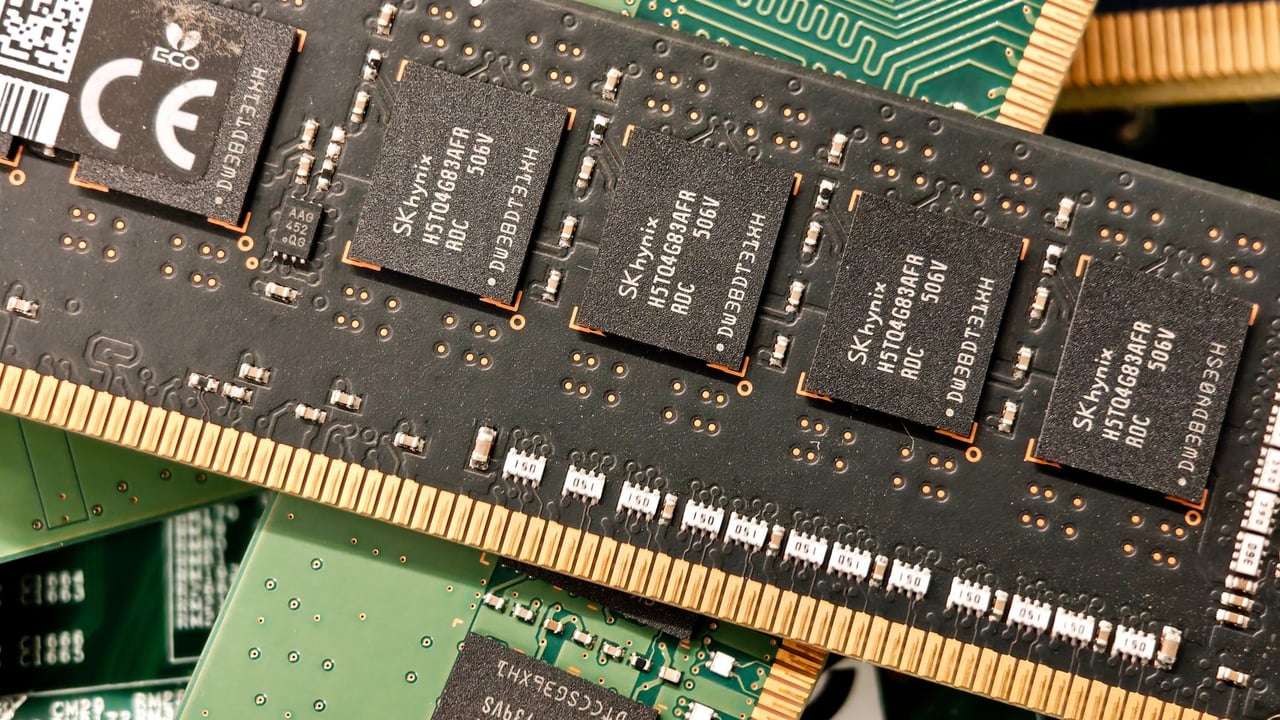
The rally that propelled the KOSPI to record highs in June was almost entirely built on the backs of two giants: Samsung Electronics and SK Hynix. These semiconductor titans now account for a staggering 57% of the index’s total market value, creating a precarious dependency that leaves the entire national market vulnerable to any shift in global tech sentiment. While international capital initially flooded in to capture the AI upside, the resulting market structure has become so lopsided that analysts describe the current environment as a fragile glass tower rather than a robust recovery.
Beneath the surface of this corporate concentration lies a more visceral social desperation. In a country where traditional paths to social mobility are increasingly seen as closed, retail investors are treating the stock market like a financial escape hatch. Stories of ordinary workers achieving 'wealth freedom' through concentrated bets on chip stocks have gone viral, fueling a FOMO-driven mania. This cultural shift has turned the KOSPI into what local critics and international observers alike are calling a 'casino,' where the stakes are no longer about dividends but survival.
The introduction of single-stock leveraged ETFs has acted as an accelerant to this fire. Since their debut in late May, these products have seen trading volumes soar into the hundreds of trillions of won, allowing small-time investors to place outsized bets on individual tech stocks. When the market turns, these leveraged positions trigger a cascade of forced liquidations, amplifying downward pressure and turning a standard correction into a rout. Regulators are now considering delisting these volatile instruments to prevent a systemic collapse of household finances.
Ultimately, South Korea is facing a reckoning over its economic identity. For years, the 'Korea Discount'—the undervaluation of local firms due to poor governance—was the primary concern for the government’s 'Value-up Program.' However, the current crisis suggests that the market has merely traded one problem for another. By swapping chronic undervaluation for a hyper-concentrated, leverage-fueled AI bubble, South Korea has entered a reality-TV-style gamble where the price of being wrong is total exclusion from the nation’s dwindling wealth-building opportunities.