
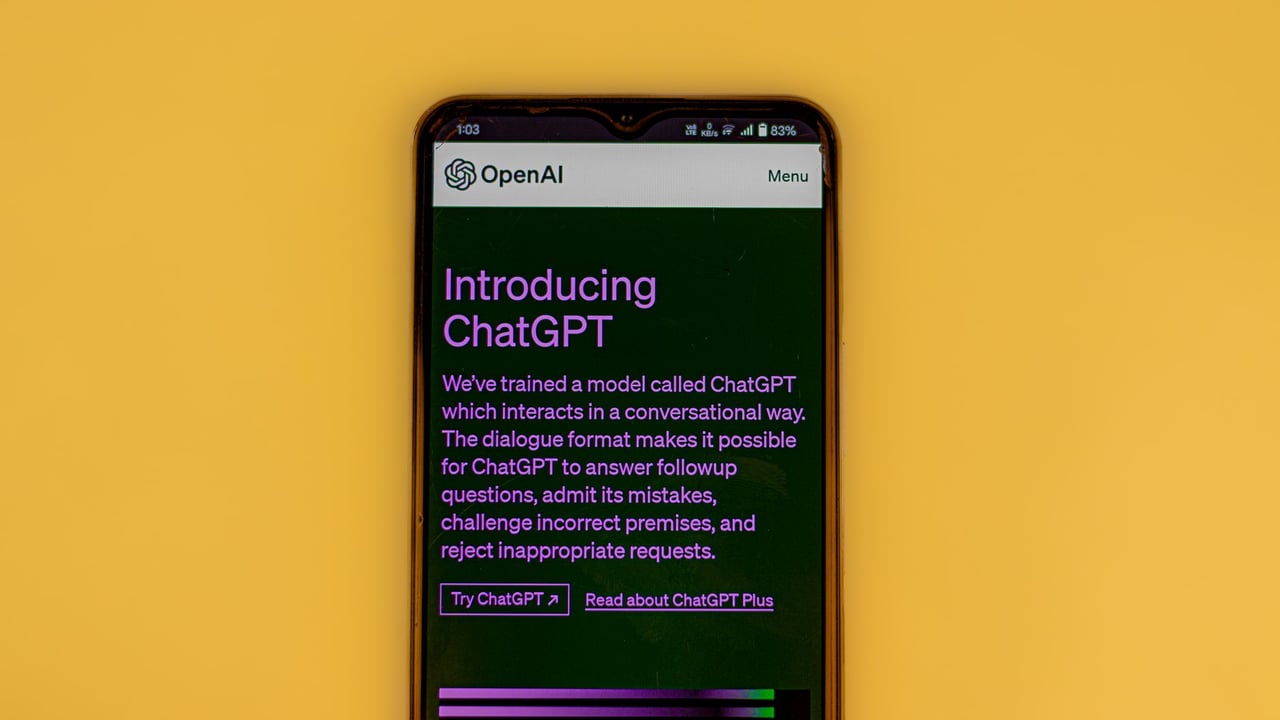

OpenAI has officially launched 'ChatGPT Work,' a new desktop ecosystem powered by the GPT-5.6 model series. This release signifies a strategic pivot for the San Francisco-based AI giant, moving away from standalone conversational interfaces toward an all-in-one professional workspace. By integrating its core chat capabilities with the Codex programming engine and a suite of creation tools, OpenAI is positioning itself as a direct competitor to traditional office software giants.
The new 'ChatGPT Work' application is specifically designed to handle complex office tasks, allowing users to generate documents, spreadsheets, and presentations through natural language prompts. Beyond simple content generation, the integration of Codex enables the platform to build functional web applications within the work environment. This convergence of logic, design, and execution suggests that the future of white-collar productivity may rely less on manual software navigation and more on high-level AI orchestration.
The rollout strategy reflects a tiered approach to enterprise adoption, with professional, corporate, and educational users receiving priority access to the web and mobile versions. Plus and Business subscribers are expected to gain access shortly thereafter. This targeted release highlights OpenAI’s intent to solidify its footprint in the high-value enterprise market, where reliability and sophisticated utility are paramount.
As the industry eyes the leap to GPT-6, the introduction of the GPT-5.6 'frontier model' series serves as a crucial bridge. It offers a more refined, efficient version of the intelligence that defined its predecessors while introducing the multidisciplinary capabilities needed for professional environments. By embedding AI into the very fabric of document and application creation, OpenAI is attempting to redefine the standard for the modern digital workspace.