
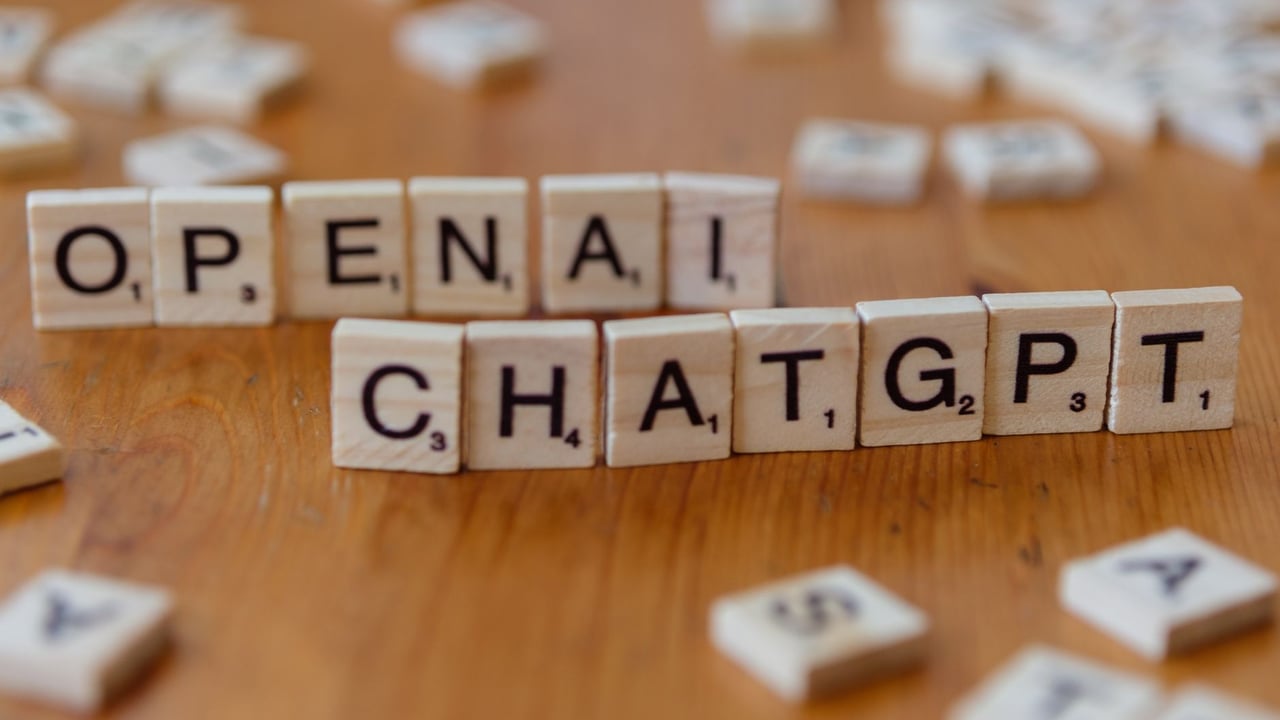

OpenAI has officially launched its latest generation of artificial intelligence models, the GPT-5.6 series, marking a significant pivot toward operational efficiency and specialized utility. The new lineup includes the flagship Sol model, the workhorse Terra, and the budget-conscious Luna. CEO Sam Altman emphasized that the flagship Sol model achieves a 54% increase in token efficiency for agentic programming tasks, a direct response to corporate anxiety over the rising costs of AI implementation and the diminishing returns of previous iterations.
This release highlights a new era of deep integration between Silicon Valley and Washington. Unlike previous launches, the GPT-5.6 series was initially restricted to a small group of trusted partners at the behest of the US government. Altman revealed that the company has been in constant communication with the Commerce and Treasury Departments, as well as the National Cybersecurity Director, to ensure the models meet rigorous safety standards before a broader public release.
The competitive landscape has never been more crowded, as the announcement coincides with rival releases from Meta and Elon Musk’s SpaceXAI. Meta recently unveiled Muse Spark 1.1, claiming it as their most powerful agentic model to date, while SpaceXAI introduced Grok 4.5. These developments come as OpenAI, currently valued at roughly $852 billion, navigates the complexities of a potential IPO alongside competitors like Anthropic, both of which have already filed preliminary paperwork with regulators.
Altman’s vision for the future of AI appears increasingly global, even as his company settles into its role as a key American strategic asset. While dismissing rumors of a 5% equity stake offer to the US government as inaccurate, he advocated for a unified global approach to AI regulation. The goal, according to Altman, is to ensure that the benefits of high-level intelligence are not disproportionately concentrated within the United States, but rather accessible to users worldwide without constant safety concerns.