Fiery Emergency Landing of Greek F-16 Highlights Operational Strains in the Eastern Mediterranean

A Greek F-16 fighter jet executed a high-stakes emergency landing on Zakynthos island after a mid-air fire alarm, resulting in a major aircraft fire but no loss of life. The incident highlights the high operational pressures and mechanical risks faced by the Hellenic Air Force during routine readiness training.

Share
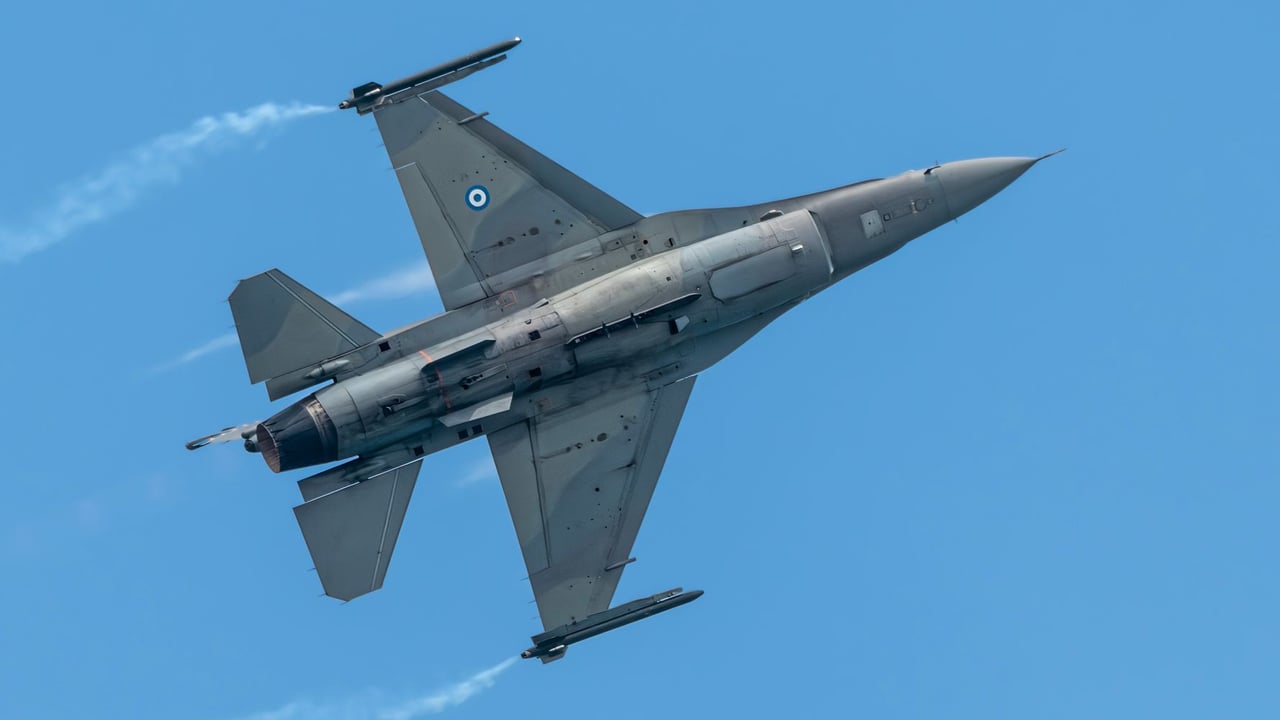
Dynamic shot of a Greek F-16 jet soaring through a clear blue sky, showcasing its sleek design.

Key Takeaways

  • 1A Hellenic Air Force F-16 made an emergency landing at Zakynthos Airport following a mid-air fire warning.
  • 2The pilot was successfully rescued and is in stable condition despite the aircraft being engulfed in flames.
  • 3The airport runway was temporarily shut down for emergency response and initial investigation procedures.
  • 4The incident underscores the mechanical risks associated with high-frequency training missions in the Mediterranean.

Editor's
Desk

Strategic Analysis

This incident serves as a stark reminder of the physical and technical toll that constant air-readiness requirements take on NATO's front-line states. Greece is currently navigating a complex transition, upgrading its aging F-16 fleet to the 'Viper' configuration while awaiting the arrival of fifth-generation F-35s to counter regional imbalances. Until these modernization efforts are complete, the Hellenic Air Force must rely on high-intensity maintenance of older airframes. Any mechanical failure of this nature will likely prompt a thorough review of fleet-wide maintenance protocols to ensure that high-readiness requirements do not compromise pilot safety or air superiority capabilities in a volatile geopolitical region.

China Daily Brief Editorial
Strategic Insight
China Daily Brief

A routine training mission over the Ionian Sea nearly turned fatal on July 9, 2026, when a Hellenic Air Force F-16 fighter jet was forced into a dramatic emergency landing. The pilot, alerted by a fire warning mid-flight, successfully guided the aircraft to Zakynthos Airport, where the airframe was engulfed in flames upon touchdown.

Emergency responders at the scene acted with precision, extracting the pilot from the cockpit before the fire could claim the fuselage. While the aircraft sustained significant damage, the pilot was reported to be in good physical condition, a testament to both modern survival systems and the rigorous training standards of the Greek air wing.

The Hellenic Air Force serves as a cornerstone of NATO’s southern flank, maintaining one of the highest operational tempos in Europe due to long-standing territorial sensitivities in the Aegean. This high readiness level necessitates frequent training sorties, which places continuous mechanical stress on a fleet that includes various aging blocks of the Lockheed Martin-made F-16.

Following the incident, the runway at Zakynthos was temporarily closed to civilian traffic, causing minor disruptions to local logistics while investigators began the process of debris recovery. Military officials have launched a formal inquiry to determine whether the fire alarm was triggered by an engine malfunction, a fuel leak, or a systemic electrical failure.

Related Articles

📰
No related articles found