
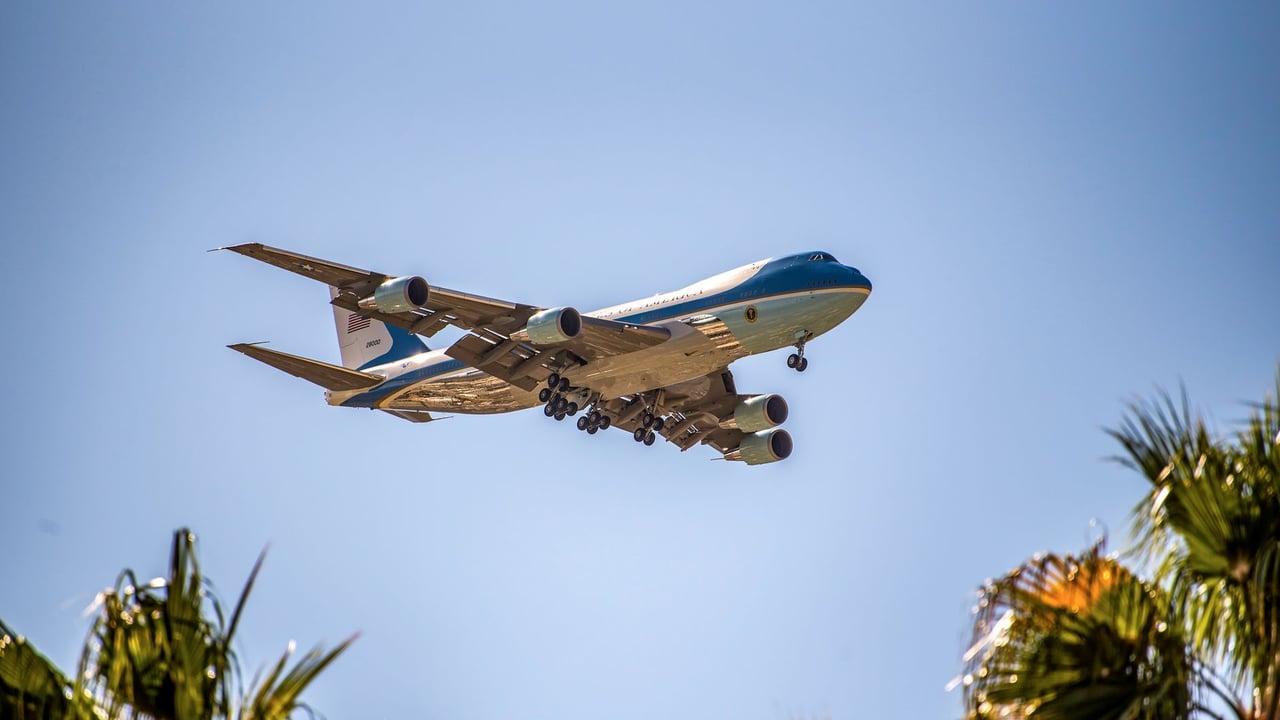

The departure of Donald Trump from Turkey this week was far from a routine diplomatic exit. In a move that highlights the precarious security environment in the Middle East, the U.S. Secret Service intervened to shift the President from a luxury aircraft gifted by Qatar to an older, battle-hardened model of Air Force One. The decision was not a matter of comfort, but of survival, as tensions with Iran reached a boiling point.
While the Qatari-gifted aircraft offered modern amenities and the latest in commercial aviation luxury, it reportedly lacked the specialized military-grade defensive suites and hardened communication systems native to the standard presidential fleet. Intelligence officials feared the luxury jet would be a vulnerable target in the event of an Iranian-led electronic or kinetic strike. Consequently, the newer plane was sent ahead to the United Kingdom as a decoy or logistical ferry, while Trump traveled separately under much tighter constraints.
Flight data revealed a high-stakes game of aerial stealth. The older Air Force One operated with its transponder deactivated until it was safely over the Black Sea, well clear of the immediate reach of regional adversaries. Passengers on board were instructed to keep all window shades drawn throughout the initial leg of the journey, a tactical maneuver designed to prevent visual tracking or the use of portable surface-to-air systems during the climb-out from Istanbul.
Upon his arrival at a British airbase, Trump was frank about the necessity of the change, identifying himself as the "number one target" on an Iranian hit list. This episode serves as a stark reminder of the evolving nature of VIP protection, where the prestige of a foreign-gifted vessel must be weighed against the cold reality of electronic warfare and targeted assassination threats. In this instance, the Secret Service opted for the reliability of the 'flying bunker' over the novelty of a diplomatic gift.