
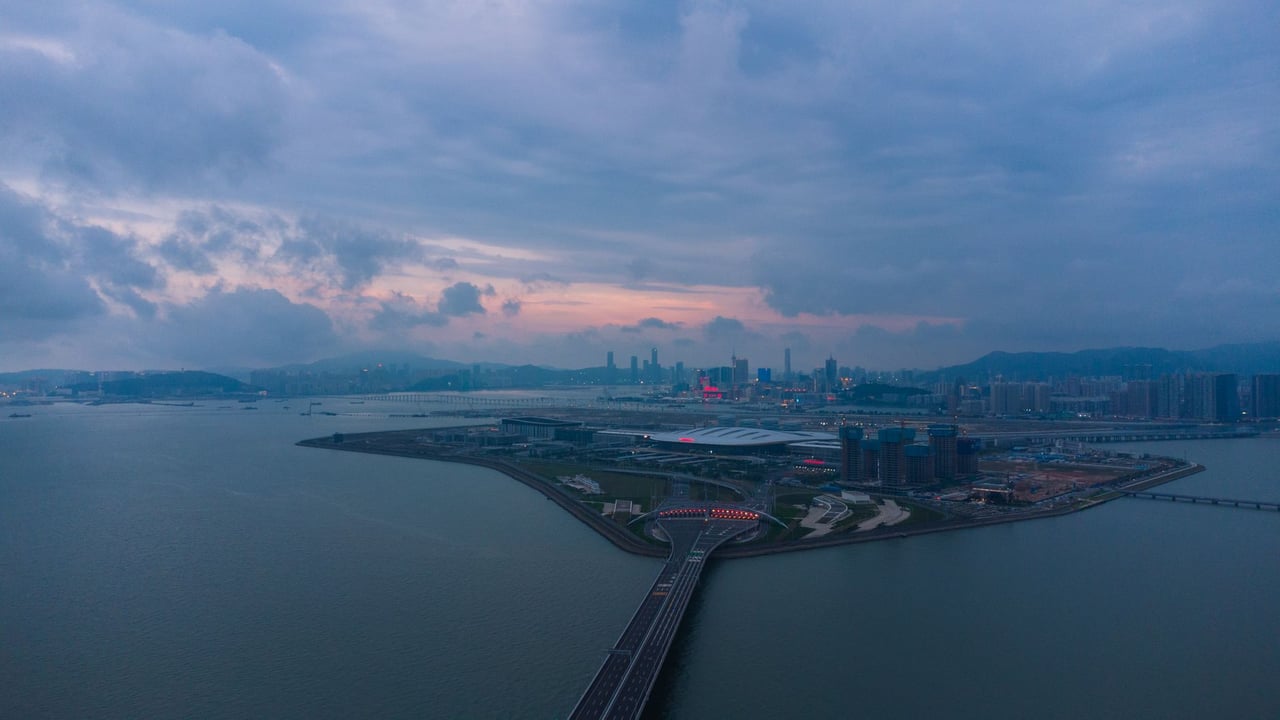

In a move designed to insulate its booming artificial intelligence sector from geopolitical headwinds, China has officially activated a massive, domestically powered "intelligent computing" cluster in the heart of the Guangdong-Hong Kong-Macao Greater Bay Area. Located in Shaoguan, this new facility represents a significant stride toward "computational sovereignty," a goal that has become paramount as Western export controls continue to squeeze Beijing's access to high-end semiconductors.
The cluster, which saw a total investment of 5.5 billion yuan (approximately $757 million), is built on a foundation of 11,520 Huawei-developed Ascend AI acceleration chips. Delivering a staggering 9,000 Petaflops (P) of computing power, the facility is positioned as a peer to international standards, specifically targeting the intensive requirements of training and running next-generation large language models.
Strategically integrated into China’s broader "Eastern Data, Western Computing" initiative, the Shaoguan hub acts as a critical node in the national integrated computing network. By localizing the entire stack—from the silicon and operating systems to the algorithmic frameworks—Chinese planners are attempting to foster a self-sustaining ecosystem that bypasses the need for the Nvidia GPUs that currently dominate the global AI landscape.
The deployment signals more than just a capacity increase; it is an industrial testbed for the scalability of home-grown training frameworks. By aligning upstream and downstream enterprises within the Greater Bay Area’s tech corridor, Beijing hopes to prove that domestic hardware can not only replace foreign alternatives but also drive the high-velocity innovation required to compete in the global AI arms race.