

The delicate detente between Washington and Tehran has shattered under the weight of a massive military exchange and a return to maximalist pressure. Speaking from the NATO summit in Ankara, President Donald Trump signaled a definitive end to the brief diplomatic thaw, declaring the existing Memorandum of Understanding (MoU) effectively defunct. This reversal comes just weeks after a period of relative calm, plunging the Middle East back into a cycle of direct confrontation that threatens global energy security.
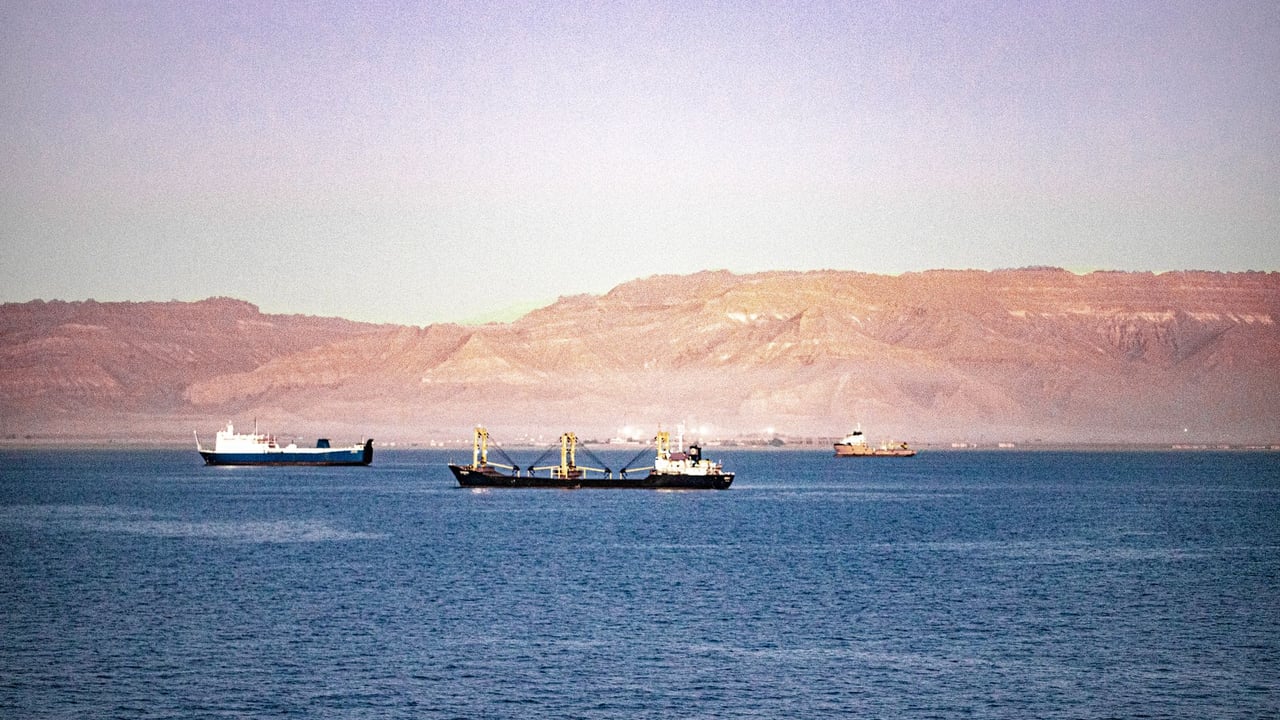
The immediate catalyst for the escalation was a series of attacks on three commercial vessels in the Strait of Hormuz, which the Pentagon attributed to Tehran. In what was described as a "double response," the United States launched widespread airstrikes against over 80 targets within Iran, including air defense systems, command networks, and naval assets. Simultaneously, the US Treasury revoked the 60-day license that had previously allowed Iran to sell oil, striking a critical blow to the Iranian economy.
Tehran’s response was swift and geographically expansive, targeting regional US military infrastructure. The Islamic Revolutionary Guard Corps (IRGC) launched retaliatory strikes against 85 American targets in Bahrain and Kuwait, emphasizing that any nation facilitating US strikes would be considered a legitimate target. Iranian officials have characterized these US actions as a fundamental breach of previous agreements, rendering the diplomatic framework a "dead letter" and accusing Washington of maritime bullying.
The timing of the conflict is particularly fraught, occurring as Iran mourns the recent death of its former Supreme Leader, Ali Khamenei. The presence of hardline US officials, including Secretary of State Marco Rubio and Defense Secretary Pete Hegseth, at the decision-making table in Ankara underscores a policy shift that prioritizes overwhelming force over the preservation of the MoU. Trump’s rhetoric has intensified, with the President labeling the Iranian leadership as "evil" and suggesting that further negotiations may be a waste of time.
Global markets have reacted with predictable volatility, with international oil prices surging by over 6% as the security of the world's most vital energy transit point is once again in doubt. European aviation regulators have already advised airlines to avoid Iranian and Iraqi airspace, fearing that the current exchange is no longer a localized skirmish but the precursor to a sustained regional conflict. As both sides retreat to their respective corners, the "vicious cycle" of brinkmanship appears to have replaced the hope for a lasting diplomatic settlement.