

Islamabad has signaled deep alarm over the deteriorating security situation between the United States and Iran, warning that a further slide into conflict would yield no strategic benefit for any global or regional player. On July 8, 2026, the Pakistani Ministry of Foreign Affairs issued a formal statement urging both Washington and Tehran to exercise maximum restraint. The ministry emphasized that the fragile peace of the region is at a breaking point and that any further provocative actions could have irreversible consequences for stability.
Central to Islamabad's appeal is the insistence on returning to the framework of existing Memorandums of Understanding (MoUs). Pakistan has urged all involved parties to honor their previous commitments, characterizing these agreements as the only durable foundation for mutual respect and shared prosperity. By invoking these formal mechanisms, Pakistan is attempting to remind both powers that a structured path to de-escalation already exists, provided there is the political will to follow it.
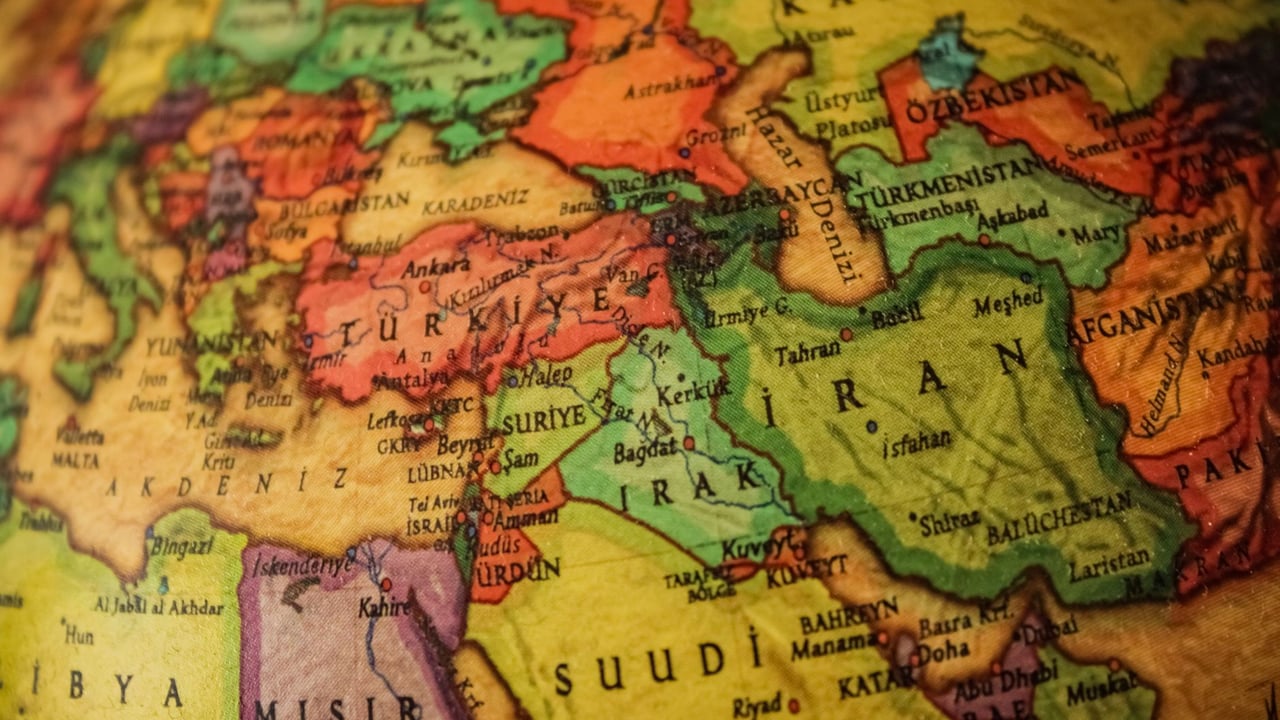
Geopolitically, Pakistan finds itself in an unenviable position, sharing a long, porous border with Iran while maintaining a complex, high-stakes security and economic relationship with the United States. For Islamabad, a regional war is not merely a diplomatic concern but an existential threat that could trigger an influx of refugees, disrupt energy supplies, and destabilize its own internal security. Consequently, the Pakistani government has reiterated its readiness to act as a constructive mediator to bridge the widening divide.
The Pakistani Foreign Ministry’s stance reflects a broader consensus among Middle Eastern and South Asian nations that have grown weary of the persistent cycle of brinkmanship. The statement underscored that there is 'no choice' but to engage in sustained diplomatic dialogue. As the shadow of conflict looms, Islamabad is positioning itself as a voice of reason, hoping that a collective push for diplomacy can stave off a broader regional conflagration.