

The sudden cancellation of U.S. Secretary of Defense Pete Hegseth’s scheduled visit to Israel has ignited speculation over the stability of the strategic alliance between the Trump administration and Prime Minister Benjamin Netanyahu’s government. While Netanyahu publicly claimed Hegseth was recalled to Washington during a NATO summit, conflicting reports suggest the Pentagon chief remained with President Trump in Turkey. This discrepancy hints at a growing diplomatic friction that extends far beyond mere scheduling conflicts or logistical hiccups.
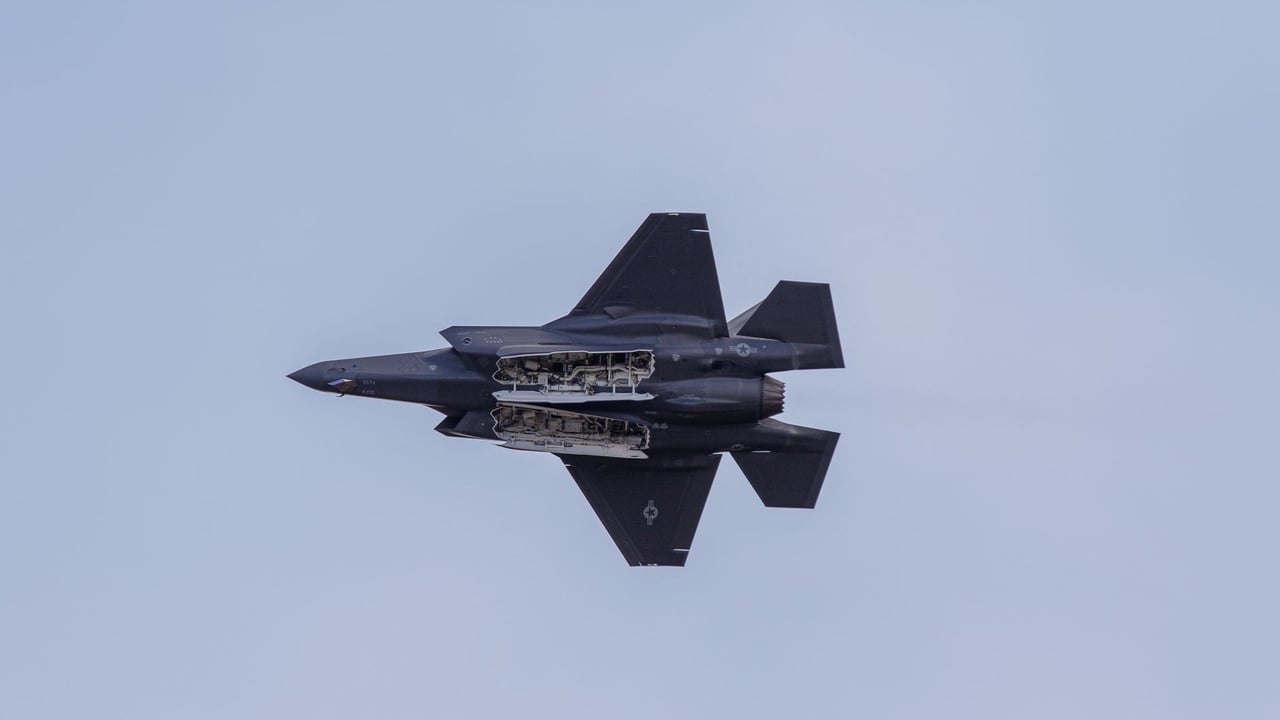
At the heart of the tension lies President Trump’s pivot toward Ankara, specifically his recent pledge to lift sanctions on Turkey and resume the sale of F-35 stealth fighters. Netanyahu has been uncharacteristically blunt in his opposition, warning that arming Turkey would fundamentally undermine the regional balance of power. For Israel, the prospect of a regional rival possessing the world’s most advanced aviation technology represents a direct threat to its long-held Qualitative Military Edge.
The cancellation also coincides with a volatile escalation in U.S.-Iran relations, a development that Jerusalem is watching with opportunistic interest. Israeli officials have long sought to leverage American pressure on Tehran to dismantle the Islamic Republic’s military infrastructure and weaken its domestic grip. By framing the canceled visit as a minor footnote, Netanyahu may be attempting to keep the focus on a shared hardline stance against Iran while downplaying the deepening rift over Turkish rearmament.
Turkey’s role in this geopolitical triangle adds another layer of complexity, as Ankara continues to be one of the most vocal critics of Israeli military operations in Gaza and Lebanon. Turkish officials have accused Israel of actively sabotaging regional ceasefires, creating a diplomatic environment where Washington must balance the demands of a traditional NATO ally against its historical commitment to Israeli security. As the Trump administration pursues a transactional 'America First' foreign policy, the traditional hierarchy of Middle Eastern alliances is being tested in unprecedented ways.