
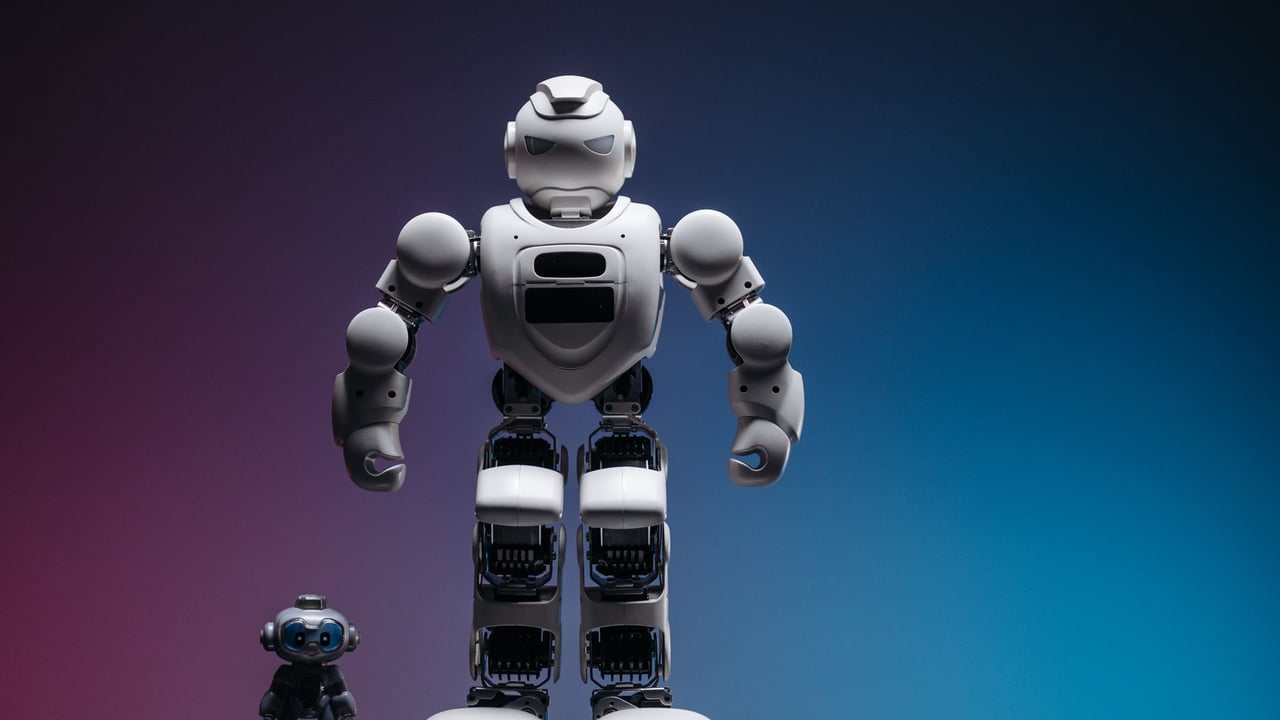

The spotlight of Chinese innovation has shifted from the factory floor to the living room. Unlike their industrial cousins that move crates or inspect pipelines, a new generation of 'bionic companions' is entering the market with a singular, abstract mission: to provide emotional value. These robots are designed to talk, empathize, and mimic human presence, with aesthetics aimed squarely at bridging the 'uncanny valley.'
UBTECH Robotics, a leader in the sector, recently dominated headlines with its U1 series launch. Its flagship U1 Ultra model is priced at a staggering 990,000 RMB (approximately $136,000), a price point that signals a bold bet on the premium luxury segment. While the company claimed over 13,000 pre-orders, the figure remains fragile; most orders were secured with a modest, refundable deposit before the final price was even revealed, leaving the actual conversion rate in question.
This high-end ambition contrasts sharply with the entry of players like Chunshuitang, a veteran in the adult products industry. By leveraging its existing supply chain for silicone dolls and integrating large language models (LLMs), Chunshuitang has introduced companion robots for as little as 15,800 RMB. This sixty-fold price discrepancy highlights a fundamental rift in the industry: is companionship a feat of high-precision robotics or a software-enhanced consumer product?
The technical complexity behind the million-yuan price tag is formidable. The U1 Ultra features 88 active joints and a skin crafted from platinum silicone, designed to convey 20 distinct micro-expressions. However, industry insiders suggest that these specifications are often optimized for laboratory conditions. In real-world settings, users frequently report mechanical facial movements, significant dialogue latency, and a battery life that struggles to exceed four hours.
Beyond the hardware, Chinese manufacturers face a 'data desert' in emotional intelligence. While industrial robots thrive on structured task data, emotional companionship requires vast amounts of private, one-on-one interaction data to train models in nuance and empathy. Currently, most robots use fine-tuned versions of general LLMs, resulting in interactions that can feel more like chatting with a chatbot than a lifelike companion.
The regulatory landscape is also tightening. China is set to implement new guidelines for anthropomorphic AI services, specifically prohibiting the induction of emotional dependency and restricting services for minors. For a sector that markets 'emotional value' as its core product, these rules create a paradox: the more effective the robot is at its job, the closer it edges toward regulatory non-compliance.