
Business & Industry News
Latest business & industry news and updates

China EV Charging Infrastructure Reaches 23.68 Million Units
Official data shows a 41.9 percent annual increase through July, driven by rapid expansion in both private and public installations.
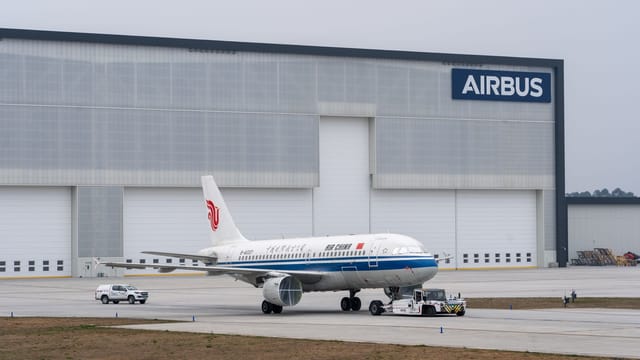
China's Freight and Port Traffic Post Moderate Growth in First Seven Months
Steady expansion in foreign trade throughput and container volume accompanies new shipping routes to emerging markets.

China's New RMB Loans Rose 10.38 Trillion Yuan in First Seven Months
Central bank data shows steady corporate borrowing balanced by a contraction in household loans and slower total social financing growth.

China Posts $379.4 Billion Current Account Surplus in First Half of 2026
A robust goods trade surplus of $526.3 billion offset the services deficit during the first six months of the year, according to official foreign exchange data.
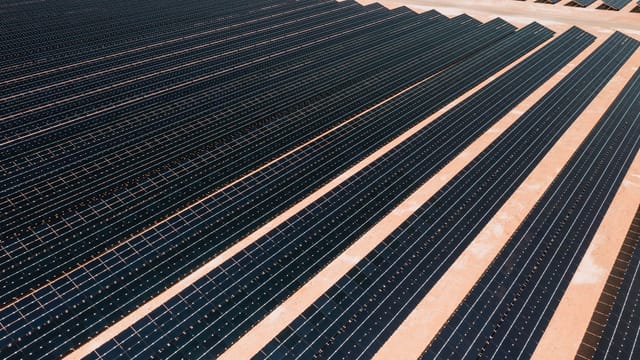
China Eyes 15 Gigawatts of Solar Thermal Capacity by 2030 at Qinghai Summit
Over 800 industry representatives gathered in Xining to address cost reduction and scaling challenges ahead of the 15th Five-Year Plan.

Unitree Technology Market Value Drops Over 20 Billion Yuan Post-IPO
A single-day market correction wipes out over 20 billion yuan in valuation for Chinese robotics firm Unitree following its public listing.

Shanghai Changxing Island Targets 120 Billion Yuan Shipbuilding Sector by 2027
The maritime manufacturing hub expands high-value vessel output as Hudong-Zhonghua holds LNG orders through 2031.

Foreign Inbound Tourism Rises in China as Viral Trend Drives Spending
Relaxed visa policies and demand for tech and bespoke culture fuel a 20.4% rise in foreign arrivals in early 2026.

China Industrial Material Prices Diverge in Early August as Steel Softens
Official data reveals 31 of 50 tracked commodities fell in early August, with ferrous metals sliding while copper and aluminum advanced.

China's Summer Wheat Procurement Exceeds 90 Million Tons Amid Peak Season
Authorities activate minimum purchase price schemes across key agricultural provinces to stabilize grain markets and protect farmer incomes.

China Launches 18.5-Million-Ton Crude Pipeline in Eastern Energy Grid Expansion
The Lianyungang-Huaian pipeline section links coastal import facilities to key refining hubs along the Yangtze River.
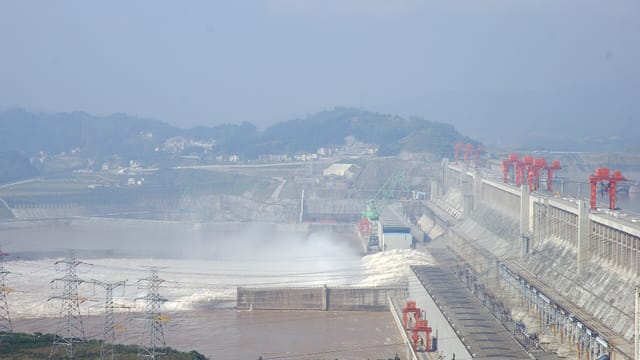
Three Gorges Hub Throughput Reaches 100 Million Tons by Mid-August
Vessel traffic along the Yangtze River reaches key milestone as ship lock and lift operations maintain steady freight flow.