
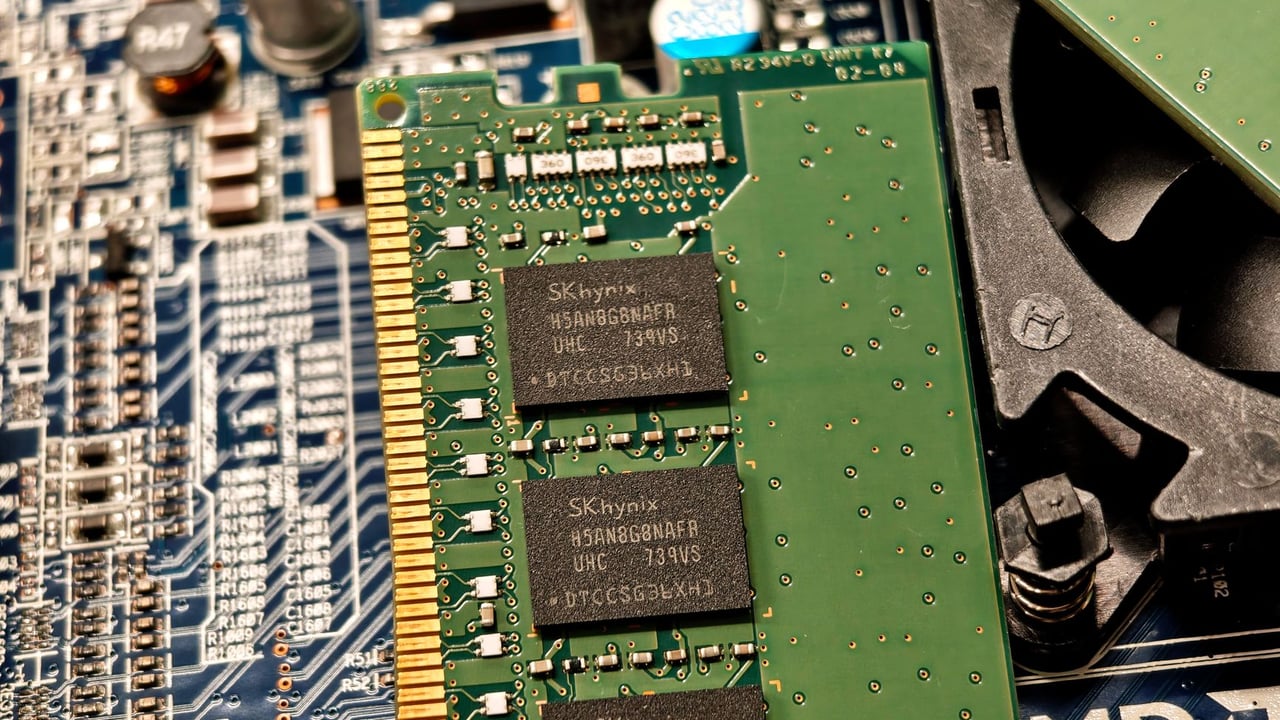

The Shanghai Stock Exchange is preparing for its most significant listing in years as Changxin Technology, China’s preeminent DRAM manufacturer, moves toward its initial public offering on the STAR Market. With a planned fundraising target of 29.5 billion RMB, the debut marks the second-largest IPO in the tech board’s history and the largest for the A-share market in 2026. This listing is not merely a financial event but a pivotal moment for China’s semiconductor sovereignty.
Changxin Technology stands as the sole Chinese firm capable of large-scale DRAM production, positioning it as the domestic alternative to the global triumvirate of Samsung, SK Hynix, and Micron. The company has ridden an unprecedented super-cycle in the memory market, driven largely by the insatiable demands of artificial intelligence. Its financial trajectory reflects this boom, with projected revenue for the first half of 2026 reaching up to 120 billion RMB, representing a staggering 600 percent year-on-year increase.
However, the sheer scale of the listing has sparked debates among investors regarding market liquidity. Analysts warn that a company with a potential valuation exceeding 2 trillion RMB could act as a liquidity siphon, drawing significant capital away from other sectors during its initial trading days. Yet, the news has also acted as a catalyst; the STAR 50 Index surged over 8 percent following the announcement, signaling that many see the IPO as a long-overdue validation of China’s hard-tech ecosystem.
The capital raised will be funneled into critical technology upgrades and the expansion of wafer production lines. This investment is crucial as Changxin seeks to narrow the generational gap with international rivals and solidify its position as the world’s fourth-largest DRAM vendor. Beyond the company itself, the IPO is expected to trigger a new cycle of capital expenditure across the domestic semiconductor supply chain, benefiting local equipment and material providers.
By securing this massive war chest, Changxin is positioning itself to lead China's charge into the high-stakes world of advanced memory. The company’s ability to transition from a state-supported project to a public market heavyweight will be closely watched by global competitors and geopolitical observers alike. As the first potential trillion-yuan tech giant on the STAR Market, its performance will likely define the valuation ceiling for the entire Chinese semiconductor sector.