
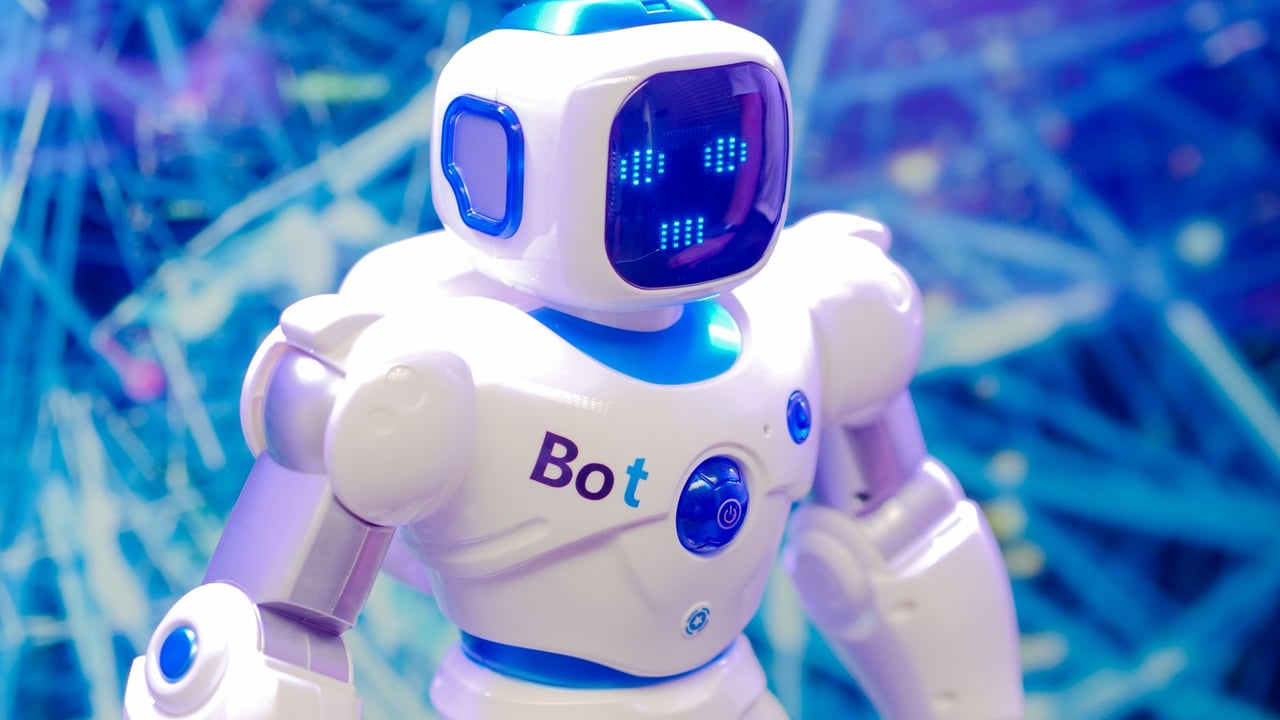

At the 2026 World Artificial Intelligence Conference (WAIC) in Shanghai, China’s Ministry of Industry and Information Technology (MIIT) signaled a significant shift in the nation’s technological trajectory. Gan Xiaobin, deputy director of the MIIT’s Science and Technology Division, announced that the annual production of full-scale humanoid robots is projected to exceed 100,000 units this year. This figure represents more than just a manufacturing target; it marks the arrival of a new industrial era where 'Embodied AI' moves from laboratory prototypes to the factory floor.
The surge in production is fueled by the rapid iteration of large language models and autonomous agents, which have finally provided robots with the 'brains' necessary to navigate complex human environments. Industry analysts describe this as the '1 to 10' phase—the critical transition where a technology moves beyond initial validation into commercial scaling. While the previous decade focused on the digital realm, the current priority is translating that intelligence into physical form, a move that leverages China’s unparalleled hardware supply chain.
Financial markets have responded with cautious optimism. The Robot ETF (159039) saw increased liquidity and gains following the announcement, with specific components in the aerospace and intelligent equipment sectors seeing double-digit surges. The enthusiasm reflects a belief that the synergy between upstream component manufacturers and downstream assembly plants is finally maturing. By treating humanoid robots as the next 'smartphone-level' platform, Beijing is positioning itself to lead the global race in high-end automation.
However, the path to mass adoption remains a question of cost and utility. As production enters the six-figure range, the focus of the industry is shifting toward reducing the bill of materials and ensuring these machines can perform economically viable tasks. If China can successfully integrate its software capabilities with its mass-production prowess, the humanoid robot could become a primary solution to the country’s looming labor shortages and an engine for future economic growth.