A Dangerous New Threshold: Iran Retaliates Against US Bases Following Strike Near Nuclear Facility

A sharp escalation in Middle Eastern hostilities has seen Iran launch ballistic missiles at US bases following an attack near its southern nuclear power infrastructure. This direct confrontation signals a collapse of previous de-escalation efforts and poses a severe threat to regional and global security.

Share
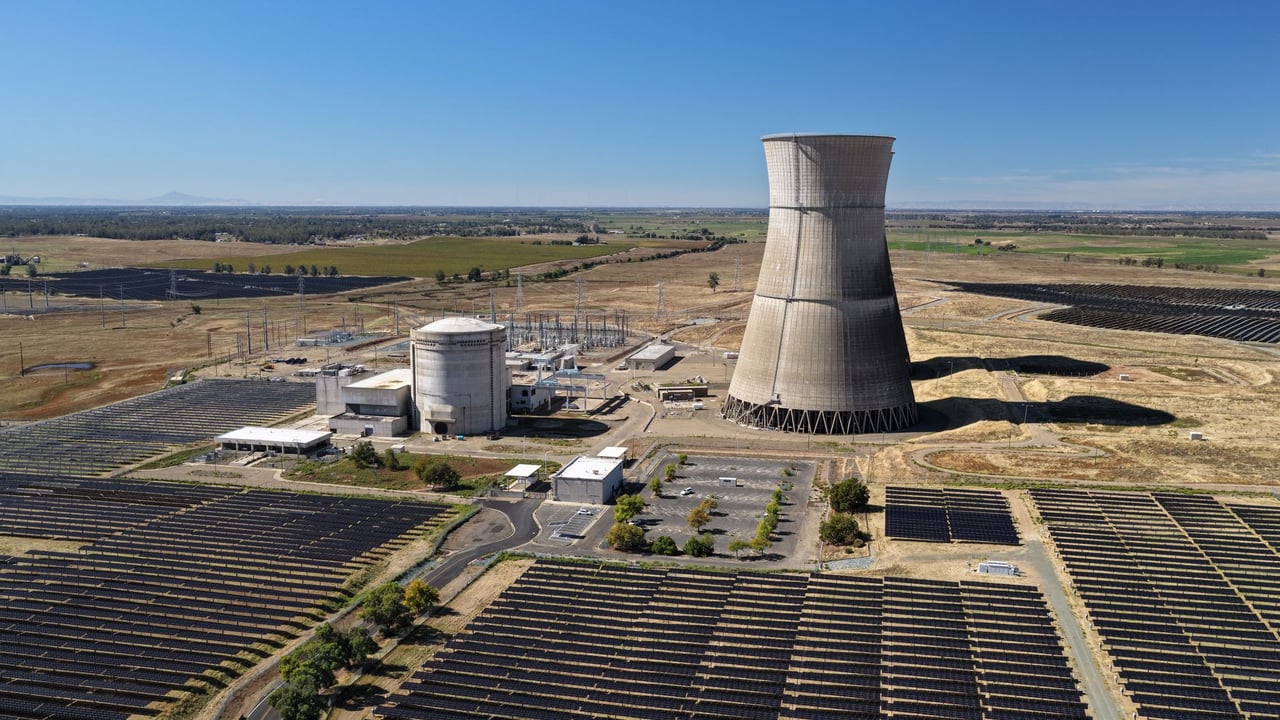
Aerial shot of Rancho Seco Solar Power Plant with large cooling tower and solar panels.

Key Takeaways

  • 1An attack occurred near Iran's southern nuclear facilities, crossing a significant geopolitical 'red line'.
  • 2Iran launched a direct ballistic missile counter-offensive targeting US regional military bases.
  • 3The escalation marks a transition from shadow warfare to overt, direct state-level conflict.
  • 4Global energy markets are expected to react violently to the heightened instability in the Persian Gulf.
  • 5International diplomatic channels are currently struggling to contain the rapid cycle of retaliation.

Editor's
Desk

Strategic Analysis

The targeting of areas near a nuclear facility, whether intentional or incidental, represents a 'grey zone' provocation that Iran's leadership cannot ignore without appearing weak domestically and regionally. This marks the failure of 'integrated deterrence' as Tehran has opted for a symmetrical escalation rather than relying on its traditional 'Axis of Resistance' proxies. The immediate danger is no longer just regional instability, but the potential for a miscalculation leading to a strategic conflict that could draw in global powers and fundamentally rewrite the security architecture of the Middle East.

China Daily Brief Editorial
Strategic Insight
China Daily Brief

The geopolitical landscape of the Middle East has shifted into a perilous new phase following reported strikes near Iran’s southern nuclear infrastructure and subsequent Iranian missile barrages against American military installations. This rapid sequence of events represents the most significant breakdown in regional deterrence in decades, moving the confrontation from the shadows of proxy warfare into the light of direct state-on-state conflict.

While the exact damage to the southern nuclear site—likely the Bushehr facility—remains unconfirmed, the symbolic weight of targeting the vicinity of such a sensitive asset has forced Tehran into a high-stakes kinetic response. By choosing to launch ballistic missiles directly from Iranian soil at US bases, the Islamic Republic is signaling that it no longer views limited engagement as a sufficient deterrent against perceived existential threats.

The international community now faces a volatile cycle of retaliation that risks spiraling into a full-scale regional war involving multiple state actors and their sophisticated arsenals. Global oil markets, already sensitive to Persian Gulf tensions, are bracing for extreme volatility as the safety of maritime corridors through the Strait of Hormuz comes into immediate question.

Diplomatic efforts to restrain both sides appear increasingly sidelined by the speed of military developments on the ground. As both Washington and Tehran weigh their next moves, the margin for error has narrowed to a razor-thin edge, with the specter of unintentional escalation looming over one of the world's most critical energy-producing regions.

Related Articles

📰
No related articles found