
Policy & Regulation News
Latest policy & regulation news and updates
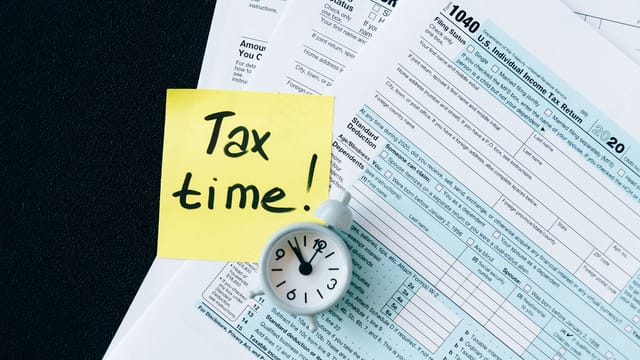
China Expands Tax Refund Reforms to Spur Inbound Tourism Spending
Streamlined paperless procedures and cross-provincial mutual recognition drive sharp growth in departure tax refund claims across major ports.
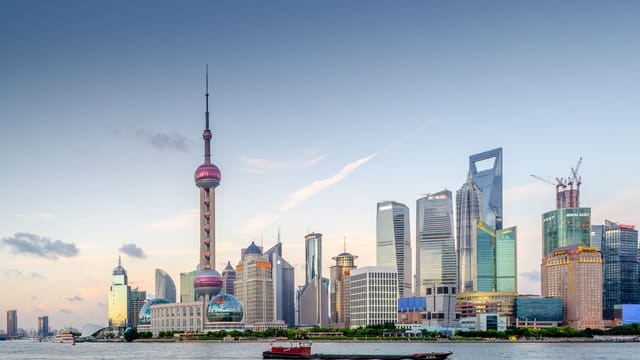
China Defends 4.7% First-Half GDP Growth as Aligned With Annual Targets
Official state media commentaries emphasize structural upgrades and risk control over headline expansion speed.

Chinese Vice President Han Zheng Meets Kuwaiti Foreign Minister in Beijing
The meeting marked the 55th anniversary of diplomatic ties, focusing on strategic partnership and Middle East peace efforts.
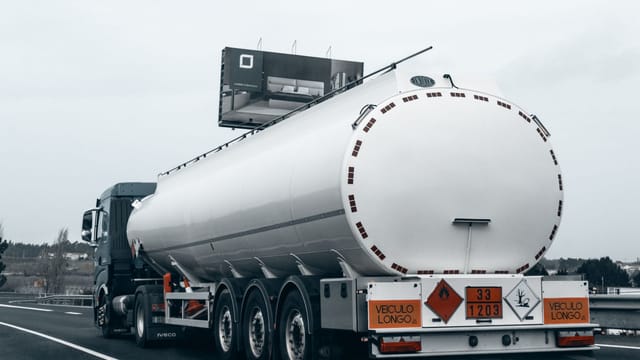
China Expands Transport and Energy Integration to Accelerate Fleet Decarbonization
Regulators and industry leaders map out infrastructure standards, heavy-duty truck electrification, and bidirectional vehicle-to-grid deployment.

China to Host 32nd APEC SME Ministerial Meeting in Guangzhou
The September gathering will focus on digital enablement, technological innovation, and regional cross-border cooperation.

China and Jordan Deepen Strategic Ties as Xi Outlines Middle East Peace Principles
Jordanian King Abdullah II concludes a state visit to Beijing, meeting top Chinese leadership to expand bilateral cooperation and discuss regional stability.

China and Jordan Pledge to Expand Strategic Ties Ahead of 50th Anniversary
Premier Li Qiang and King Abdullah II emphasize cooperation in green technology, trade, and regional stability during the Jordanian monarch's state visit.
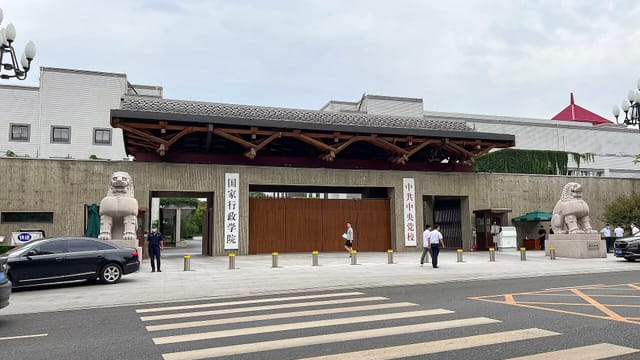
China Concludes Party Campaign on Leadership Performance and Cadre Conduct
Beijing shifts toward permanent oversight and differentiated evaluations ahead of local leadership reshuffles and the 15th Five-Year Plan.

China and Kuwait Pledge Deeper Energy Ties and Gulf De-escalation
Foreign ministers mark 55 years of bilateral ties with commitments to major project cooperation and diplomatic coordination amid Middle East tensions.
China Releases First 15th Five-Year Plan for Beautiful China Construction
The State Council's new framework shifts environmental strategy from targeted pollution remediation toward integrated carbon reduction and green growth.

China Targets 1.4 Trillion Yuan Emergency Equipment Industry by 2030
A joint ministerial five-year plan sets targets to expand disaster response manufacturing, promote AI integration, and develop national industrial clusters.

China Punishes 7,200 Group Livestream Rooms in Cyberspace Rectification Push
Regulators target aggressive tipping tactics, vulgar content, and minor protection violations across major video platforms.