Hormuz Flashpoint: Qatar Pauses LNG Expansion as US-Iran Truce Collapses

Qatar has suspended its LNG production expansion at the critical Ras Laffan facility following the collapse of a US-Iran ceasefire and naval attacks in the Strait of Hormuz. The move has triggered an 80% surge in Asian spot prices and threatens a global supply crisis ahead of the winter heating season.

Share
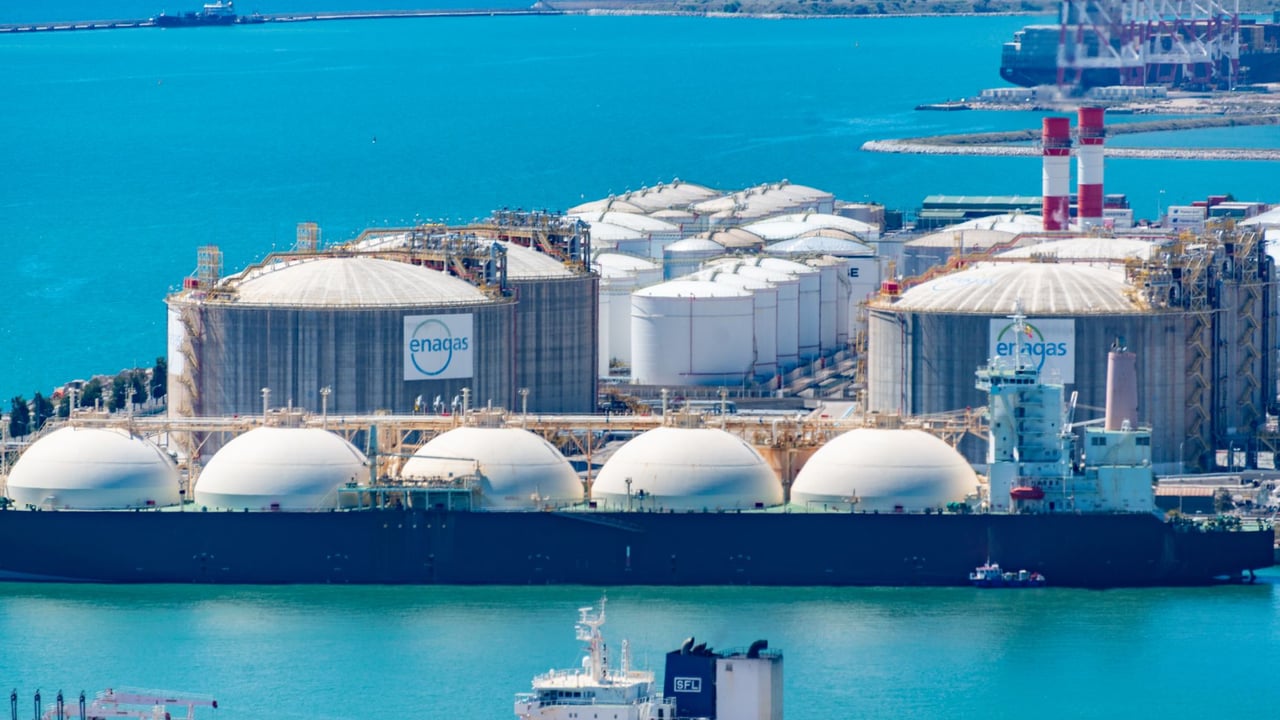
Aerial shot of a gas terminal featuring LNG storage tanks and tanker ships in turquoise waters.

Key Takeaways

  • 1QatarEnergy has halted plans to increase LNG capacity at Ras Laffan due to escalating regional conflict.
  • 2The collapse of the US-Iran ceasefire has led to shipping disruptions in the vital Strait of Hormuz.
  • 3Asian LNG spot prices have spiked by 80%, intensifying competition with European markets.
  • 4Force majeure declarations for major energy customers have been extended through August and potentially September.
  • 5Eleven empty LNG tankers are currently stranded outside Qatari ports as loading operations remain frozen.

Editor's
Desk

Strategic Analysis

The decision by Doha to pause its gas expansion signifies a major shift in the risk calculus for Middle Eastern energy exporters. By moving to 'minimum operations,' Qatar is not only protecting its infrastructure but also signaling to the global community that it will not provide a safety net while its assets are under threat. This development is particularly damaging for the global energy transition, as LNG was positioned as the primary 'bridge fuel.' The return to a 'maximum pressure' environment under the current U.S. administration, combined with Iran's willingness to target energy infrastructure, suggests that the premium on gas will remain elevated for the long term. For China and Europe, the strategic takeaway is clear: the geographic concentration of gas supply in the Persian Gulf remains a profound vulnerability that current diversification efforts have failed to mitigate.

China Daily Brief Editorial
Strategic Insight
China Daily Brief

The fragile peace in the Middle East has suffered a decisive blow as QatarEnergy reportedly suspended its ambitious plans to ramp up liquefied natural gas (LNG) production at the Ras Laffan facility. This move follows a series of maritime attacks in the Strait of Hormuz and a subsequent exchange of airstrikes between the United States and Iran. The escalating hostilities have effectively nullified recent ceasefire agreements, with the Trump administration signaling a formal end to the temporary truce.

Faced with rising risks to shipping and personnel, Qatar’s Energy Minister and CEO of QatarEnergy, Saad Al-Kaabi, has ordered a halt to the rapid restoration of capacity at the Ras Laffan complex. Operations at the facility will reportedly be maintained at absolute minimum levels for the foreseeable future. The decision has immediate logistical consequences, as ship-tracking data reveals a fleet of empty LNG carriers idling outside the port, their loading operations suspended as the region braces for further kinetic engagement.

This production freeze arrives at a precarious moment for the global energy market. The Strait of Hormuz remains the world’s most critical chokepoint for energy transit, and any disruption there sends shockwaves through international bourses. Spot prices for LNG in Asia have already surged by more than 80% compared to pre-conflict levels, reflecting deep-seated fears that the supply cushion for the upcoming winter is evaporating.

The suspension of Qatar’s expansion efforts effectively pits European and Asian buyers against one another in a zero-sum competition for remaining cargoes. With major utilities like Italy’s Edison SpA reporting that force majeure notices may extend into September, the prospect of a prolonged supply crunch is no longer a hypothetical risk but a market reality. This geopolitical volatility underscores the inherent fragility of a global gas market that has become increasingly dependent on Middle Eastern stability.

Related Articles

📰
No related articles found