
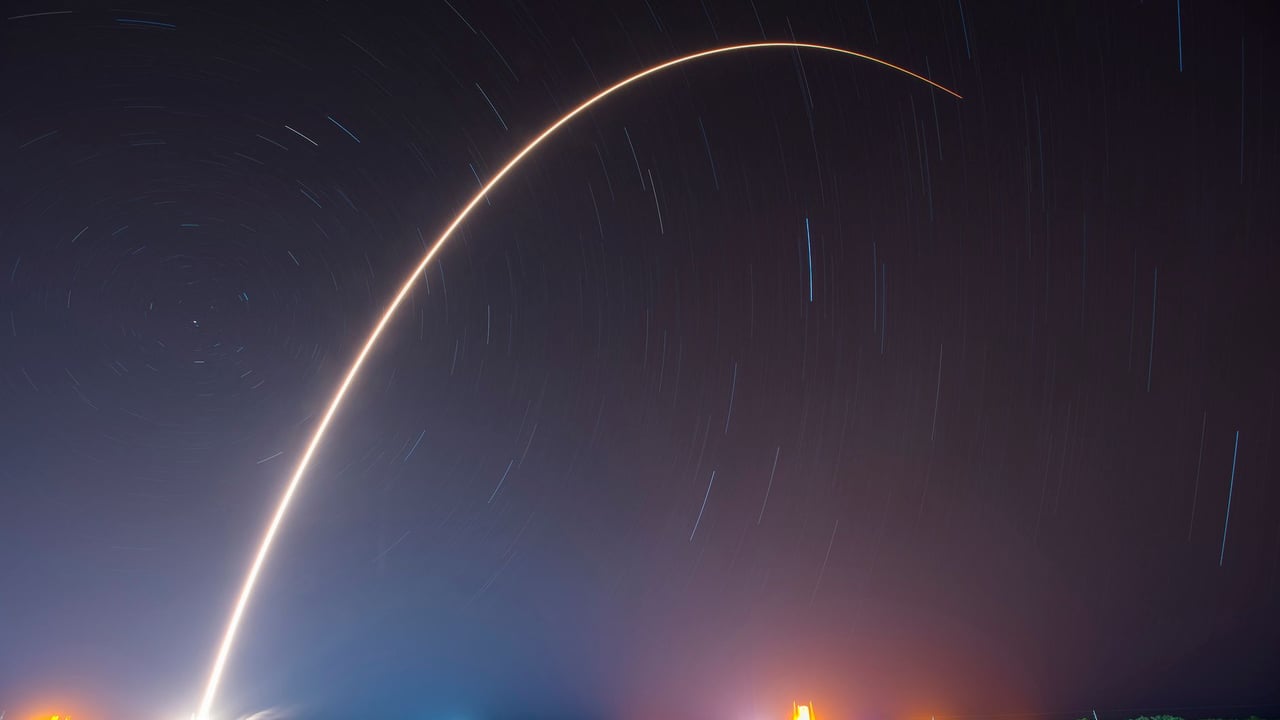

On July 10, 2026, China marked a historic milestone in its aerospace ambitions as the Long March 10B carrier rocket successfully completed its maiden flight and a subsequent vertical sea-based recovery. Launched from the Hainan Commercial Space Launch Site, the rocket’s first stage detached and executed a controlled descent, eventually being caught by an innovative sea-based 'smart capture net' platform. This achievement makes China only the second nation, after the United States, to master high-capacity reusable rocket technology, effectively breaking a long-standing technical monopoly held by Western private firms.
The successful recovery is particularly significant due to its 'net-based' landing mechanism, a departure from the traditional landing legs seen on SpaceX’s Falcon 9. This innovative approach, which mirrors the logic of the 'Mechazilla' chopsticks system but is adapted for sea platforms, significantly reduces the rocket’s structural weight by eliminating heavy landing gear. By shedding this dead weight, the Long March 10B increases its effective payload capacity, directly addressing the economic requirements for launching massive low-Earth orbit (LEO) satellite constellations.
Financial markets responded with immediate enthusiasm as the commercial aerospace sector surged on the news, with several industry leaders hitting their daily upward price limits. Analysts suggest that the success of the Long March 10B transitions the industry from a 'policy and capital-driven' speculative phase into an 'internal profit-driven' commercial loop. The substantial reduction in launch costs is expected to accelerate the deployment of China’s own LEO broadband networks, providing a clear path for valuation growth across the entire supply chain.
The second half of 2026 is poised to be a watershed moment for China’s private space sector, with several other major players preparing for their own reusable rocket trials. Companies such as LandSpace, i-Space, and Deep Blue Aerospace are all scheduled to conduct critical flight tests or sea-based recovery validations before the year ends. As the industry moves toward a standardized model of reusability, the focus is shifting from whether these rockets can be recovered to how they can be refurbished most economically for rapid turnaround.