China Secures Record Summer Grain Harvest as Yield Growth Offsets Shrinking Acreage

China’s 2026 summer grain output reached a record 301.49 billion jin, driven by a 0.8% increase in unit yields that successfully offset a slight decline in total planting area. The harvest provides a stable foundation for the 15th Five-Year Plan and reinforces Beijing's strategic focus on agricultural self-sufficiency through technological modernization.

Share
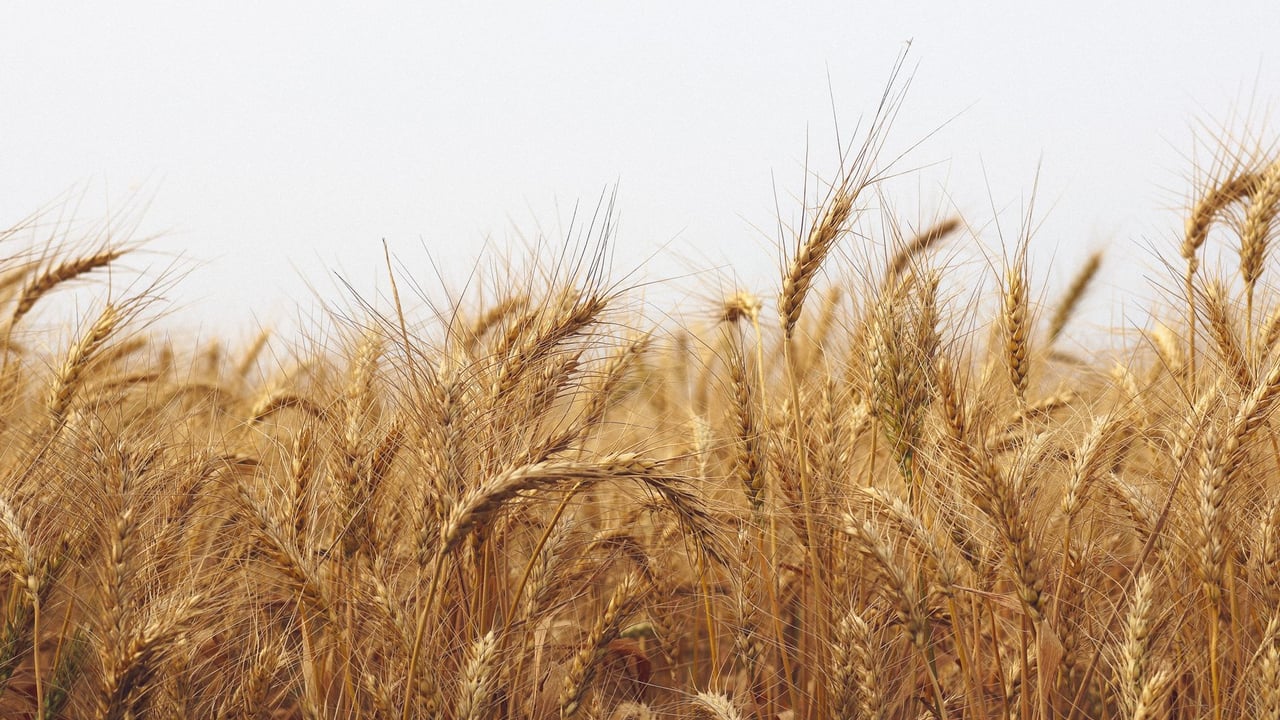
A serene view of a golden wheat field in Bangladesh, capturing the essence of rural agriculture.

Key Takeaways

  • 1Total summer grain output increased by 2.0 billion jin to reach a record 301.49 billion jin.
  • 2Acreage declined slightly, but unit yields rose by 0.8% due to improved technology and seed varieties.
  • 3Major wheat-producing regions like Henan and Shaanxi saw significant recovery following previous weather-related setbacks.
  • 4The harvest marks a successful start to the 15th Five-Year Plan, providing a buffer against international market volatility.

Editor's
Desk

Strategic Analysis

This harvest signals a maturing of China's food security strategy, moving away from a reliance on sheer land volume toward high-tech, high-yield agriculture. By achieving a record harvest on less land, Beijing is proving that its 'high-standard farmland' initiative and seed industry modernization are yielding tangible results. This stability is not just an agricultural win; it is a geopolitical necessity for the Chinese leadership. As the 15th Five-Year Plan begins, a secure domestic food supply provides the CCP with the domestic stability required to navigate increasingly complex trade tensions and global supply chain disruptions without the immediate threat of food inflation.

China Daily Brief Editorial
Strategic Insight
China Daily Brief

China has reported a record-breaking summer grain harvest for 2026, totaling 301.49 billion jin (approximately 150.7 million metric tons). This represents a 0.7% increase from the previous year, a critical milestone that comes as the nation navigates the opening stages of its 15th Five-Year Plan. Wheat, the primary component of the summer harvest, saw a similar rise of 0.6%, reaching 277.9 billion jin.

The most significant takeaway from this year's data is the shift from land expansion to productivity gains. While the total sowing area for summer grain actually decreased by 690,000 mu to 398 million mu, the average yield per mu rose by 0.8% to 757.6 jin. This efficiency gain underscores Beijing's successful push to maximize output from a finite and increasingly protected pool of arable land.

Government officials attribute the "high-score" performance to a combination of political accountability and targeted financial support. Under the current policy of "shared responsibility between Party and government" for food security, local authorities have faced heightened pressure to prevent the conversion of farmland to non-agricultural uses. Furthermore, stable minimum purchase prices and increased insurance coverage have incentivized farmers to maintain production despite fluctuating global markets.

Technological integration also played a decisive role in overcoming adverse weather conditions. Following a period of late sowing caused by autumn floods, the central government deployed emergency funds for specialized agricultural techniques, including the integration of new seed varieties and precision machinery. These interventions, coupled with favorable spring weather in major wheat-producing provinces like Henan and Anhui, allowed the crop to recover during its critical growth phases.

Related Articles

📰
No related articles found