
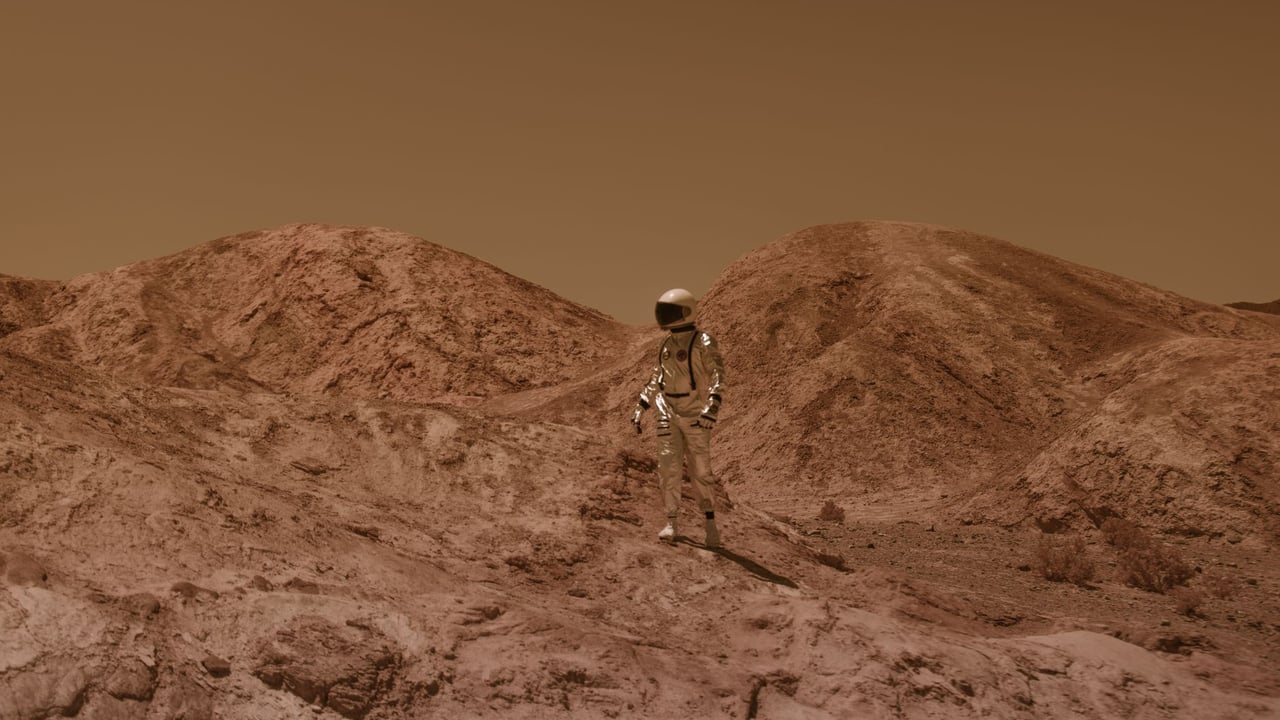

Elon Musk has once again invigorated—and polarized—the global space community by reiterating his aggressive timeline for extraterrestrial colonization. Speaking as the clock ticks toward the latter half of 2026, the SpaceX founder claims that the first logistical payloads will reach the Moon and Mars before the year concludes. This ambitious logistical surge is intended to pave the way for human arrivals on both celestial bodies within the next five years.
Critics within the Chinese media and the broader scientific community are labeling these proclamations as "big pies"—a Mandarin colloquialism for grand but potentially empty promises. While SpaceX has fundamentally revolutionized orbital delivery through its reusable booster technology, the leap from low-Earth orbit to sustainable Martian logistics remains a chasm filled with unprecedented technical and financial hurdles. The skepticism centers on the recurring gap between Musk's visionary rhetoric and the rigorous timelines of aerospace engineering.
This latest push comes as the geopolitical stakes for lunar dominance reach a fever pitch. With China’s lunar program making steady, methodical gains and NASA’s Artemis missions grappling with their own structural delays, Musk’s private-sector speed is often viewed as the West’s most potent wildcard. The ability to land significant hardware on Mars by the end of 2026 would signal a decisive shift in the 21st-century space race, moving it from exploration to the era of occupation.
For these goals to materialize, the Starship platform must demonstrate flawless, rapid reusability and complex deep-space refueling—technologies that are still in their iterative infancy. Success would validate Musk’s vision of a multi-planetary species and silence those who view his deadlines as mere marketing. However, any significant failure in the upcoming supply window could further erode the credibility of "Elon Time" in the eyes of the international investors and state partners essential for long-term colonization.