
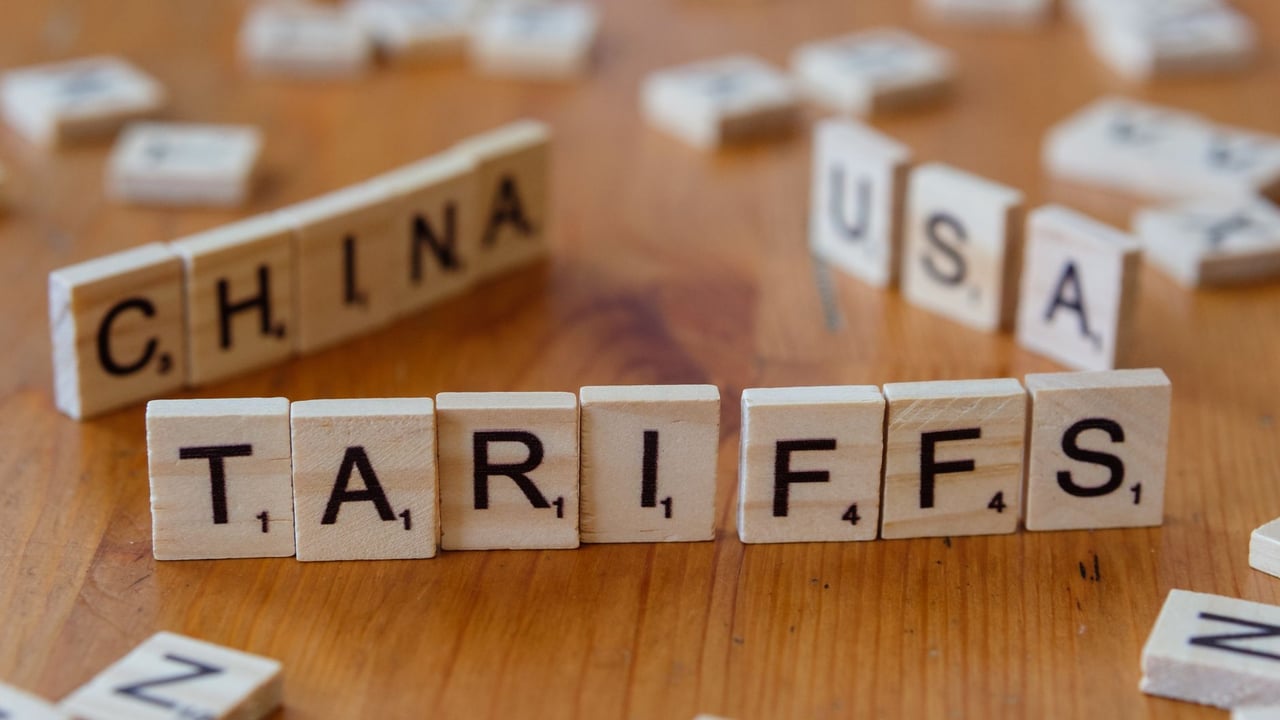

European leaders currently find themselves at a historic crossroads, attempting to balance a fraying transatlantic alliance with an inescapable economic dependency on China. While official summits often focus on the immediate theatrics of managing relations with the United States, the underlying strategic anxiety in Paris and Berlin is increasingly centered on Beijing. The traditional 'China-US-EU' triangle has shifted into a more volatile configuration, where the interests of all three poles are frequently in direct opposition.
Brussels continues to struggle with its 'triple definition' of China as a partner, competitor, and systemic rival. Despite rhetoric regarding security threats, the economic reality is stark: China remains the EU’s largest source of imports and a critical market for German automotive and French luxury sectors. With 2025 trade figures showing EU imports from China reaching nearly 560 billion euros, the costs of a total 'decoupling' are widely viewed as prohibitive, leading the bloc to adopt the more cautious 'de-risking' strategy instead.
This 'de-risking' approach—characterized by trade protectionism and tariffs on Chinese electric vehicles and wind turbines—seeks to diversify supply chains without triggering a full-scale economic war. However, this strategy is complicated by the fact that the EU remains heavily reliant on Chinese manufacturing for its green energy transition. Currently, China supplies over 80% of the EU’s green energy products, including the vast majority of its solar panels and a significant portion of its wind turbine components.
Simultaneously, the transatlantic alliance is weathering a period of unprecedented strain. The return of 'America First' policies has seen Washington treat Brussels more as a commercial adversary than a traditional ally. Friction over digital taxes, aircraft subsidies, and agricultural tariffs has escalated into a low-level trade war. The threat of 100% tariffs on French wine in retaliation for taxes on US tech giants illustrates a shift from a values-based partnership to a transactional, interest-based competition.
Geopolitical divergences further widen the gap between the EU and the US. On the issue of Ukraine, Europe views the conflict as an existential threat to continental security, while Washington has increasingly signaled a desire for a negotiated settlement to focus on domestic priorities. Similarly, in the Middle East, the EU’s emphasis on a two-state solution and humanitarian concerns in Gaza clashes with a US administration that offers unconditional support for Israeli military objectives.
As the EU attempts to walk this diplomatic tightrope, it faces the risk of being marginalized by both superpowers. The bloc’s effort to maintain its own 'strategic autonomy' is no longer just a political ambition but a survival necessity. However, with internal divisions between member states on how to handle Beijing and Washington, Europe’s ability to act as a cohesive third pole remains the primary question for the coming decade.