
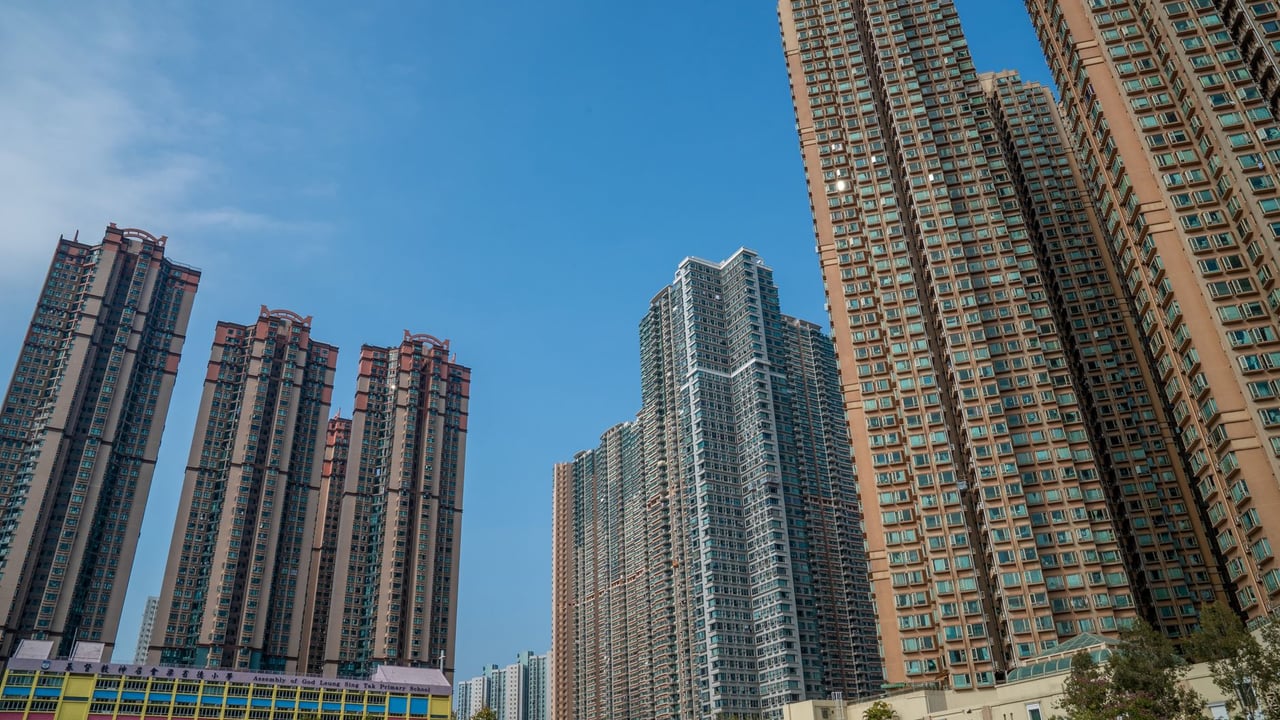

After years of downward pressure following the property sector's broader deleveraging, China's residential rental market is showing signs of a bifurcated recovery. In the high-stakes metropolises of Beijing, Shanghai, and Shenzhen, rents have marked their fourth consecutive month of growth, signaling that the 'general decline' phase has ended for the nation's economic engines. This localized resilience contrasts sharply with the broader national landscape, where smaller cities continue to grapple with persistent price erosion.
Data from the China Index Academy reveals that while the average rent across 50 major cities fell slightly in the first half of 2026, the pace of that decline has significantly decelerated compared to the previous year. June data shows a modest monthly uptick driven largely by the 'graduation season' and a post-holiday return to work. This seasonal demand has brought much-needed stability to a sector that has been in a prolonged adjustment period since the early 2020s.
A record-breaking 12.7 million college graduates are entering the workforce this year, many of whom are flocking to Tier-1 cities where industrial clusters and job opportunities remain concentrated. This influx of 'rigid demand' is providing a floor for rental prices in cities like Shanghai and Shenzhen. Meanwhile, Tier-2 and Tier-3 cities continue to struggle with oversupply and weaker population growth, leading to a deepening divergence in the national rental landscape.
Perhaps the most significant driver of this shift is a strategic pivot in government housing policy as China transitions into its 15th Five-Year Plan. Local governments are moving from 'expanding volume' to 'optimizing stock,' with cities like Shanghai dramatically slashing their targets for new subsidized rental units from 70,000 down to 12,000. This reduction in state-led supply is removing the price 'anchor' that previously suppressed market rents, allowing for more organic price recovery in premium hubs.