Calculated Brinkmanship: Washington Pairs Muscle with Diplomacy in Standoff with Tehran

U.S. military forces are maintaining a state of high readiness in the Arabian Sea while officials pursue a 'strike-and-pause' strategy to allow room for diplomacy with Iran. The Pentagon is using a pre-vetted target list as leverage to pressure Tehran into de-escalation without triggering a full-scale war.

Share
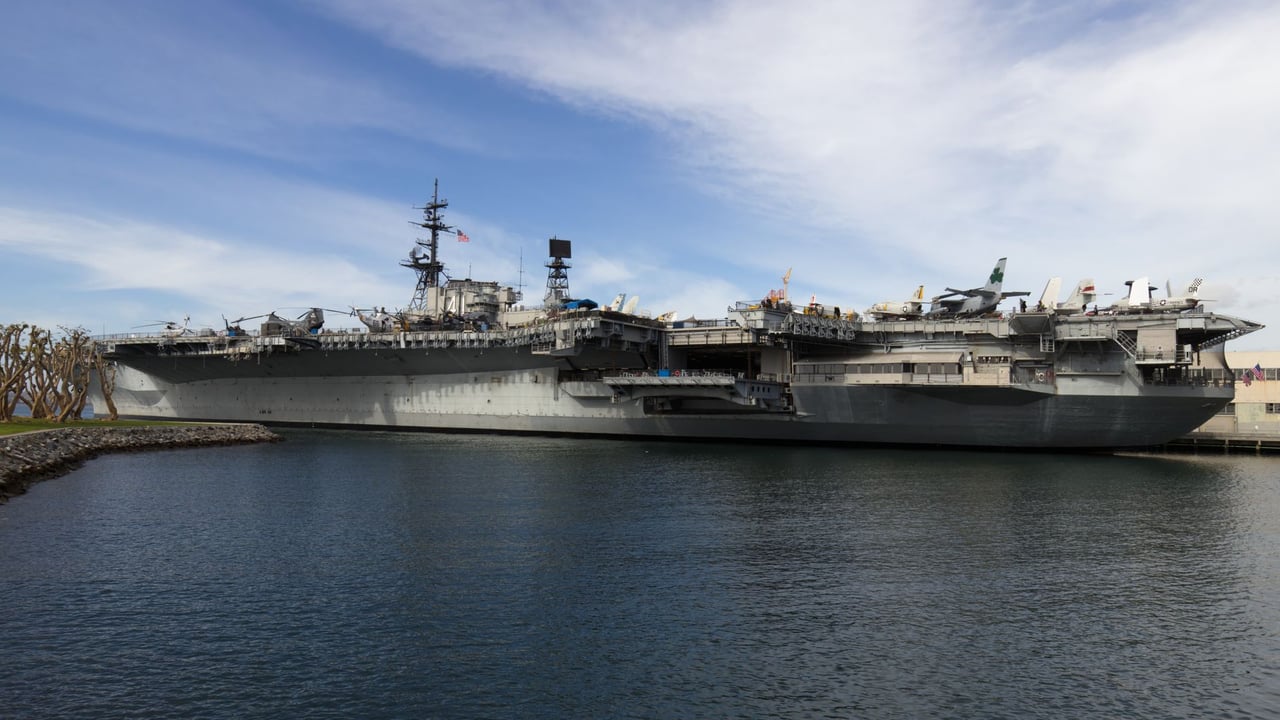
USS Midway aircraft carrier docked in San Diego Harbor, showcasing naval history.

Key Takeaways

  • 1U.S. officials are implementing a 'strike-and-pause' doctrine to balance military pressure with diplomatic openings.
  • 2The USS Abraham Lincoln carrier strike group is fully armed and conducting drills for potential immediate action.
  • 3A comprehensive 'target list' is being maintained as strategic leverage to influence Iranian decision-making.
  • 4Washington has officially denied Iranian reports of additional strikes, aiming to prevent miscalculation through misinformation.

Editor's
Desk

Strategic Analysis

The 'strike-and-pause' doctrine described here reflects a sophisticated, albeit high-risk, evolution in modern conflict management. By treating kinetic strikes as punctuation marks within a diplomatic sentence rather than as a continuous campaign, Washington is attempting to restore deterrence without crossing the threshold into total war. However, this 'calibrated restraint' is a gamble on Iranian rationality; if Tehran perceives the pauses as a lack of political will rather than strategic patience, it may be emboldened to push further. The presence of the USS Abraham Lincoln ensures that if the diplomatic gamble fails, the transition to high-intensity conflict will be instantaneous, leaving the global community on a knife-edge as both sides test the limits of brinkmanship.

China Daily Brief Editorial
Strategic Insight
China Daily Brief

In the sweltering tension of the Arabian Sea, the USS Abraham Lincoln serves as a floating testament to the fragile state of global security. As flight decks buzz with the mechanical precision of arming sorties and pilots undergo rigorous drills, the American administration is attempting to thread a needle between open warfare and a diplomatic breakthrough. This dual-track approach seeks to manage a volatile crisis that threatens to reshape regional power dynamics.

U.S. officials are characterizing their current military posture as a series of "intentional pauses" following initial kinetic actions. By striking specific assets and then halting operations, Washington is signaling a desire to avoid a tit-for-tat escalation that could spiral into a full-scale regional conflagration. The pause is designed to provide Tehran with a clear window for de-escalation while reinforcing the gravity of the situation.

This strategy relies heavily on a curated "target list" that acts as both a tactical blueprint and a psychological cudgel. By keeping these high-value options on the table rather than executing them immediately, the U.S. is utilizing military planning as a form of high-stakes leverage. The message to the Iranian leadership is unmistakable: the severity of the next wave of strikes is entirely dependent on their willingness to engage in credible diplomatic dialogue.

Despite recent claims from Tehran suggesting that American forces have already launched additional strikes, Washington remains adamant that diplomacy currently holds the reins. U.S. officials have been quick to dismiss these reports as inaccurate, reflecting a broader effort to control the narrative and prevent accidental escalations triggered by misinformation. For now, the focus remains on the carrier groups in the Arabian Sea, which stand ready to transition from a deterrent posture to active combat at a moment's notice.

Related Articles

📰
No related articles found