
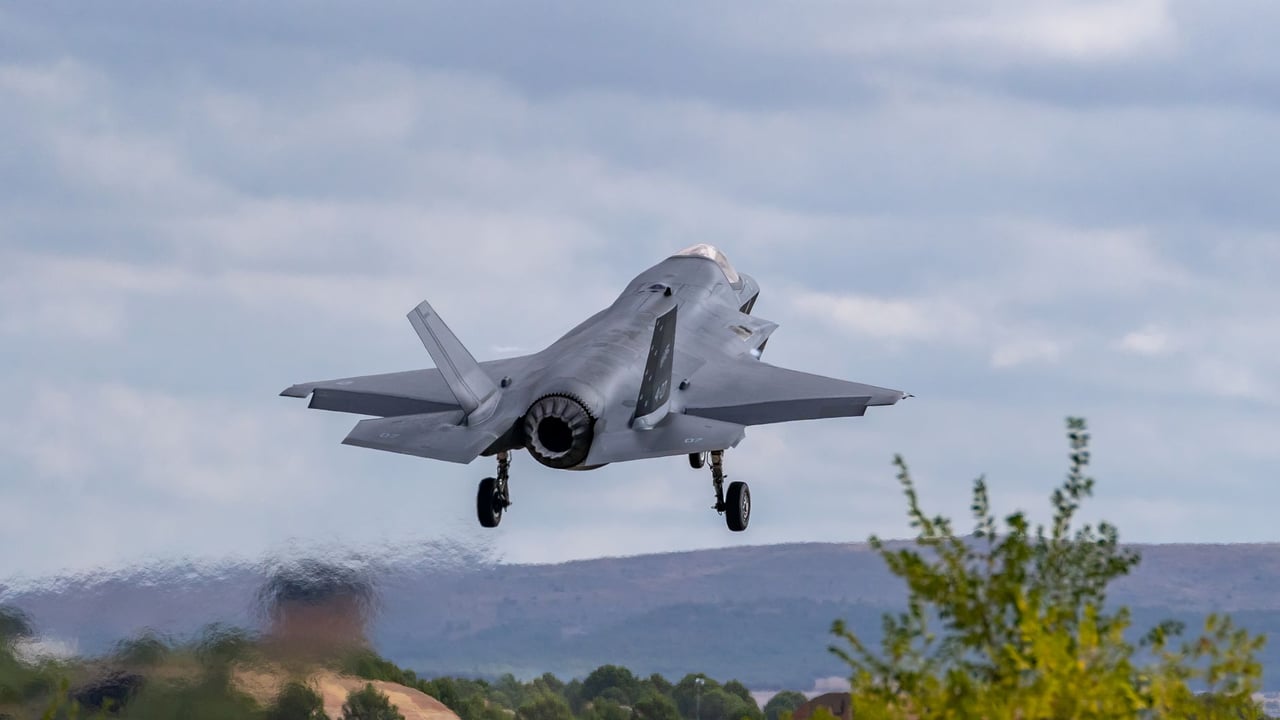

The diplomatic corridors of the NATO summit in Ankara have become the latest battleground for a complex regional power struggle, as Turkish President Recep Tayyip Erdoğan forcefully brushed aside objections from Israel and Greece regarding Turkey’s potential procurement of F-35 stealth fighters. Speaking at the summit’s closing press conference, Erdoğan characterized the opposition from Israeli Prime Minister Benjamin Netanyahu and Greek Prime Minister Kyriakos Mitsotakis as irrelevant to his administration's strategic path. This defiance underscores a deepening rift between Ankara and its Mediterranean neighbors, fueled by shifting military balances and ideological clashes.
Israel’s opposition is rooted in a desire to maintain its Qualitative Military Edge (QME) in the Middle East, a long-standing pillar of its security doctrine. Prime Minister Netanyahu reportedly appealed directly to Washington, arguing that equipping Turkey with F-35s—or providing American engines for Turkey’s indigenous fighter program—would compromise Israeli air superiority. Relations between the two nations have spiraled to historic lows following the 2023 Gaza conflict, with Ankara increasingly positioning itself as a fierce critic of Israeli military operations and a supporter of international legal actions against the Netanyahu government.
Simultaneously, Greece remains hyper-vigilant regarding any move that could tilt the military scales in the Aegean. Despite both being NATO members, Athens and Ankara share a history of brinkmanship over maritime borders, ethnic minorities, and migration. Greek officials fear that a modernized Turkish air force would embolden Ankara’s territorial claims, potentially disrupting a fragile status quo that has required constant diplomatic maintenance. For Athens, the F-35 is not just a platform; it is the ultimate arbiter of regional deterrence.
The Turkish Ministry of Foreign Affairs has amplified Erdoğan’s stance, dismissing Israeli concerns as a systematic campaign of disinformation. Ankara maintains that its pursuit of advanced aviation technology is a sovereign right and a necessity for NATO’s collective defense on its southern flank. However, the path to the F-35 remains fraught with political hurdles in the U.S. Congress, where the concerns of the Greek and Israeli lobbies often carry significant weight in the final approval of major arms transfers.