Damascus Blasts Challenge Macron’s Push for Syrian Normalization

Two explosions in central Damascus killed one and injured 36 on July 7, coinciding with a diplomatic visit by French President Emmanuel Macron. The blasts occurred near a government ministry and the President's hotel, highlighting the persistent security risks in the Syrian capital despite normalization efforts.

Share
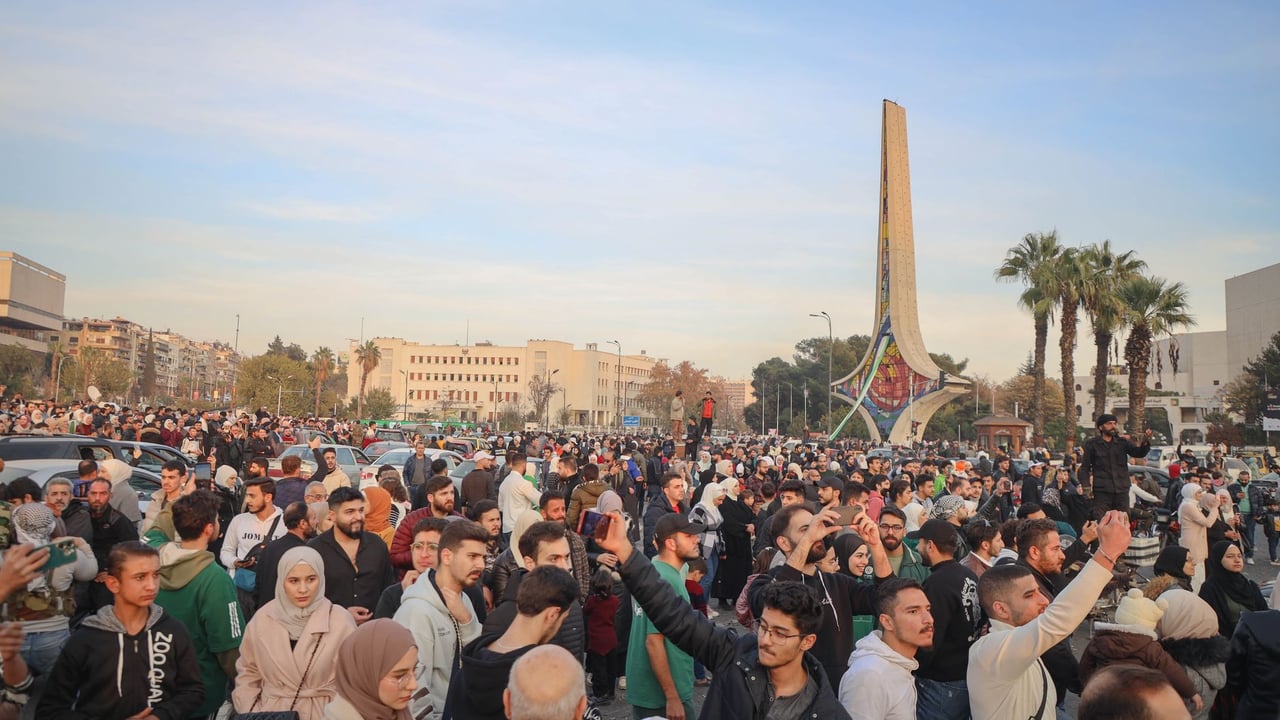
Large group of people gathered near iconic landmark in Damascus on a sunny day.

Key Takeaways

  • 1Two explosions occurred near the Syrian Ministry of Tourism in central Damascus, resulting in 1 fatality and 36 injuries.
  • 2The incident took place during an official visit by French President Emmanuel Macron, who was staying at a nearby hotel.
  • 3The French presidency confirmed that President Macron had safely departed the immediate vicinity before the blasts occurred.
  • 4The attack underscores the fragility of the Syrian government's security apparatus despite recent efforts to project stability.

Editor's
Desk

Strategic Analysis

The explosions in Damascus represent more than a localized security breach; they are a direct challenge to the 'normalization' narrative being pushed by regional and certain European powers. By targeting an area near the Ministry of Tourism during a high-profile visit by a Western head of state, the perpetrators have signaled that the Syrian state cannot guarantee the safety of even its most guarded guests. This incident will likely embolden critics of President Macron’s engagement strategy, arguing that any diplomatic outreach is premature until a comprehensive political settlement—and real security—is achieved. Moving forward, the Assad regime will likely use this as a pretext for further internal crackdowns, while the international appetite for Syrian reconstruction aid will likely remain suppressed due to high risk factors.

China Daily Brief Editorial
Strategic Insight
China Daily Brief

The twin explosions that rocked central Damascus on July 7 serve as a grim reminder that the Syrian capital’s facade of stability remains perilously thin. Occurring near the Ministry of Tourism, the blasts killed one person and injured dozens more, shattering a period of relative calm in a city that has spent years trying to project an image of post-war recovery.

The timing of the attack carries significant diplomatic weight, as French President Emmanuel Macron was in the city for a landmark state visit. While the French presidency confirmed that Mr. Macron had already departed his hotel—located in close proximity to the blast site—before the explosives were detonated, the breach underscores the persistent security failures that haunt the Assad government’s attempts to court international legitimacy.

France’s re-engagement with Syria represents a controversial pivot in European foreign policy, aimed at addressing regional migration flows and counter-terrorism cooperation. However, such violence complicates the narrative of a "pacified" Syria, suggesting that internal insurgent cells or shadow actors remain capable of striking the heart of the regime's high-security zones at will.

For the international community, the incident highlights the volatility of a conflict that is far from resolved, despite the shift from active frontlines to sporadic urban warfare. As Damascus seeks to rebuild its tourism sector and attract foreign investment, the proximity of these blasts to a government ministry sends a chilling message to prospective partners and returning diplomats alike.

Related Articles

📰
No related articles found