
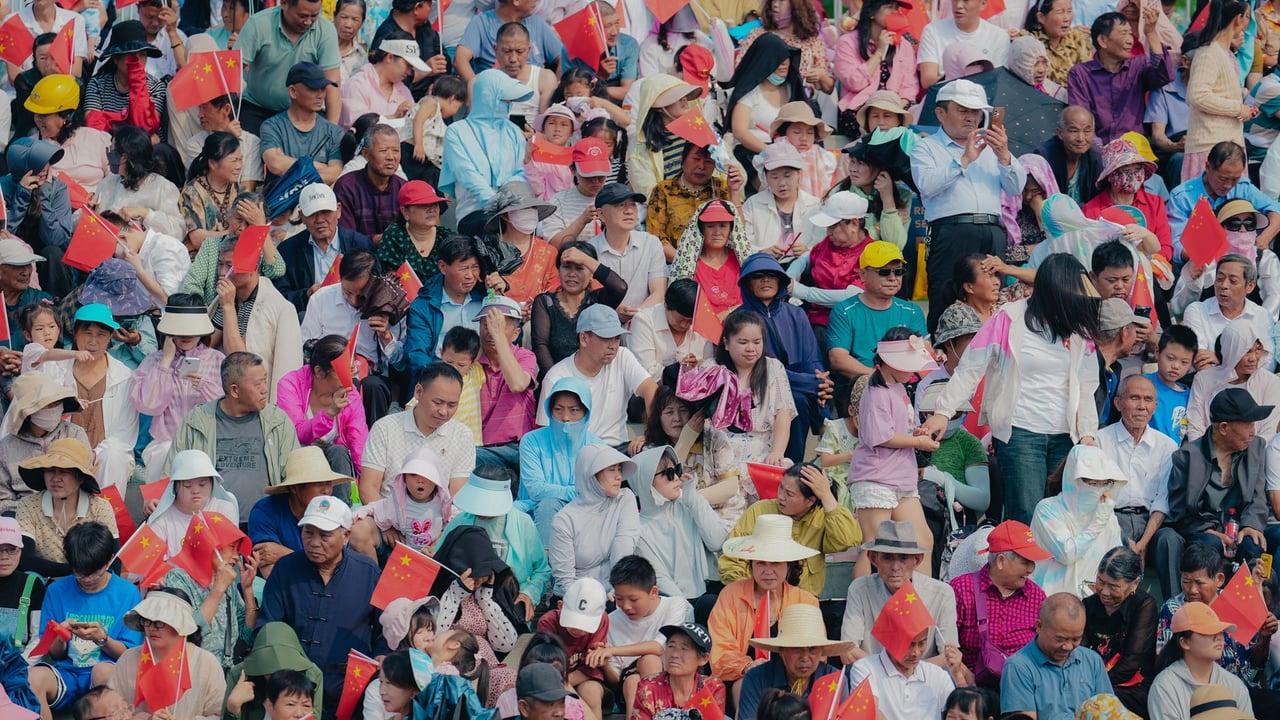

In the labyrinth of Chinese strategic thought, the most enduring lessons often emerge from periods of historical fragmentation. Xu Dong’s Northern Song Dynasty treatise, the Basics of Military Strategies and Tactics, offers a poignant reminder that victory is rarely a product of superior weaponry or clever positioning alone. Instead, it posits that the fundamental prerequisite for success is 'Ren He,' or the profound unity of the people.
While traditional military science acknowledges the importance of 'Tian Shi' (favorable timing) and 'Di Li' (geographic advantage), the Chinese philosophical tradition elevates human cohesion as the decisive element in any conflict. This hierarchy suggests that while weather and terrain provide the context for battle, the psychological alignment of the population and the military ranks provides the essential force. Without this internal synergy, even the most technologically advanced force is viewed as inherently fragile.
This emphasis on internal harmony serves as more than just a historical footnote; it remains a cornerstone of contemporary political and strategic doctrine. The modern Chinese leadership frequently draws upon these classical motifs to underscore the importance of social stability as a national security asset. By framing 'unity' as a military necessity, the state reinforces the idea that domestic cohesion is the primary shield against external pressures and systemic risks.
In an era characterized by hybrid warfare and intense economic competition, the ability to maintain a unified front is increasingly seen as the ultimate strategic deterrent. The logic suggests that military conflict is, at its core, a contest of human strength and collective will. Consequently, the pursuit of public support is not merely a matter of domestic policy, but a critical component of a broader geopolitical strategy to ensure resilience in the face of international turbulence.