

The world’s most elusive retail powerhouse is finally coming home—at least in financial terms. After a six-year odyssey that saw it flirt with listing in New York and London, Shein Global Holdings Limited has received the green light from the China Securities Regulatory Commission (CSRC) to pursue an initial public offering in Hong Kong. The filing reveals a plan to issue over 341 million shares, a move that signals a pragmatic retreat for a company that has spent years attempting to distance itself from its Chinese roots.
Shein represents a unique paradox in the global economy: a company that dominates the wardrobes of Western teenagers while remaining a ghost in its founding market. Despite its staggering $60 billion-plus valuation and a reach that rivals Amazon and Alibaba, the firm sells nothing within mainland China. Instead, it leverages the hyper-efficient garment supply chains of Guangzhou to fuel a digital storefront that ships directly to customers in the United States and Europe. This model has made its founder, Sky Xu (Xu Yangtian), one of the wealthiest men in China, even as he remains famously camera-shy.
The path to this IPO has been fraught with geopolitical and regulatory minefields. Initial ambitions for a blockbuster U.S. listing were derailed by a double-edged sword of scrutiny: Washington’s concerns over forced labor and supply chain transparency, and Beijing’s tightening grip on data security for firms listing abroad. A subsequent attempt to list in London, which initially saw warmth from UK regulators, reportedly stalled due to similar concerns regarding the firm’s ties to China and its labor practices.
Beyond regulatory hurdles, Shein faces an existential threat from shifting trade policies. For years, the company has capitalized on the 'de minimis' rule, which allows small-value packages to enter the U.S. duty-free. As Western lawmakers move to close these loopholes to protect domestic industry, Shein’s low-cost advantage is under siege. Furthermore, a persistent trail of copyright litigation—ranging from luxury brands like Zara to individual designers and even convenience store chains—continues to dog its expansion efforts.
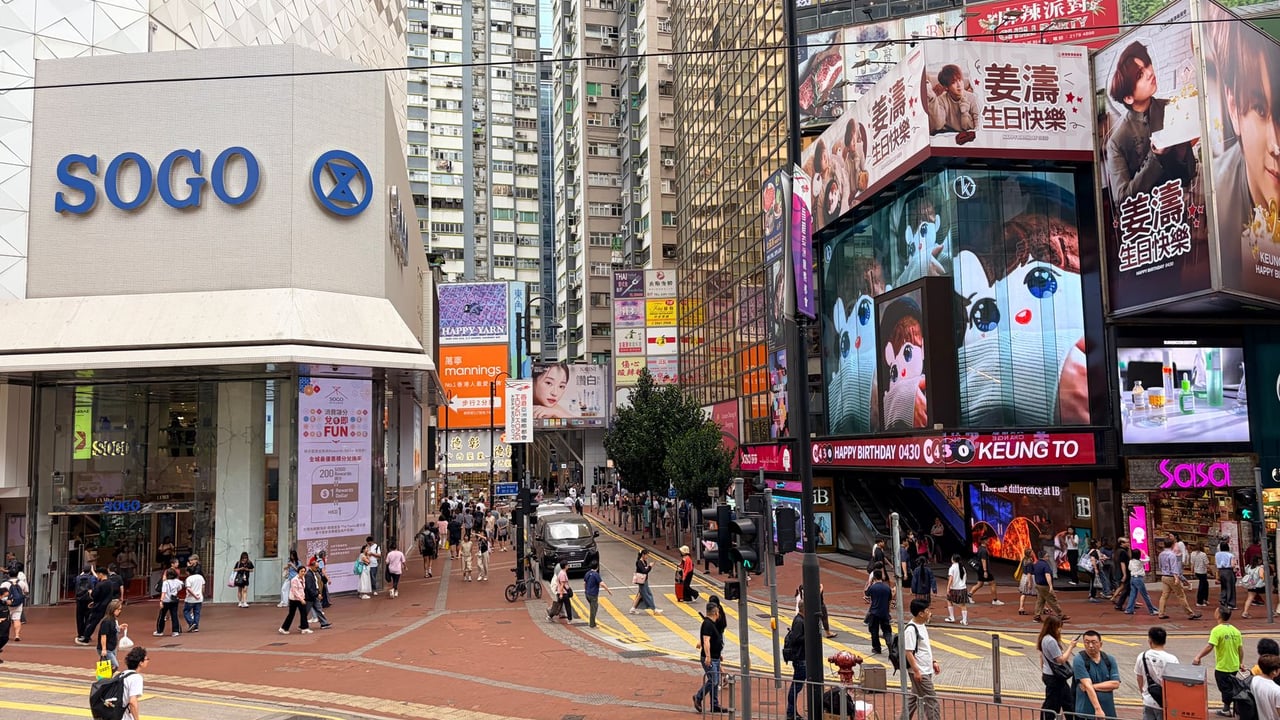
A Hong Kong listing represents a strategic compromise for Shein. While it may lack the prestige and liquidity of the New York Stock Exchange, Hong Kong provides a stable middle ground that satisfies both the CSRC’s oversight requirements and the company’s desperate need for a capital exit. For the global market, this IPO will serve as a definitive test of whether a 'de-sinicized' business model can survive the dual pressures of Western ESG standards and Chinese regulatory compliance.