

For the millions of consumers worldwide sipping on a jasmine latte from Luckin Coffee or a floral tea from Chagee, the scent of jasmine is a daily ritual. What few realize is that this global olfactory experience depends almost entirely on a single point of failure: Hengzhou, a small county in Guangxi, China. Known as the 'World Jasmine Capital,' this region accounts for a staggering 80% of China’s jasmine production and 60% of the global supply.
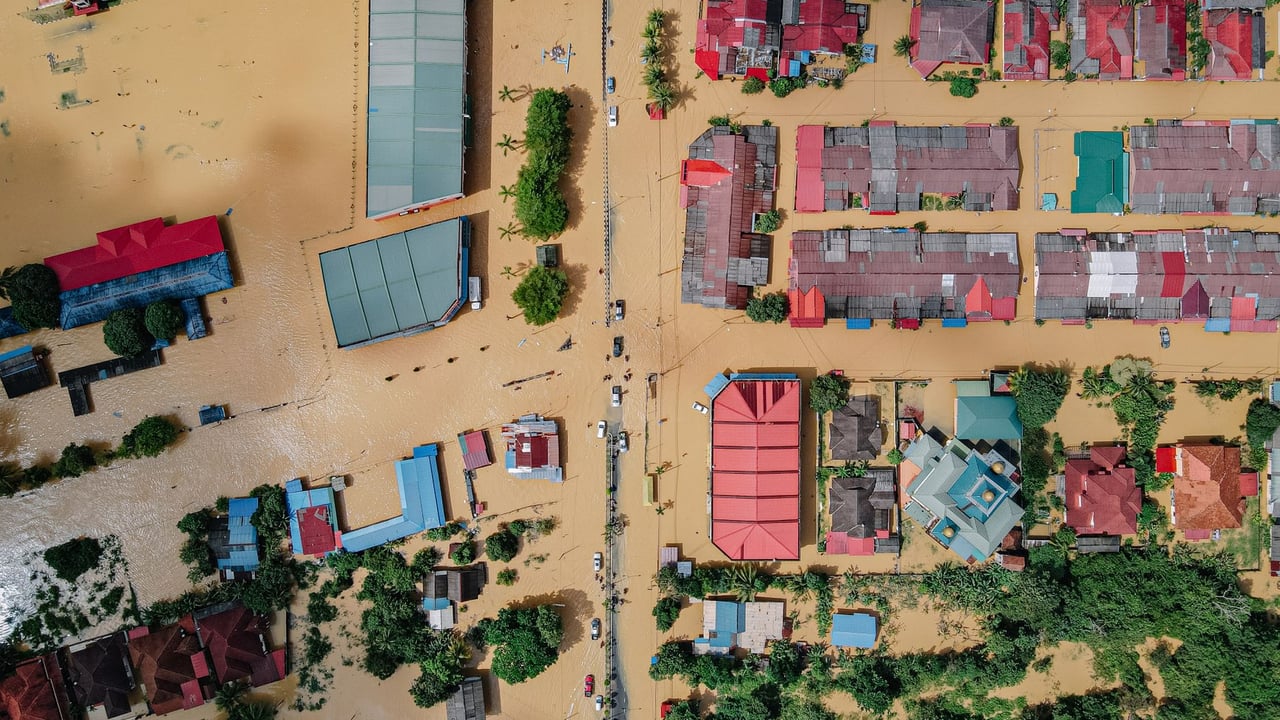
Recent torrential rains and floods triggered by Typhoon Maysak have turned this multibillion-dollar aromatic empire into a muddy wasteland. Multiple reservoirs reached capacity and breached their banks, submerging tens of thousands of acres of jasmine fields during the peak summer harvest. For the 330,000 farmers whose livelihoods depend on these white blossoms, the disaster is not just an agricultural loss but a systemic economic collapse.
Hengzhou’s dominance is the result of four decades of specialized industrial clustering. Since the 1980s, the region has leveraged its selenium-rich soil and subtropical climate to build a complete supply chain involving planting, processing, and global distribution. Today, the industry is worth approximately 19 billion RMB ($2.6 billion) annually, supplying everyone from traditional Beijing tea houses to modern beverage giants like Nongfu Spring and Mixue Bingcheng.
The immediate impact on the global consumer remains somewhat cushioned by the 'inventory-first' model used by major tea and coffee chains. These brands typically stockpile processed flowers during the peak season to ensure price stability throughout the year. However, the true crisis lies in the soil; jasmine roots rot quickly when submerged, and the current damage could take months to rehabilitate, potentially choking next year's output.
This disaster highlights the extreme vulnerability of highly specialized agricultural hubs in an era of climate volatility. While corporate giants can pivot to different suppliers or draw from deep inventories, the individual farmers have no such safety net. In Hengzhou, where the purchase price of fresh flowers plummeted by 70% in just three days following the floods, the fragrance of success has been replaced by the stench of stagnant water.
Beyond the tea cup, Hengzhou’s jasmine powers a massive secondary market of essential oils, perfumes, and cosmetics exported to over 70 countries. The disruption of this hub sends ripples through the global fragrance industry, proving that even the most modern supply chains are still at the mercy of localized weather events. The focus must now shift from simple industrial scaling to robust risk mitigation and climate-resilient infrastructure.