
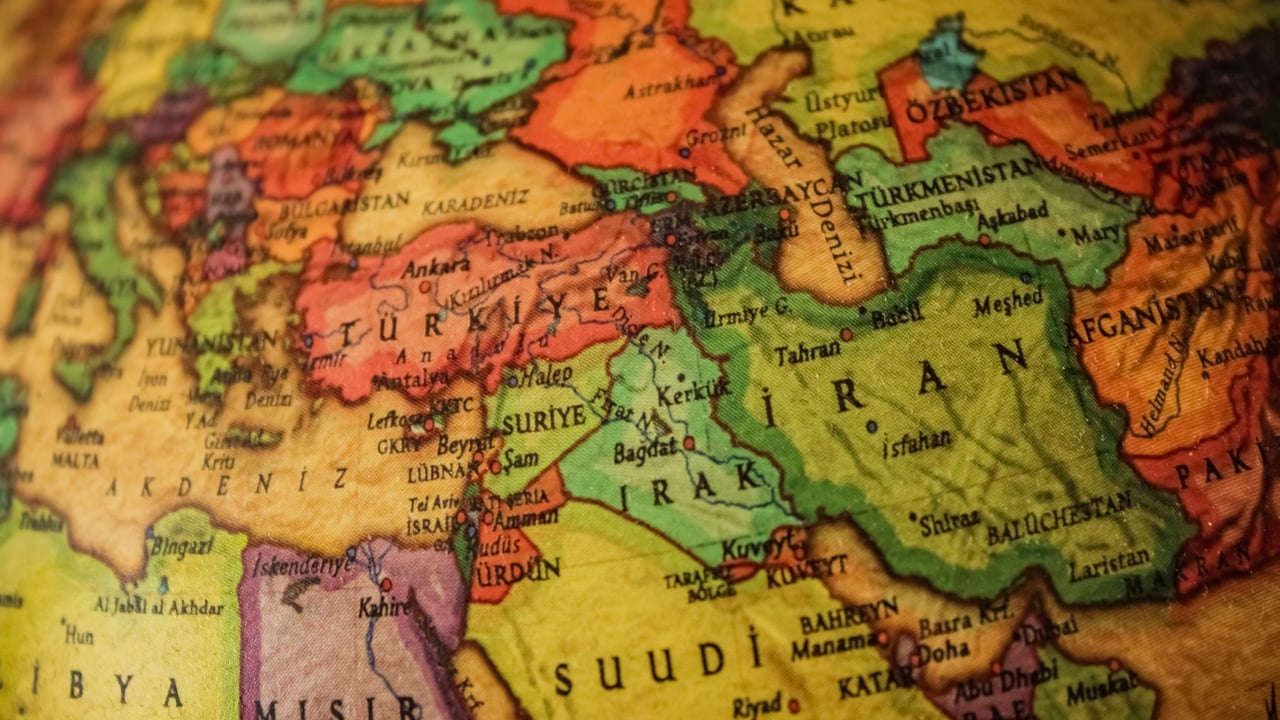

The geopolitical landscape of the Middle East has been jolted by a series of escalatory statements from Donald Trump regarding Iran's alleged plots against American leadership. In a stark ultimatum that shifts the paradigm of traditional deterrence, the former president claimed that one thousand missiles are currently locked onto Iranian targets, prepared for immediate deployment. This declaration signals a shift toward a policy where the survival of a foreign state is explicitly tied to the safety of individual U.S. officials.
The rhetoric stems from persistent intelligence reports suggesting that Tehran continues to seek retribution for the 2020 assassination of Qasem Soleimani. Trump’s latest warning suggests that any successful or attempted assassination would result in the total annihilation of the Islamic Republic within a single year. By quantifying the military threat with a specific number of missiles, the message aims to project a level of readiness intended to paralyze Iranian decision-making.
Contextually, this hardline stance is a continuation of the 'Maximum Pressure' campaign that defined the Trump administration's previous approach to the region. However, the specificity of the 'one-year' timeline for regime destruction adds a new, more volatile layer to the existing tensions. Critics argue this rhetoric bypasses diplomatic channels, while supporters see it as the only language the Iranian leadership respects in a high-stakes shadow war.
For global markets and regional allies, these developments increase the 'geopolitical risk' premium associated with the Persian Gulf. As the rhetoric intensifies, the margin for error narrows for both Washington and Tehran, raising the specter of a pre-emptive strike or a miscalculated retaliation. This personalized form of statecraft ensures that the friction between the two nations remains at a fever pitch, with little room for the de-escalation that many international observers had hoped for.