

The successful recovery of the Long March 10B rocket off the coast of Hainan marks a watershed moment for China’s aerospace sector, signaling the end of the American monopoly on reliable reusable launch vehicles. By executing a controlled vertical landing on a sea-based platform, the Long March 10B has validated a complex recovery sequence that positions China as only the second nation to master this critical technology. This achievement is not merely a technical triumph but a necessary prerequisite for Beijing’s ambitious lunar and commercial satellite goals.
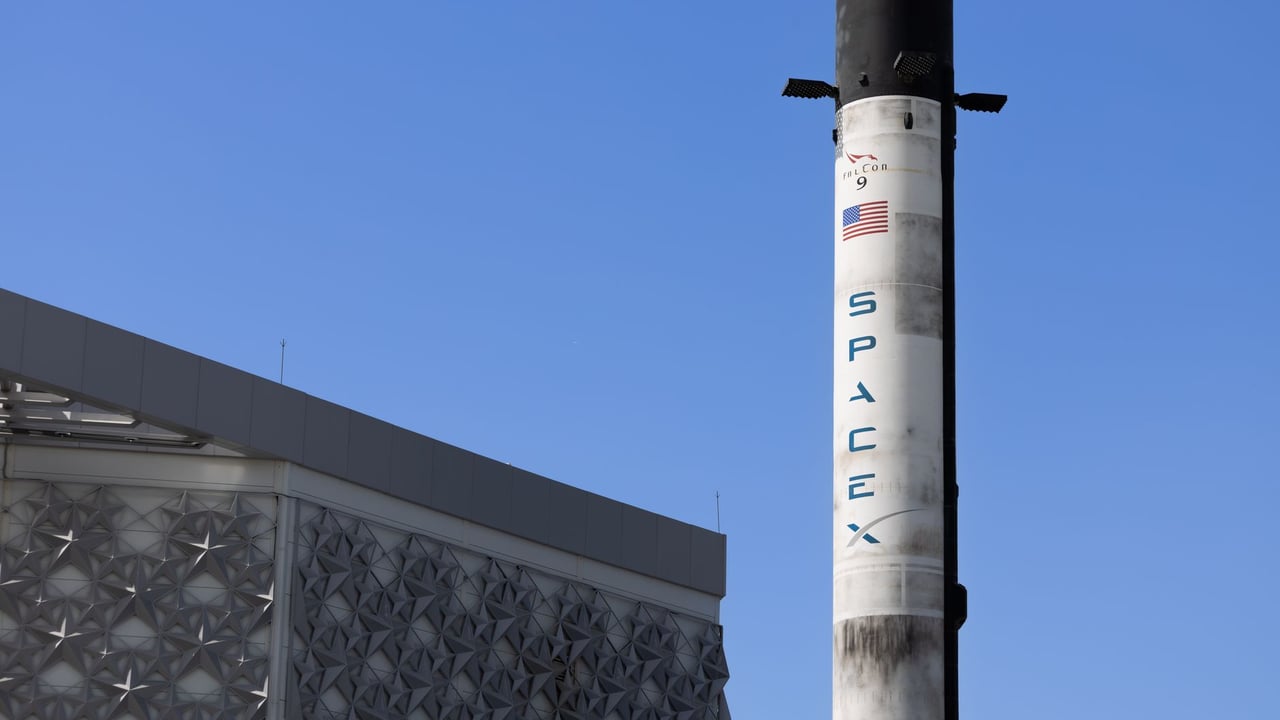
Unlike the iconic landing legs utilized by SpaceX’s Falcon 9, the Long March 10B employs a distinct 'net-based' recovery system. Using four specialized hooks to snag a mesh grid on the landing platform, Chinese engineers have successfully reduced the rocket’s onboard structural weight. This weight-saving measure directly translates to higher payload capacities, allowing for more efficient deployment of the massive low-Earth orbit constellations that China plans to launch in the coming years to rival Western systems.
While China celebrates this milestone, regional competitors are struggling to keep pace. Japan’s recent 'successful' test of a reusable vehicle reached an altitude of just 11 meters, a stark contrast to the orbital-scale recovery achieved by the Long March 10B. This disparity highlights the widening gap in the Asian space race, as China transitions from experimental low-altitude hovering to full-scale orbital recovery. The geopolitical implications are clear: China is rapidly maturing into a space power capable of sustained, low-cost access to the stars.
The commercial ramifications of this breakthrough are already reverberating through global financial circles. As China nears the threshold of mass-producing reusable boosters, the cost of satellite deployment is expected to plummet, attracting significant private capital to China’s 'New Space' startups. This shift comes at a time when established Western players face renewed pressure to justify their valuations. While figures like Elon Musk continue to project colonizing Mars within the decade, China’s steady, state-backed incrementalism is proving to be a formidable challenger in the lucrative commercial launch market.