
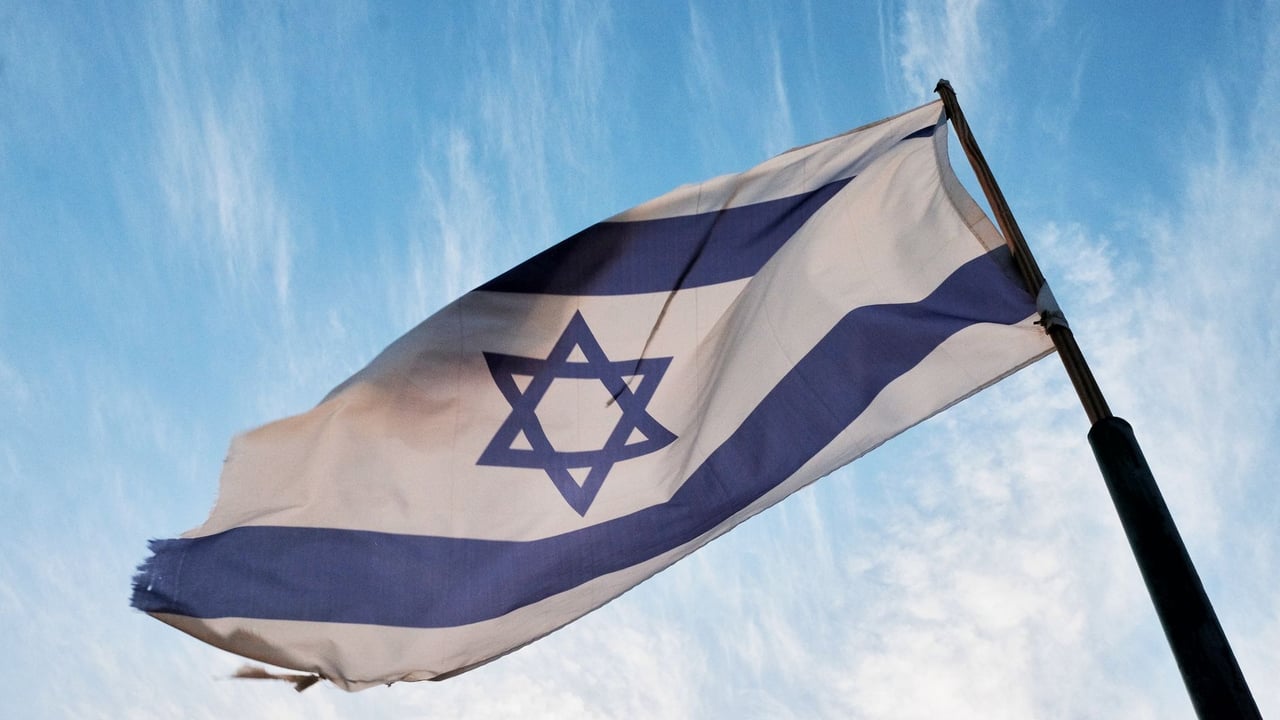

The delicate balance of Middle Eastern power has shifted toward a cautious de-escalation as Israel begins to reel in its military footprint in Southern Lebanon. At the direct behest of the United States, the Israeli government has instructed its defense forces to suspend 'sensitive' military operations. This strategic pause is not merely a localized truce but a calculated maneuver aimed at preventing a regional conflagration while Washington manages its own escalating military friction with Iran.
This cooling of tensions follows a framework agreement brokered in Washington last June, marking a rare moment of diplomatic synchronization between Tel Aviv and Beirut. As part of this arrangement, the Israeli military is slated to withdraw from two specific sectors of its designated 'security zone' in Southern Lebanon as early as next week. The withdrawal serves as a tangible confidence-building measure ahead of a critical new round of negotiations scheduled to convene in Rome.
The White House's insistence on Israeli restraint underscores a growing concern that any tactical miscalculation in Lebanon could inadvertently force the United States into a broader conflict it is currently desperate to avoid. By tethering Israel’s military ambitions to the state of U.S.-Iranian relations, Washington is effectively prioritizing regional stability over the total fulfillment of Israel’s immediate border security objectives.
As the theater of operations moves from the battlefield to the diplomatic suites of the Italian capital, the success of this de-escalation remains precarious. The ongoing directive for military restraint remains 'until further notice,' leaving the door open for a resumption of hostilities should the Rome talks falter or if the shadow war between Washington and Tehran takes a more aggressive turn.