

In a flurry of high-stakes telephone diplomacy, Pakistani Prime Minister Shehbaz Sharif has positioned Islamabad as a critical guarantor of regional equilibrium. On the evening of July 10, Sharif engaged in separate dialogues with Iranian President Masoud Pezeshkian and the Emir of Qatar, Sheikh Tamim bin Hamad Al-Thani, emphasizing the urgent need for restraint in a Middle East currently reshaped by the death of Iran’s Supreme Leader, Ayatollah Khamenei.
The centerpiece of Sharif’s message was a clarion call for the full implementation of the U.S.-Iran Memorandum of Understanding (MOU). While the specifics of this accord remain a subject of intense global scrutiny, Islamabad’s insistence on its fulfillment suggests that the agreement is the primary mechanism preventing a broader regional conflagration. Sharif’s plea for 'maximum restraint' highlights the fragility of the current peace, which remains vulnerable to domestic transitions in Tehran and external military provocations.
For Iran, the recognition from Pakistan comes at a sensitive time of internal transition following the burial of the late Supreme Leader. President Pezeshkian’s appreciation for Pakistan’s constructive role indicates that Tehran still views Islamabad as a vital backchannel to the West and a stabilizing force among neighboring Islamic states. By reaffirming its commitment to the MOU, Iran appears to be signaling a desire for continuity rather than a radical shift toward aggression in its post-Khamenei era.
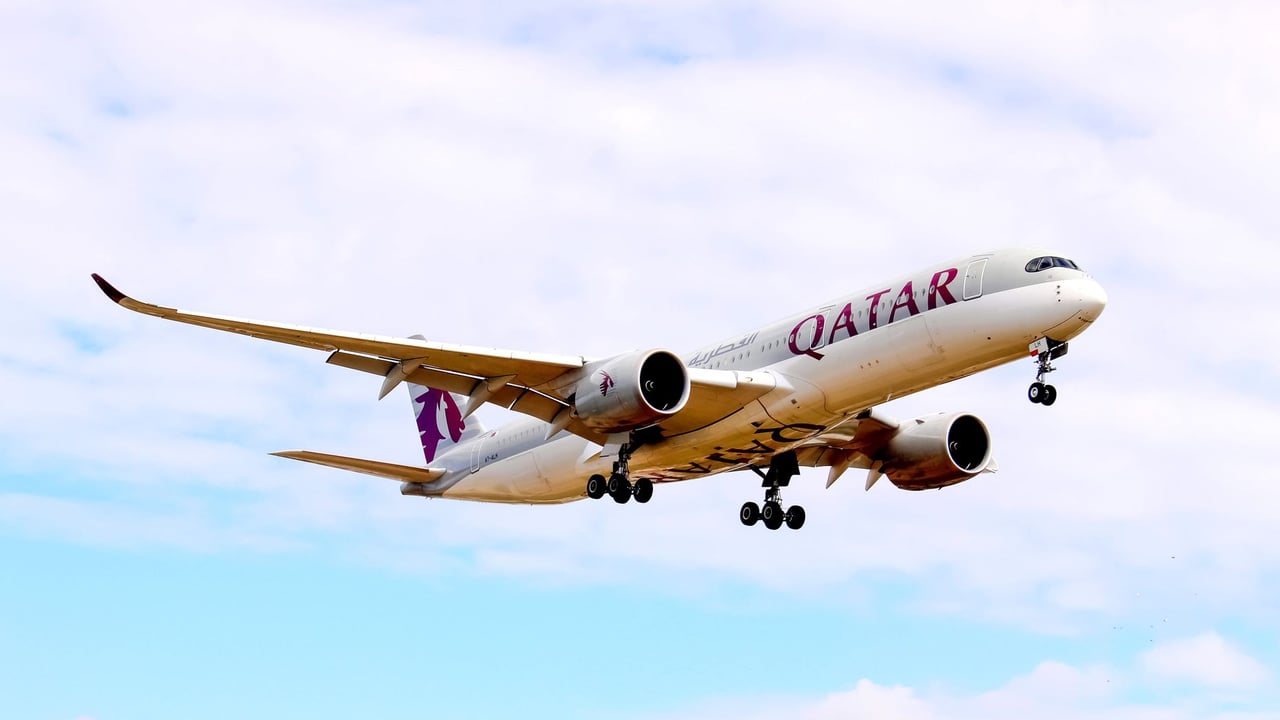
Simultaneously, Pakistan’s solidarity with Qatar following recent attacks underscores a deepening security nexus between Islamabad and Doha. Both nations have converged on a strategy of 'diplomatic contact' over military posturing, reinforcing a regional bloc that favors the status quo. This diplomatic offensive by Sharif serves a dual purpose: it secures Pakistan’s western borders and ensures that its energy-rich partners in the Gulf remain stable enough to support Pakistan’s own precarious economic recovery.