Beyond the Frontline: China’s Armed Police Sharpen Chemical Defense Capabilities in Tianjin Drills

The People’s Armed Police in Tianjin recently conducted comprehensive chemical defense drills focusing on agent identification and decontamination. The exercises reflect a broader strategic push to enhance the PAP's ability to handle unconventional security threats and industrial disasters.

Share
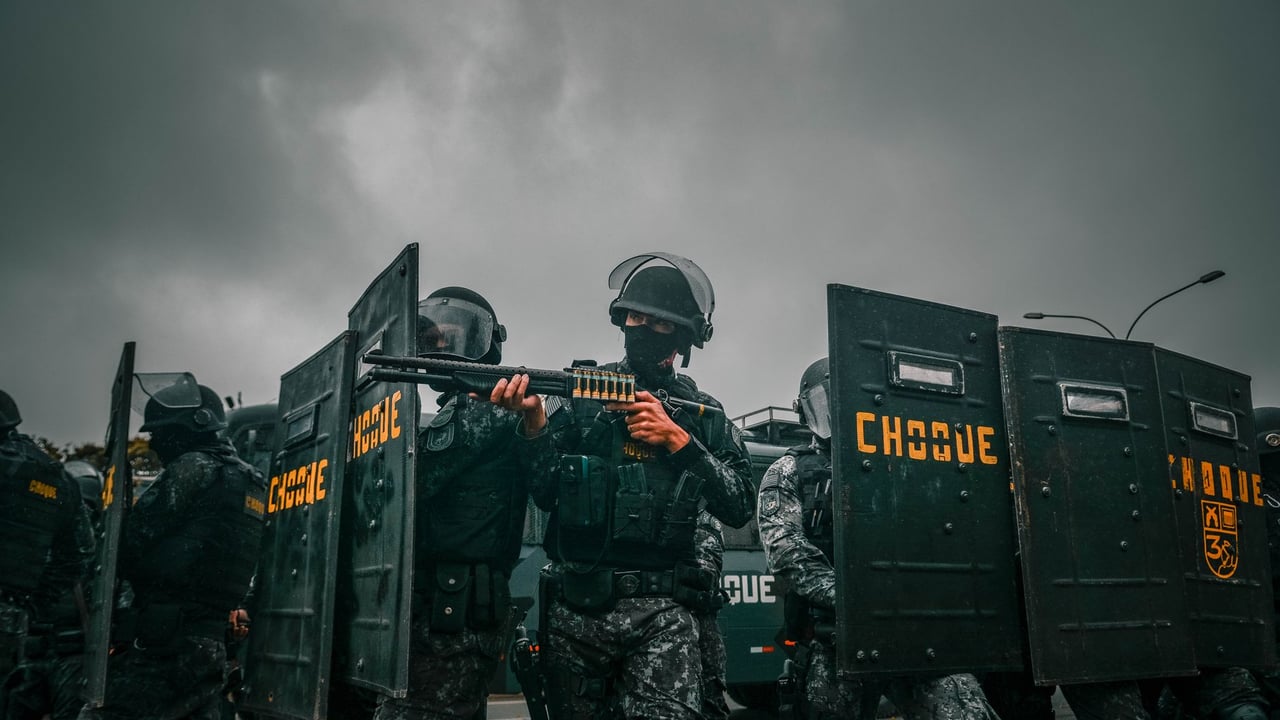
Riot police in tactical gear holding shields during a stormy protest.

Key Takeaways

  • 1The Tianjin PAP Corps conducted full-process chemical defense simulations during recent field training.
  • 2Exercises prioritized toxic agent identification, area decontamination, and individual personnel cleansing.
  • 3The drills emphasize 'real-world' readiness over scripted maneuvers to improve emergency response times.
  • 4The focus on NBC capabilities aligns with China’s wider military modernization and national security objectives.

Editor's
Desk

Strategic Analysis

The significance of these drills extends beyond routine training; they are a direct reflection of China's 'Total National Security' concept. By training PAP units in Tianjin—a major industrial and port hub with a history of catastrophic chemical incidents—Beijing is signaling a heightened focus on high-consequence risk management. Strategically, the professionalization of NBC units within the PAP suggests that these forces are no longer just 'riot police' but are being integrated into a more sophisticated military framework capable of supporting the PLA in diverse scenarios, including hybrid warfare where chemical or industrial hazards may be weaponized or naturally occurring.

China Daily Brief Editorial
Strategic Insight
China Daily Brief

The People’s Armed Police (PAP) Tianjin Corps has concluded a series of high-intensity field exercises focused on Nuclear, Biological, and Chemical (NBC) defense. These maneuvers, characterized by a 'full-process' simulation, highlight the force's transition from traditional internal security to a specialized role capable of handling complex, unconventional threats in modern combat environments.

The drills centered on the rapid identification of toxic agents and the rigorous decontamination of both personnel and tactical zones. By testing these capabilities under realistic field conditions, the PAP aims to bridge the gap between theoretical training and real-world emergency response, particularly in high-density urban or industrial sectors where chemical hazards are a persistent risk.

This modernization of chemical defense units is part of a broader mandate from Beijing to ensure the armed forces are 'battle-ready' across all domains. While the PAP is primarily tasked with maintaining domestic stability, its increasing proficiency in NBC protocols suggests a dual-purpose capability: responding to industrial disasters at home and supporting military operations in contaminated environments abroad.

The inclusion of personal self-decontamination (self-cleansing) protocols in the exercise points toward an emphasis on individual survivability. As the regional security landscape becomes more complex, the ability of low-level units to operate independently in compromised zones is seen as a critical component of China's overall national defense strategy.

Related Articles

📰
No related articles found