
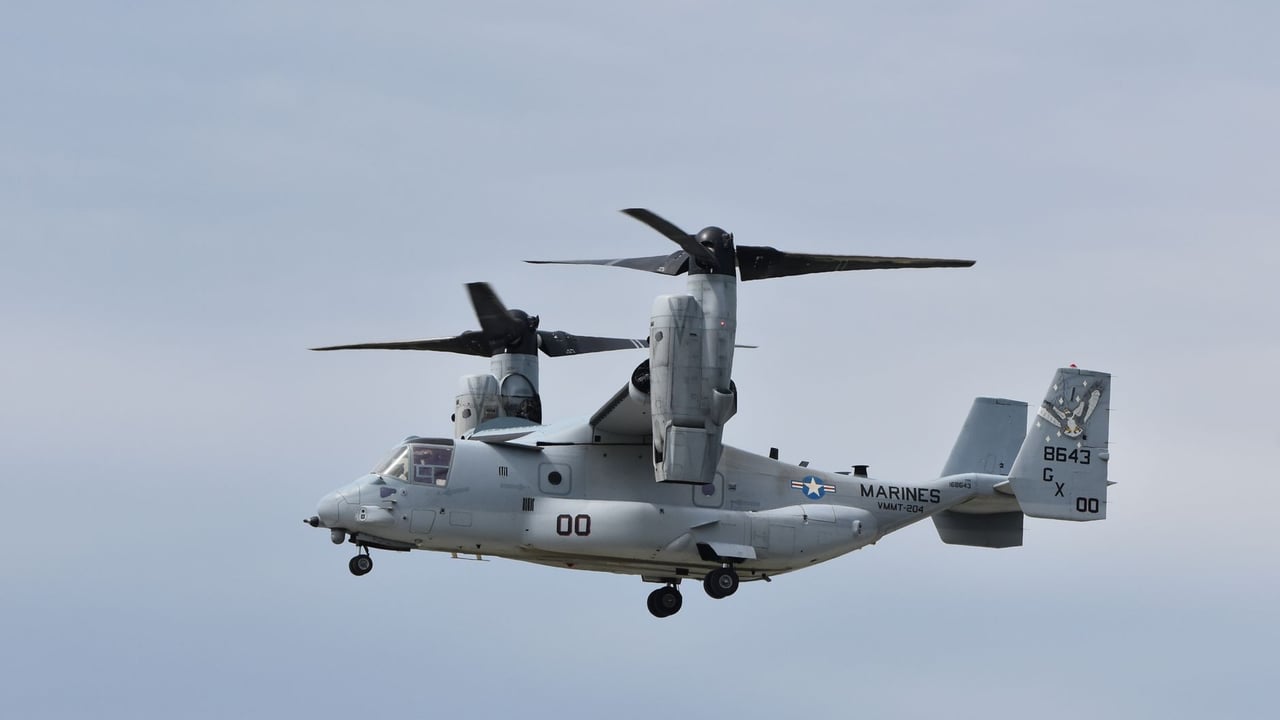

One year since the Japan Ground Self-Defense Force (JGSDF) first stationed the V-22 Osprey at its Saga Garrison, the tilt-rotor aircraft has become a permanent, if unwelcome, fixture of the local landscape. Data released by the Kyushu Defense Bureau reveals that the aircraft conducted approximately 3,300 take-offs and landings at the adjacent Saga Airport between July last year and June this year.
For Tokyo, the deployment is a critical component of its "Southwest Wall" defense strategy, designed to bolster rapid-response capabilities in the East China Sea. However, for the residents of Saga Prefecture, the frequent operations serve as a constant reminder of the friction between national security priorities and local livelihoods. Residents have voiced increasing frustration over noise pollution and the potential for military activities to disrupt the regional fishing industry.
Beyond environmental concerns, a deeper anxiety persists regarding the Osprey’s safety record. Since its inception, the aircraft has been involved in numerous fatal incidents, claiming the lives of over 50 U.S. service members. The memory of a November 2023 crash off Yakushima, which resulted in eight fatalities, remains a primary driver of local resistance and distrust toward the platform’s reliability.
As the JGSDF continues to integrate these versatile machines into its operational fleet, the Japanese government faces a delicate balancing act. While the Osprey’s ability to take off like a helicopter and fly like a plane is vital for island defense, the political cost of local alienation remains high. Bridging this trust gap is essential for the long-term sustainability of Japan’s military posture in its increasingly contested southern maritime frontiers.