
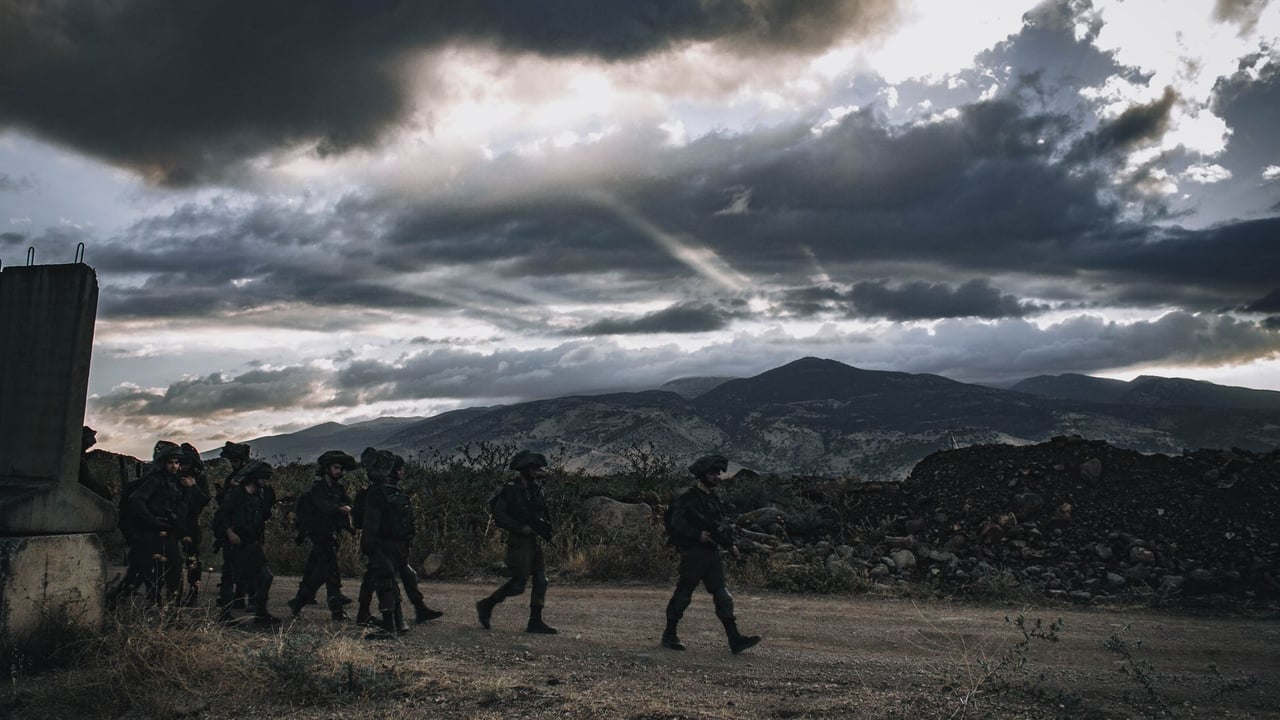

The Middle East stands at a critical juncture as the shadow of a wider war looms over the Persian Gulf. In the wake of a volatile week of missile exchanges, a familiar yet fraying alliance is under significant strain. While Israeli Prime Minister Benjamin Netanyahu has reportedly expressed a fervent desire to join U.S. military operations against Iran, the Trump administration remains strikingly wary. Washington’s reluctance stems from a deepening fear that Israeli involvement could catalyze an irreversible slide into a regional conflagration that no one is prepared to manage.
The current crisis escalated rapidly following U.S. strikes on July 7 and 8, 2026, launched in retaliation for Iranian interference with commercial shipping in the Strait of Hormuz. Tehran’s response was swift and geographically expansive, targeting American facilities across Bahrain, Kuwait, Qatar, and Jordan with a sophisticated mix of drones and missiles. This horizontal escalation has placed the region on its most precarious footing in years, testing the limits of American deterrence and Israeli patience.
For the White House, the strategic priority appears to be the containment of hostilities rather than a decisive military victory that could dismantle the Iranian regime. Reports indicate that President Trump is currently favoring a restoration of maritime blockades as a punitive measure, viewing it as a lower-risk alternative to a full-scale air campaign. This cautious approach marks a notable divergence from the more hawkish expectations within the Israeli defense establishment, which views the current chaos as a window to degrade Iran’s capabilities.
Despite the political friction, military coordination between the two allies remains seamless. The Israeli Air Force and intelligence services have transitioned to a state of maximum readiness, maintaining constant communication with U.S. Central Command. However, the decision-making process in Washington remains the ultimate bottleneck. For Israel, the prospect of a multi-day conflict is not a deterrent but an opportunity to settle long-standing security scores, provided the U.S. provides the necessary diplomatic and operational cover.