

For decades, the Strait of Hormuz has served as the world’s most sensitive energy choke point, a narrow corridor where geopolitical friction meets twenty percent of the global daily oil supply. While the heat of the desert sun is constant, the rising temperature of rhetoric between Washington and Tehran often threatens to boil over into a global economic crisis. However, beneath the surface of these recurring tensions, a more permanent and physical shift in power is taking place through the construction of massive energy infrastructure.
Recent pronouncements regarding the collapse of diplomatic agreements have once again sent oil markets into a frenzy, with Brent and West Texas Intermediate prices spiking in response to the specter of military action. Tehran has characteristically responded by brandishing its most potent threat: the closure of the Strait. Yet, this traditional leverage is rapidly losing its potency as the strategic landscape of 2026 shifts away from naval dominance and toward terrestrial bypasses.
While the world watches naval maneuvers and rhetorical volleys, Saudi Arabia and the United Arab Emirates have been quietly executing a multi-billion dollar strategic pivot to bypass the waterway entirely. These regional powers have learned from past crises that reliance on a single, vulnerable maritime exit is a liability they can no longer afford. Their quiet expansion of energy export capacity is far more significant than the noisy threats emanating from Tehran.
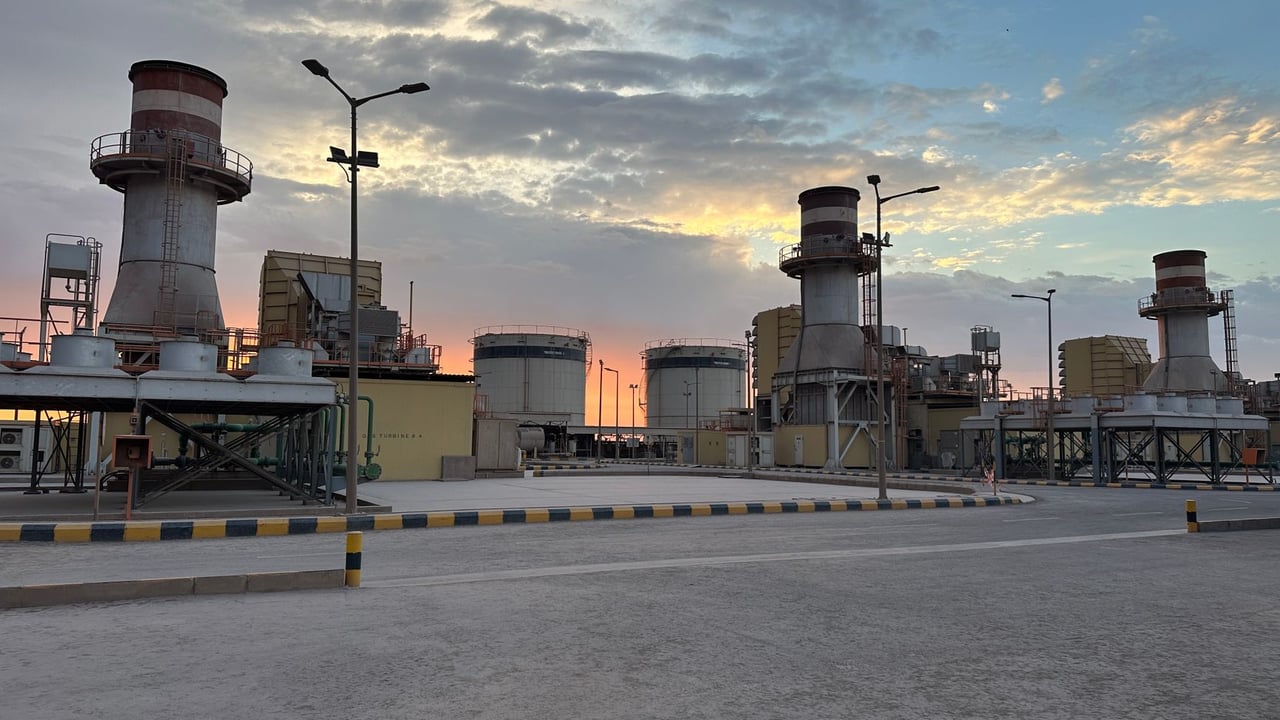
Riyadh has aggressively expanded its East-West pipeline capacity to seven million barrels per day, creating a massive terrestrial artery that reaches the Red Sea far from the reach of the Iranian navy. Simultaneously, the UAE is accelerating construction on its own bypass routes, aiming for a throughput of 3.6 million barrels per day. These projects are designed to ensure that even if the Strait of Hormuz were to be completely obstructed, their energy exports could continue relatively unabated.
This infrastructure shift leaves Tehran in an increasingly precarious position. Its primary strategic leverage—the ability to disrupt the global oil market—is eroding as its neighbors build around it. Without the capital or diplomatic freedom to construct its own bypass infrastructure due to crippling international sanctions, Iran risks becoming the warden of an increasingly empty prison, holding the keys to a gate that more and more travelers no longer need to use.
The regional fallout, however, is not uniform; countries like Iraq, Kuwait, and Qatar remain dangerously exposed. Qatar, in particular, remains tethered to the Strait due to its heavy reliance on Liquified Natural Gas tankers, making its massive energy investments hostage to the stability of the very waters its neighbors are abandoning. This creates a new hierarchy of vulnerability within the Gulf, separating those with "Plan B" infrastructure from those without.
For Beijing, this restructuring of Gulf energy flows presents both a challenge and an immense opportunity. As a primary destination for Middle Eastern crude, China has a vested interest in the success of these terrestrial bypasses and is positioning its state-owned enterprises to dominate the construction and management of this new infrastructure. In the cruel game of international politics, the power to build the pipes often equates to the power to control the economic narrative of the future.