
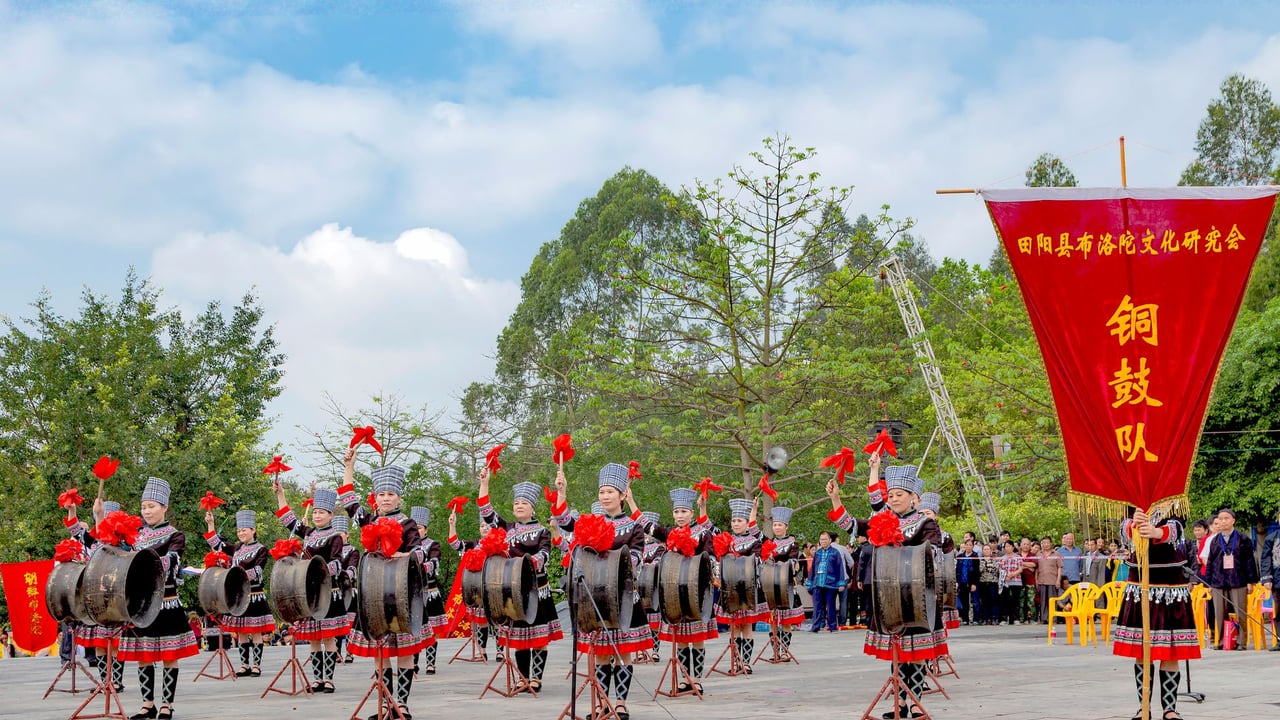

The streets of Guigang, Guangxi, recently became a theater of high-stakes emotional performance as local residents gathered to bid farewell to departing units of the People’s Liberation Army (PLA). As the rhythmic strains of "Ode to the Motherland" filled the air, the scene—replete with tears and waving flags—served as a visceral reminder of the "military-civilian unity" that remains a cornerstone of Chinese Communist Party (CCP) governance.
Such public displays are rarely spontaneous in the digital age, yet they carry profound weight in the domestic narrative. For the residents of Guangxi, a region often grappling with the dual pressures of economic development and environmental vulnerability, the PLA represents the state’s most visible tool for disaster relief and security. By framing these departures as tearful community events, the state reinforces the "Fish and Water" metaphor, suggesting that the army cannot survive without the people, and the people are protected by the army.
The timing of this event, occurring in mid-July, likely coincides with the conclusion of seasonal flood-relief operations or regional military exercises near China’s southern borders. In these contexts, the PLA is positioned not just as a combat force, but as a benevolent savior, a narrative that is meticulously documented and disseminated by state-aligned media outlets to foster a sense of national belonging.
In a broader strategic sense, these choreographed moments of patriotism serve to inoculate the public against external pressures. As geopolitical tensions simmer, the CCP relies on these displays to cultivate a resilient national identity. This ensures that the grassroots population remains tethered to the military's mission and the Party's leadership, creating a unified domestic front that is essential for long-term political stability.