
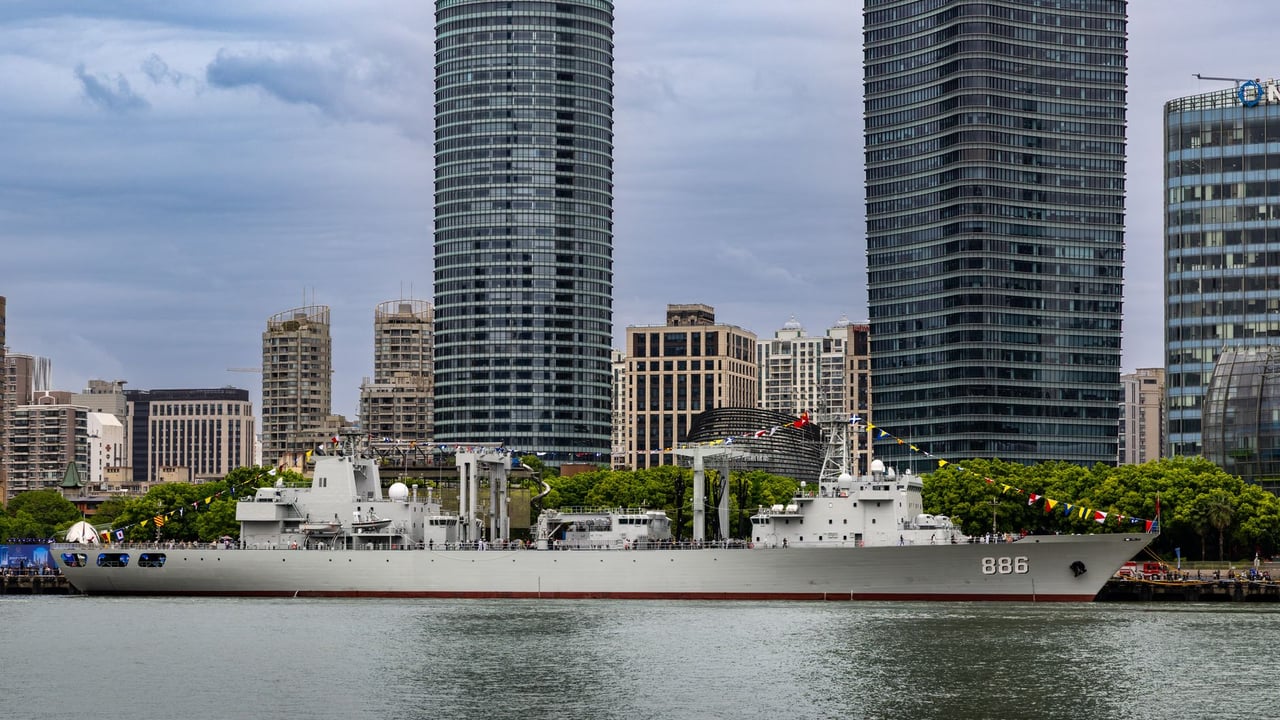

The conclusion of the "Joint Sea-2026" naval exercises on July 11 marks a significant milestone in the evolving military partnership between Beijing and Moscow. Moving beyond the ceremonial displays of the past, this year's maneuvers focused on high-stakes scenarios including anti-missile defense, surface strikes, and sophisticated submarine rescue operations.
Unlike previous iterations, the 2026 drills scrapped pre-planned scripts in favor of dynamic engagements dictated by real-time battlefield conditions and hydrographic data. This shift suggests a growing confidence in bilateral coordination and a desire to test commanders under the stresses of modern, unpredictable warfare within complex electromagnetic environments.
The exercise utilized a "mixed grouping" model, blending Chinese and Russian assets into unified command structures across air, sea, and sub-surface domains. By leveraging multiple platforms to build an integrated combat system, the two navies effectively tested their joint reconnaissance, early warning, and precision strike capabilities against simulated high-tech adversaries.
Since its inception in 2012, the "Joint Sea" series has served as a barometer for the strategic alignment between the two powers. The heavy involvement of elite submarine units and specialized rescue vessels in this latest round highlights a transition from surface-level cooperation to sophisticated, multi-dimensional naval warfare that spans from the sky to the seabed.