

The Chinese equity market is entering a decisive phase as the liquidity-driven momentum of early 2026 faces the cold reality of mid-year earnings season. Last week’s broad retreat across major indices—with the tech-heavy ChiNext sliding over 4%—signals a tactical shift in investor sentiment. While macroeconomic indicators like the 1% CPI growth suggest stable internal demand, the focus is rapidly pivoting from central bank largesse to fundamental corporate performance.
The People’s Bank of China (PBOC) has signaled a more cautious stance, describing the external environment as increasingly complex and volatile during its latest quarterly meeting. To stabilize the ship, the central bank injected a significant one-trillion-yuan through reverse repos, ending a three-month streak of scale-backs. This proactive liquidity management aims to buffer the market against external shocks, including renewed geopolitical tensions in the Strait of Hormuz and diverging interest rate signals from the U.S. Federal Reserve.
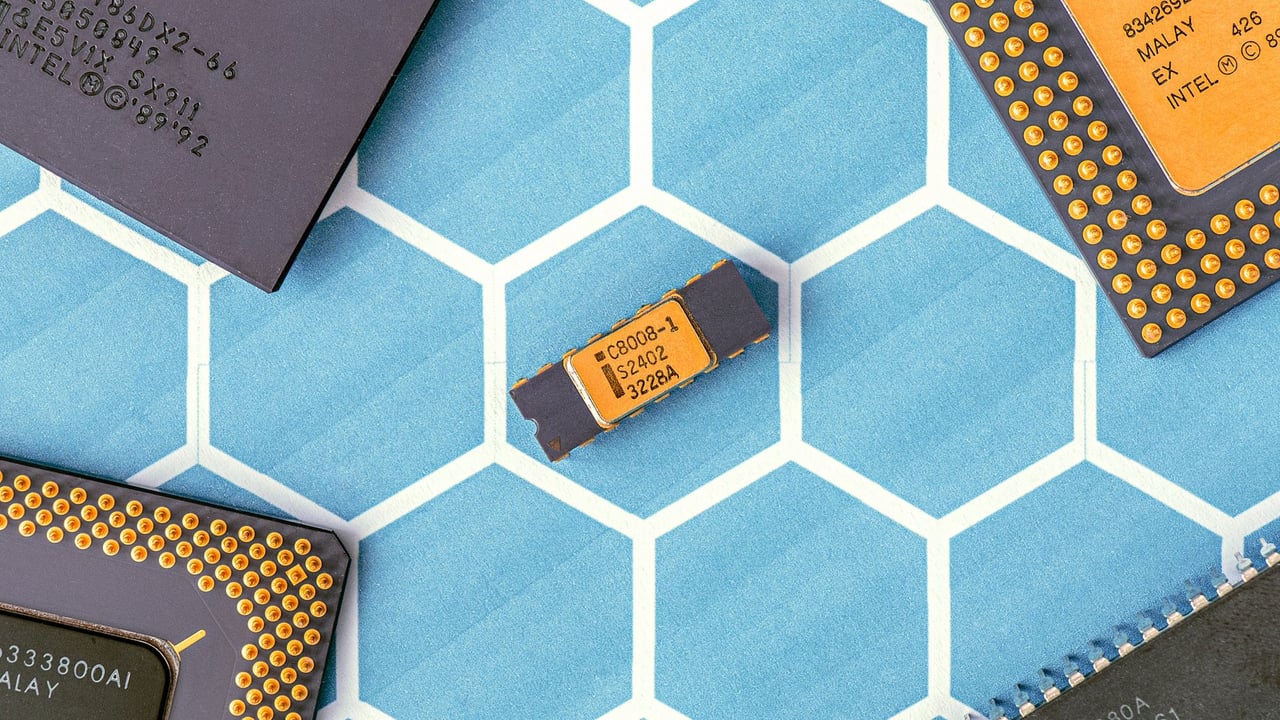
Technological self-reliance remains the primary narrative for domestic bulls, underscored by the landmark IPO of DRAM giant Changxin Technology. As the largest listing of the year on the STAR Market, Changxin is set to become a barometer for the semiconductor sector's commercial viability. The market is betting that the transition from valuation-based speculation to earnings-backed growth will be spearheaded by these domestic champions, particularly as AI-driven demand trickles down to storage and power management hardware.
Simultaneously, the healthcare and aerospace sectors are providing new structural support for the economy. The first update to the National Essential Medicine List in eight years has cleared the way for domestic innovative drugs to achieve mass-market scale, signaling a shift toward 'quality' over 'quantity' in pharma. Meanwhile, the successful sea-based recovery of the Long March 10B rocket marks a breakthrough in launch economics, transitioning China’s commercial space ambitions from high-cost strategic projects to cost-competitive industrial realities.
Despite these long-term structural wins, short-term valuation pressures remain acute with major indices trading at the higher end of their five-year P/E percentiles. The market is currently characterized by a flight to quality, where large-cap indices like the CSI 50 outshine the more volatile small-cap sectors. Investors are now navigating a 'survival of the fittest' landscape where only those companies capable of delivering robust mid-year results will likely withstand the ongoing volatility.