
# Asymmetric%20Warfare
Latest news and articles about Asymmetric%20Warfare
Total: 57 articles found

The Fog of Asymmetric War: Washington Splits Over Iran’s Strategic Gains
Representative Seth Moulton has challenged President Trump's claims of military success against Iran, asserting that Tehran is gaining a strategic advantage despite U.S. tactical wins. Moulton highlighted the recent downing of two U.S. aircraft as evidence that Iran's air defenses remain a potent threat, contradicting White House assertions of their total destruction.

The Iranian Gambit: Assessing the Strategic Risks of a US Ground Incursion
Recent US military deployments to the Middle East have sparked debate over potential ground missions in Iran, ranging from coastal seizures to nuclear facility raids. Experts warn that while the US maintains tactical superiority, Iran's strategy of asymmetric attrition and the high domestic political cost of casualties pose significant risks to a successful outcome.

Iran’s Stranglehold: Why the Strait of Hormuz Remains Trump’s Unsolvable Puzzle
U.S. intelligence warns that Iran will maintain its strategic control over the Strait of Hormuz to pressure the Trump administration. The combination of Iran's asymmetric military advantages and a growing diplomatic rift between the U.S. and its European allies has left Washington with few viable options to reopen the waterway.

A Blind Spot in the Desert: Iranian Strike Cripples US Airborne Command Assets
Recent reports confirm that an Iranian strike on Saudi Arabia's Prince Sultan Air Base destroyed two U.S. E-3 AWACS aircraft rather than one. This significant loss of strategic surveillance and command assets exposes vulnerabilities in U.S. regional base defenses and degrades long-term aerial monitoring capabilities.

Diminishing Returns: The Costly Obsession with the Pentagon’s Aging Tomahawk Arsenal
The U.S. military is facing scrutiny for spending millions on life-extension contracts for aging Tomahawk missiles despite rising reports of failure and the availability of cheaper drone alternatives. As maintenance costs per unit approach initial procurement prices, the strategic value of these legacy systems is being questioned in the face of new, low-cost asymmetric technologies.
The Strait of Hormuz: A Tipping Point in the US-Iran Maritime Tug-of-War
This report examines the shifting power dynamics in the Strait of Hormuz, where Iran's asymmetric capabilities are increasingly challenging traditional U.S. naval dominance. As regional alliances diversify, the battle for control over this critical energy chokepoint has moved into a complex phase of strategic denial and psychological warfare.
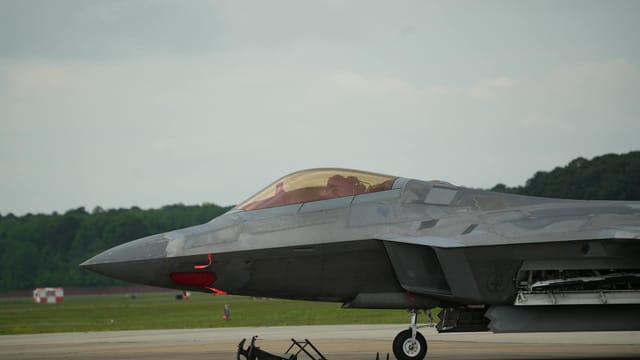
Tehran’s Red Line: Iran Issues Drastic Warning Against US Ground Incursion
Iran's military leadership has issued a stark warning against a potential U.S. ground invasion, promising a brutal response to any territorial aggression. The rhetoric, amplified by Chinese state media, underscores a hardening stance in Tehran designed to deter American military intervention through the threat of high-casualty asymmetric warfare.

The Low-Cost Lever: Why Sea Mines Remain the Ultimate Threat to the Strait of Hormuz
Chinese military expert Du Wenlong identifies sea mines as the most cost-effective and dangerous tool for blockading the Strait of Hormuz. The strategy relies on the high cost of de-mining and the immediate economic paralysis caused by the mere threat of maritime explosives.

Academic Fortresses: Middle East Universities Retreat Online Amid Iranian Ultimatum
Leading American-affiliated universities in Lebanon and Jordan have suspended in-person operations following direct threats of retaliation from Iran's Islamic Revolutionary Guard Corps. The shift to online learning comes as Tehran designates academic institutions as legitimate targets in its ongoing conflict with the U.S. and Israel.

The Houthi Gambit: How Yemen’s Entry Into Regional Conflict Amplifies Iran’s Strategic Reach
The Houthi movement's entry into the regional war significantly expands Iran's strategic depth and creates a multi-front challenge for its adversaries. This development leverages Yemen's geography and advanced asymmetric weaponry to threaten both regional stability and global maritime trade routes.

The Merkava’s Nightmare: Hezbollah’s Tactical Evolution and Israel’s Strategic Paralysis
A devastating ambush in Southern Lebanon resulting in the loss of 21 Israeli Merkava tanks highlights Hezbollah's tactical evolution into a sophisticated military force. This event has placed the Israeli government in a strategic bind, questioning the future of traditional armored warfare in asymmetric environments.
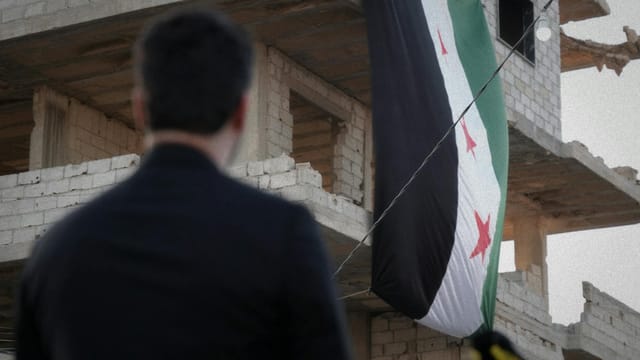
The Fog of Propaganda: Tehran’s Bold Claims and the Asymmetric War of Information
This analysis examines the massive discrepancy between Iranian and U.S. casualty reports following recent military clashes. It explores how Tehran uses 'information warfare' to challenge American military dominance and influence U.S. domestic politics ahead of elections.