
# Energy%20Transition
Latest news and articles about Energy%20Transition
Total: 16 articles found
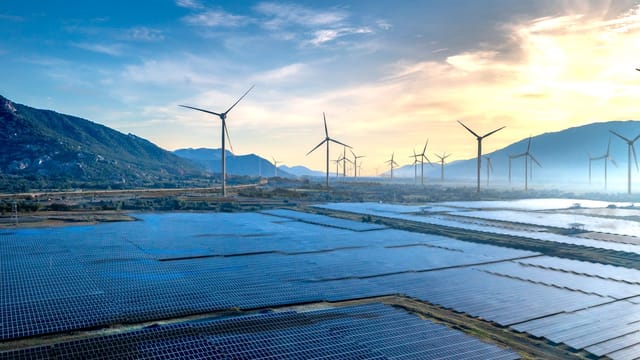
Chinese and British Industry Experts Discuss Coal Power Phase-Down in Shanxi
A bilateral exchange in Taiyuan explored transition pathways from coal reliance toward clean power systems.
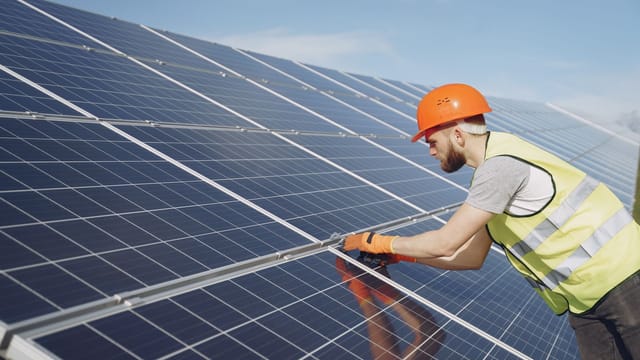
Frontline Energy Workers Detail Robotics and Digital Shift at Beijing Briefing
Engineers and technicians demonstrate how practical field expertise is being converted into data models to support China's grid reliability.
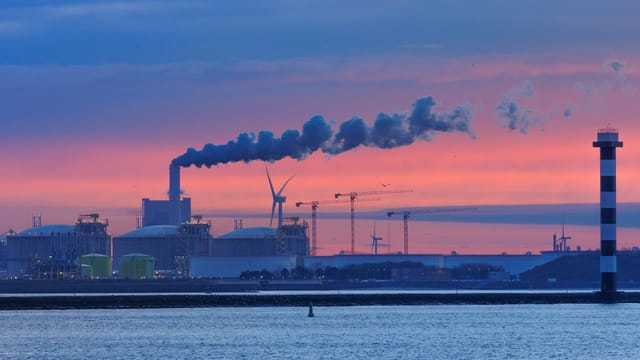
China Issues Carbon Quota Allocation Rules for Power and Heavy Industry
The Ministry of Ecology and Environment outlines allowance schemes for power generation, steel, cement, and aluminum smelting.
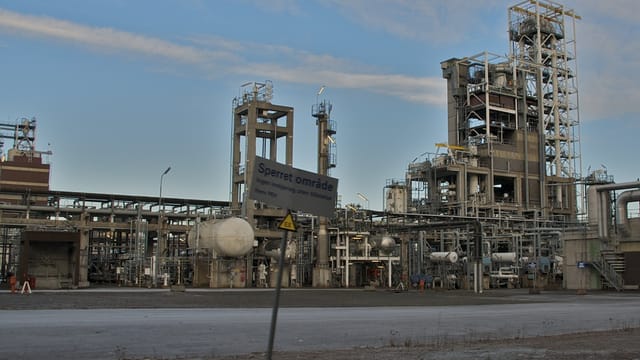
Ningbo Petrochemical Hub Pivots from Fuel to High-End Materials
Facing peak fuel demand, the coastal refining base shifts output toward medical-grade polymers and specialized plastics.

China Urges Asia-Pacific Green Transition at APEC Energy Ministerial
Vice Premier Ding Xuexiang proposed joint research on digital grids and energy storage while emphasizing supply chain stability.
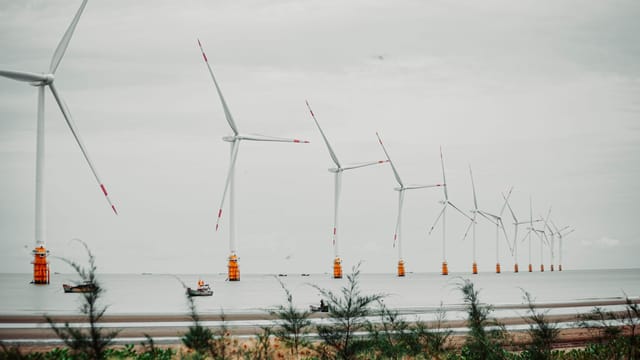
China Connects 16-Megawatt Tension-Leg Floating Wind Turbine to Offshore Grid
The Haiyou Anlan platform marks China's first operational tension-leg floating wind project, supplying power to a South China Sea oilfield.
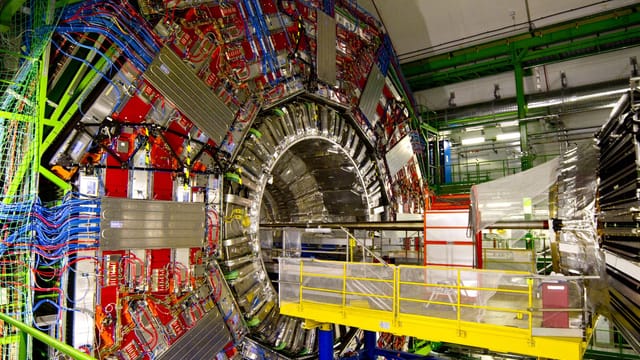
China Advances Controlled Nuclear Fusion Program Toward Burning Plasma Phase
State laboratories and private entrants advance tokamak and compact reactor facilities, targeting burning plasma experiments by 2027.
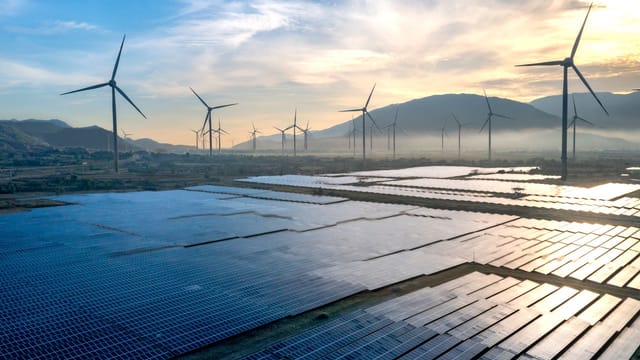
Chinese and Global Experts Highlight Geothermal Energy Cooperation in Shanxi
An international geothermal forum in northern China highlights cross-border collaboration as a pivotal lever for advancing clean baseload power and industrial decarbonization.

China Unveils 2026-2030 Strategy for Digital and Green Dual Transformation
A joint ministerial plan requires computing facilities to match regional green power quotas as AI and digital infrastructure expand.

China Expands EV Highway Network as Service Area Charger Count Reaches 85,400
Charging infrastructure now covers over 98 percent of highway service areas as vehicle-grid integration advances.
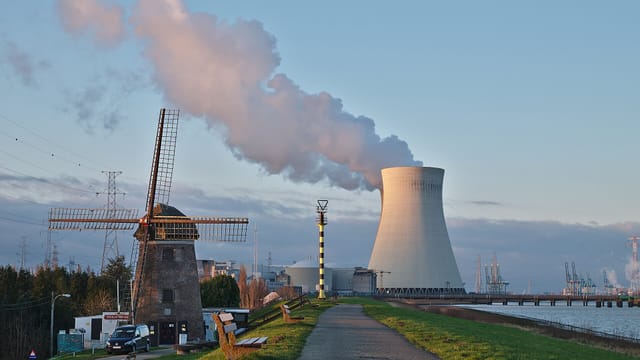
Tianwan Nuclear Power Plant Unit 7 Begins Initial Fuel Loading in East China
The Russian-designed VVER-1200 reactor enters nuclear commissioning ahead of its planned 2026 commercial startup.

China Connects Green Power to AI Hubs as Computing Electricity Surges
Computing centers are projected to consume 800 billion kilowatt-hours by 2030, prompting direct green power integration.