
# Ministry of Finance
Latest news and articles about Ministry of Finance
Total: 11 articles found

China’s Government Procurement Exceeded 3.32 Trillion Yuan in 2025
Official figures show construction projects and services made up more than three-quarters of total fiscal procurement spending.

China Punishes Officials in Drive Against Falsified Local Debt Reduction
Joint disciplinary and finance notices target shadow borrowing and paper-only resolution across multiple provinces.

China Unveils 2030 Roadmap to Upgrade Agricultural Insurance Framework
A joint plan led by the Ministry of Finance aims to expand coverage, support specialty farming, and improve catastrophe risk mechanisms.

China to Inject 35 Billion Yuan into State-Owned China Life Insurance
Capital funded through special treasury bonds aims to bolster the flagship insurer's underwriting capacity and solvency.

China's Finance Ministry to Inject 35 Billion Yuan into China Life Group
The state capital injection aims to bolster the insurer's risk resilience, corporate governance, and focus on core operations.

China's Finance Ministry Pledges Countercyclical Adjustments and Budget Reform
A symposium in Hefei outlines plans to expand fiscal scientific management, resolve debt risks, and deepen zero-based budgeting.

China to Issue 300 Billion Yuan in Special Bonds for Top Financial Firms
The Ministry of Finance will bolster core Tier-1 capital across eight state-owned institutions, spanning major lenders and national insurers.

China’s Trade-In Subsidies Drive 1.32 Trillion Yuan in Consumer Sales
The Ministry of Finance reports trade-in funds reached 178 million transactions, alongside accelerated bond quotas and business credit relief.
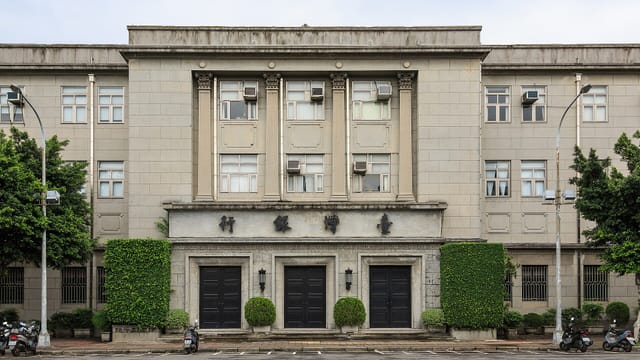
China to Issue 300 Billion Yuan in Special Sovereign Debt for State Financial Institutions
Capital injections will bolster core tier-1 reserves across eight major state banks and insurers, according to official reports.

China Allocates 187.5 Billion Yuan in Trade-In Subsidies to Boost Consumption
Fiscal initiatives drive 1.32 trillion yuan in sales and benefit 178 million consumers as Beijing steps up demand-side support.

China Prepares New Fiscal-Monetary Measures to Spur Domestic Demand
The Ministry of Finance plans further coordination with the central bank after expanding interest subsidies for consumer credit and small business loans.